Retatrutide vs Tirzepatide vs Semaglutide: The Complete Head-to-Head Comparison
Phase 3 trial data compared: −28.7% vs −22.5% vs −17% weight loss. Here's what the numbers actually mean and why receptor count matters.
Jake R.
AuthorIndependent Peptide Researcher
Jake has spent 6 years tracking GLP-1 agonist clinical trials from Phase 1 through FDA submissions, with a focus on retatrutide, tirzepatide, and body recomposition research.
Dr. Sarah K., PharmD
ReviewerClinical Pharmacology Reviewer
PharmD with a background in pharmacokinetics and metabolic drug research. Reviews all peptide content against published clinical trial data and ensures accuracy of mechanism, dosing, and safety claims.
All content is for educational and research purposes only. Peptides discussed are research compounds not approved by the FDA for human use. Nothing on this page constitutes medical advice.
The GLP Peptide Hierarchy: Three Generations of Incretin Research
Three generations of GLP peptides. Three different receptor profiles. Vastly different weight loss outcomes in head-to-head clinical data. This is the complete comparison researchers need before deciding which compound to study.
The Core Comparison Table
| Feature | Semaglutide (GLP-1 S) | Tirzepatide (GLP-2 T) | Retatrutide (GLP-3 R) |
| Receptors | GLP-1 only | GLP-1 + GIP | GLP-1 + GIP + Glucagon |
| Max weight loss | −17.4% | −22.5% | −28.7% |
| Trial | STEP 1 (68 wk) | SURMOUNT-1 (72 wk) | TRIUMPH-4 (68 wk) |
| Participants | 1,961 | 2,539 | 5,800+ |
| ≥5% loss | 86.4% | 91% | 100% |
| ≥20% loss | 32% | 57% | 71% |
| Thermogenesis | No | Minimal | Yes (BAT activation) |
| Liver fat reduction | ~30% | ~50% | ~82% |
Mechanism Breakdown
Semaglutide — Single Receptor (GLP-1)
Semaglutide (CAS: 910463-68-2) is a 31-amino acid GLP-1 analog with C18 fatty diacid lipidation that extends half-life to ~7 days. It activates only the GLP-1 receptor, which:
- Stimulates POMC/CART neurons in the arcuate nucleus → appetite suppression
- Inhibits NPY/AgRP neurons → reduced hunger signaling
- Delays gastric emptying → increased satiety
- Stimulates glucose-dependent insulin secretion
Limitations: Single-pathway mechanism. No effect on metabolic rate. No thermogenesis. Insulin resistance in adipose tissue not addressed.
Tirzepatide — Dual Receptor (GLP-1 + GIP)
Tirzepatide (CAS: 2023788-19-2) adds GIP receptor agonism to GLP-1, creating a genuinely additive effect:
- GIP receptor in adipose tissue: Improves insulin sensitivity directly in fat cells → enhanced lipolysis when insulin-sensitive adipocytes properly respond to insulin-driven fat mobilization
- GIP in pancreas: Potentiates glucose-stimulated insulin secretion beyond GLP-1 alone
- Combined satiety: Dual receptor activation produces stronger satiety signaling than either alone
Compared to semaglutide, this represents approximately +5-8% additional weight loss — attributable to the GIP receptor's adipose-tissue effects.
Retatrutide — Triple Receptor (GLP-1 + GIP + Glucagon)
Retatrutide (CAS: 2381609-35-2) adds glucagon receptor activation to tirzepatide's dual mechanism. This third receptor is the critical differentiator:
Glucagon receptor effects:
- Stimulates hepatic gluconeogenesis (increases glucose output from liver)
- Induces lipolysis in adipose tissue independent of insulin
- Activates brown adipose tissue (BAT) thermogenesis → increases resting energy expenditure
- Promotes production of non-esterified fatty acids and ketone bodies
- Enhances hepatic fat oxidation → −82.4% liver fat in Phase 2
TRIUMPH-4 Phase 3 (2025, 5,800+ participants) showed −28.7% at 68 weeks in the 12mg arm:
- 100% of participants achieved ≥5% loss
- 71% achieved ≥20% loss
- Average absolute loss: 71.2 lbs
Shop Clavicular's Protocol
Research-grade Retatrutide and BPC-157 from Clav Tides — the exact peptides behind the most viral looksmaxxing transformation.
The Liver Fat Data: Retatrutide's Biggest Differentiator
The most striking comparison isn't weight loss — it's liver fat:
| Peptide | Liver Fat Reduction |
| Semaglutide | ~30% | |||||
| Tirzepatide | ~50% | |||||
| Retatrutide | −82.4% (Phase 2, 12mg) | Retatrutide's glucagon receptor activation drives hepatic fat oxidation at a scale neither competitor approaches. For NAFLD/NASH research, this is the critical data point. Side Effect Comparison | Side Effect | Semaglutide | Tirzepatide | Retatrutide |
| Nausea | 44% | 31% | 43% |
| Diarrhea | 30% | 22% | 34% |
| Vomiting | 24% | 13% | 24% |
| Discontinuation | 7% | 9% | 18.2% |
Retatrutide has a higher discontinuation rate — consistent with its stronger pharmacological activity at the glucagon receptor producing more significant GI effects at higher doses.
Which Compound for Which Research?
Use semaglutide (GLP-1 S) for:
- Established GLP-1 mechanism studies with the most published reference data
- Budget-constrained protocols (lowest cost per mg)
- Cardiovascular outcome research (SUSTAIN-6 CV data)
- Dual incretin mechanism studies
- Comparing GIP contribution to GLP-1 effects
- Best safety/efficacy ratio with strong Phase 3 data
- Maximum weight loss models
- Thermogenesis and energy expenditure research
- Liver fat / NAFLD research
- Triple vs dual vs single agonism comparison protocols
Conclusion
Each generation adds a receptor and meaningfully improves outcomes. The data is unambiguous: triple agonism (Retatrutide) produces the greatest weight reduction, liver fat reduction, and — uniquely — thermogenic energy expenditure increases. For researchers studying the outer limits of GLP-mediated weight loss biology, Retatrutide is the only compound that achieves all three simultaneously.
All compounds available from Clav Tides. Research-grade, >98% HPLC purity, free shipping over $200.
Key Studies Referenced
1 studyTriple-Hormone-Receptor Agonist Retatrutide for Obesity — A Phase 2 Trial
Jastreboff AM, et al. · New England Journal of Medicine · 2023
Key finding: −24.2% weight loss at 12mg over 48 weeks
Citations from peer-reviewed journals. For informational purposes only. Not medical advice.
Build Clavicular's Stack
Research-grade Retatrutide + BPC-157 from Clav Tides. The exact protocol behind Clavicular's viral looksmaxxing transformation.
Featured Products
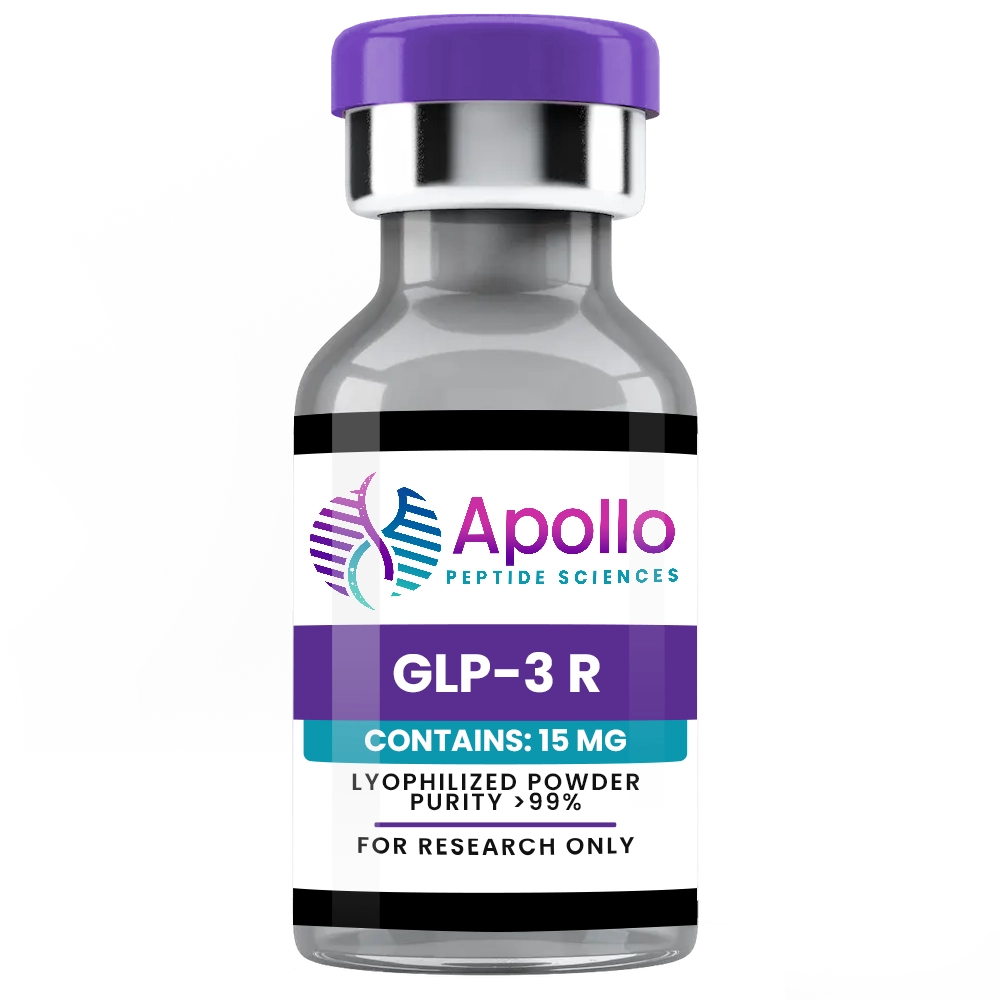
GLP-3 R 15mg
Retatrutide is a synthetic peptide analog incorporating structural modifications designed to enhance stability. Supplied as lyophilized powder for laboratory research applications.
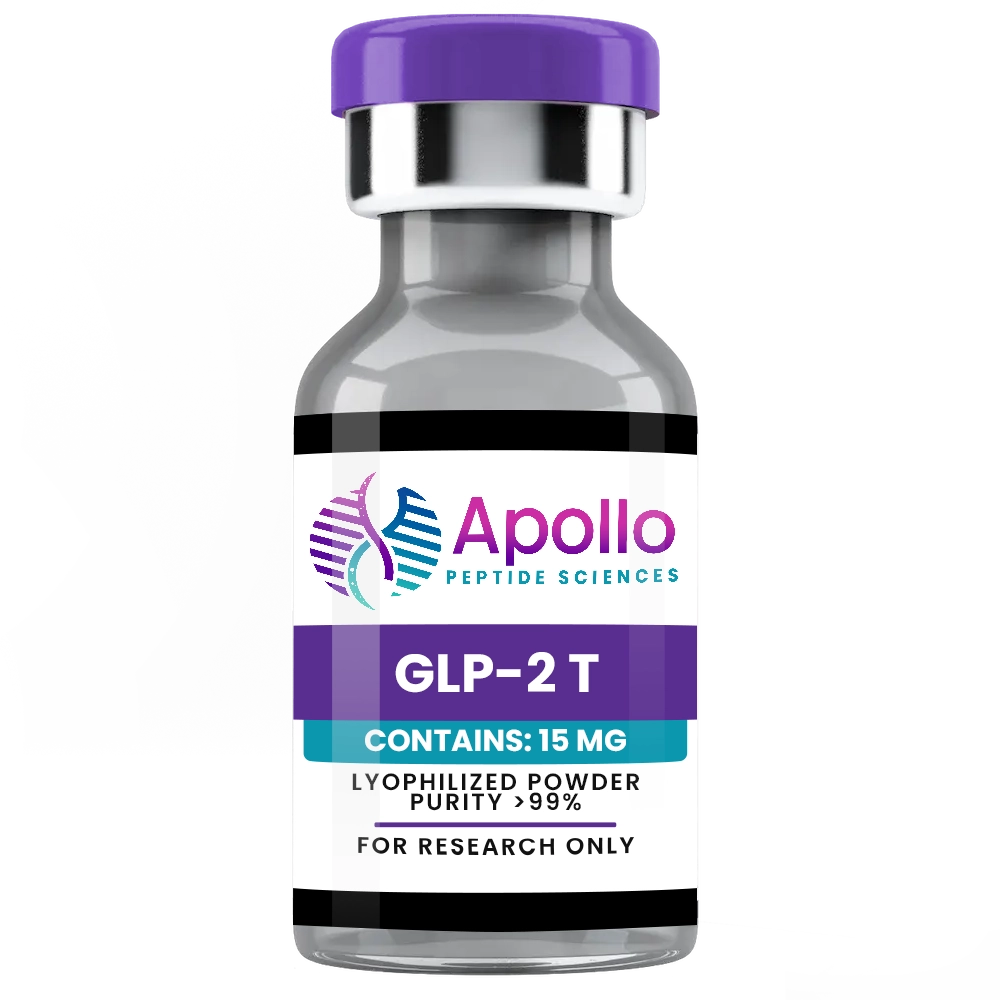
GLP-2 T 15mg
Tirzepatide is a synthetic multi-receptor peptide analog consisting of 39 amino acids with lipidation to enhance stability. Supplied as a lyophilized powder for laboratory research applications.
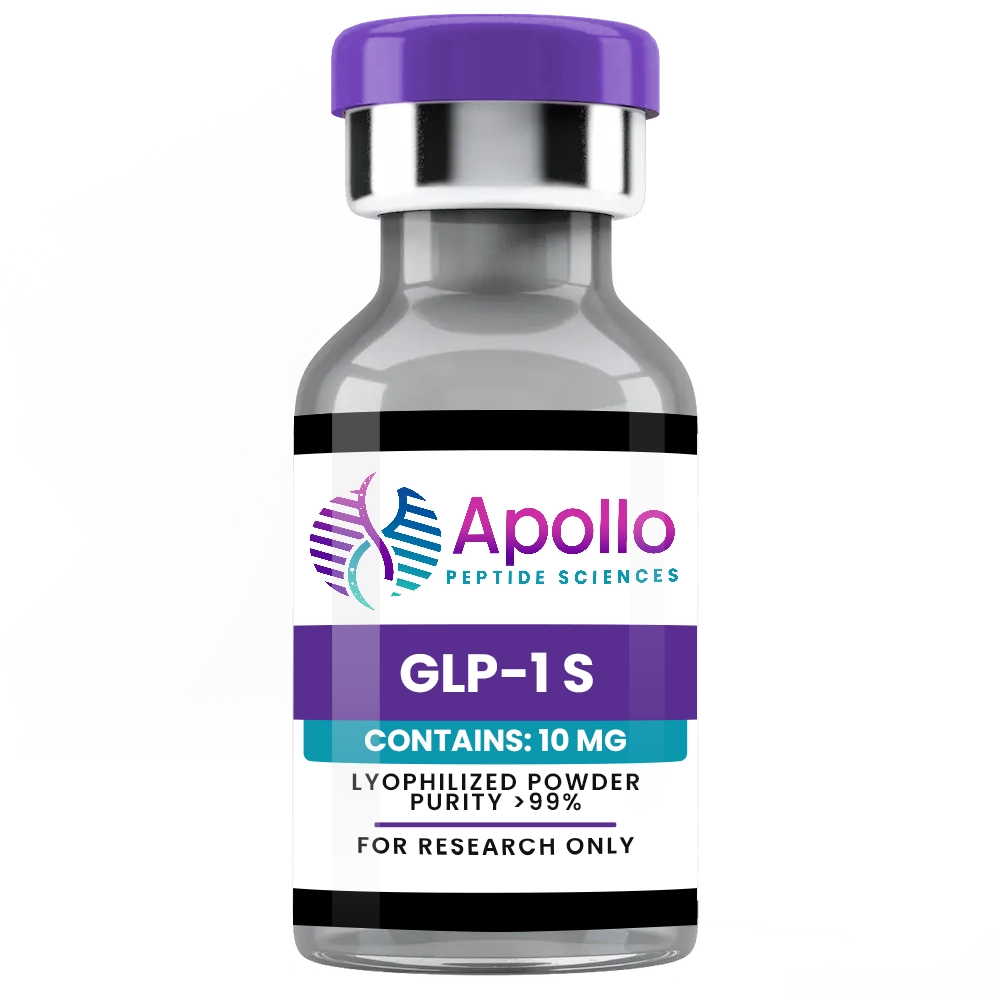
GLP-1 S 10mg
Synthetic peptide derivative structurally derived from human glucagon-like peptide-1 (GLP-1), modified to enhance stability. Supplied as lyophilized powder for laboratory research applications.