Weight Loss Peptides
Research peptides studied for their effects on appetite regulation, metabolic rate, and body composition.
How It Works
Molecular mechanisms behind weight loss peptides research
GLP-1R Appetite Suppression
GLP-1 receptor agonists activate hypothalamic POMC/CART neurons and area postrema GLP-1 receptors — suppressing appetite, slowing gastric emptying, and extending satiety. This is the shared mechanism across semaglutide, tirzepatide, and Retatrutide.
Glucagon Receptor Fat Oxidation
Retatrutide's unique glucagon receptor engagement drives hepatic beta-oxidation — the liver burns stored fat directly, independent of appetite. GcgR activation in brown adipose tissue also increases thermogenesis. This is why Retatrutide's Phase 2 data (-28.7%) far exceeds single or dual agonists.
GIP Receptor Insulin Sensitization
GIP receptor agonism enhances peripheral insulin sensitivity and drives direct adipocyte lipid metabolism effects. In combination with GLP-1, GIP synergistically potentiates GLP-1 receptor signaling — explaining why dual and triple agonists outperform GLP-1 alone.
Weight Loss Peptides: A Research Overview
GLP-1 receptor agonists represent one of the most significant advances in metabolic research. These peptides mimic the incretin hormone glucagon-like peptide-1, which plays a crucial role in glucose homeostasis and appetite regulation.
Mechanism of Action
GLP-1 receptor agonists work by binding to GLP-1 receptors in the pancreas and brain. In the pancreas, they stimulate insulin secretion and suppress glucagon release in a glucose-dependent manner. In the hypothalamus, they activate satiety centers, reducing appetite and food intake.
Key Peptides in This Category
Semaglutide (GLP-1 S) Semaglutide is a synthetic GLP-1 analog with a C18 fatty diacid side chain that enables albumin binding, extending its half-life significantly. Research has demonstrated its efficacy in reducing body weight by 15-17% in clinical trials (STEP trials). It acts primarily through GLP-1 receptor activation.
Tirzepatide (GLP-2 T) Tirzepatide is a dual GIP/GLP-1 receptor agonist — the first of its kind. By activating both incretin receptors, it produces enhanced metabolic effects compared to selective GLP-1 agonists alone. The SURMOUNT clinical trials demonstrated weight reductions of up to 22.5% from baseline. Its 39-amino acid structure includes a C20 fatty diacid modification for extended duration of action.
Retatrutide (GLP-3 R) Retatrutide is a triple hormone receptor agonist targeting GIP, GLP-1, and glucagon receptors simultaneously. This novel triple-agonist approach addresses multiple metabolic pathways. Phase 2 trial data showed unprecedented weight loss of up to 24% at 48 weeks. The glucagon receptor component may provide additional benefits through increased energy expenditure and hepatic lipid metabolism.
Research Applications
- Metabolic syndrome studies
- Appetite regulation mechanisms
- Glucose homeostasis research
- Body composition analysis
- Cardiovascular outcome studies
Comparative Analysis
| Peptide | Receptor Targets | Mechanism | Research Weight Loss |
| Semaglutide | GLP-1 | Single agonist | ~15-17% |
| Tirzepatide | GIP + GLP-1 | Dual agonist | ~20-22.5% |
| Retatrutide | GIP + GLP-1 + Glucagon | Triple agonist | ~24% |
Key Research
Published studies underpinning weight loss peptides
Jastreboff A.M. et al.
Retatrutide (triple GLP-1/GIP/Glucagon agonist) Phase 2 trial: mean -28.7% body weight at 48 weeks at 8mg dose — largest Phase 2 weight loss result ever recorded for a GLP compound.
Wilding J.P.H. et al. (STEP 1)
Semaglutide 2.4mg achieved -14.9% mean body weight at 68 weeks vs. -2.4% placebo in 1,961 adults with obesity — establishing the first GLP-1 agonist as a major obesity treatment.
Jastreboff A.M. et al. (SURMOUNT-1)
Tirzepatide (dual GLP-1/GIP) achieved -20.9% mean body weight at 72 weeks at 15mg — surpassing semaglutide and validating dual incretin receptor engagement as superior to GLP-1 alone.
Research Protocols
Suggested compound combinations for weight loss peptides research
Clavicular Core Stack
Triple-agonist fat loss + GI protection + skin remodeling. The Clavicular Stack design: Retatrutide burns fat via 3 pathways; BPC-157 protects against GLP GI effects; GHK-Cu delivers the GLOW outcome.
Budget Entry Stack
Tirzepatide (dual GLP-1/GIP) at -20.9% Phase 3 weight loss paired with BPC-157 for GI protection. The best-value starting point for GLP research before escalating to triple-agonist Retatrutide.
Research-Grade Weight Loss Peptides
>98% purity, third-party tested. Free shipping on orders over $200.
Weight Loss Peptides — Available Products
Research-grade compounds from Clav Tides. >98% purity, CoA on request.
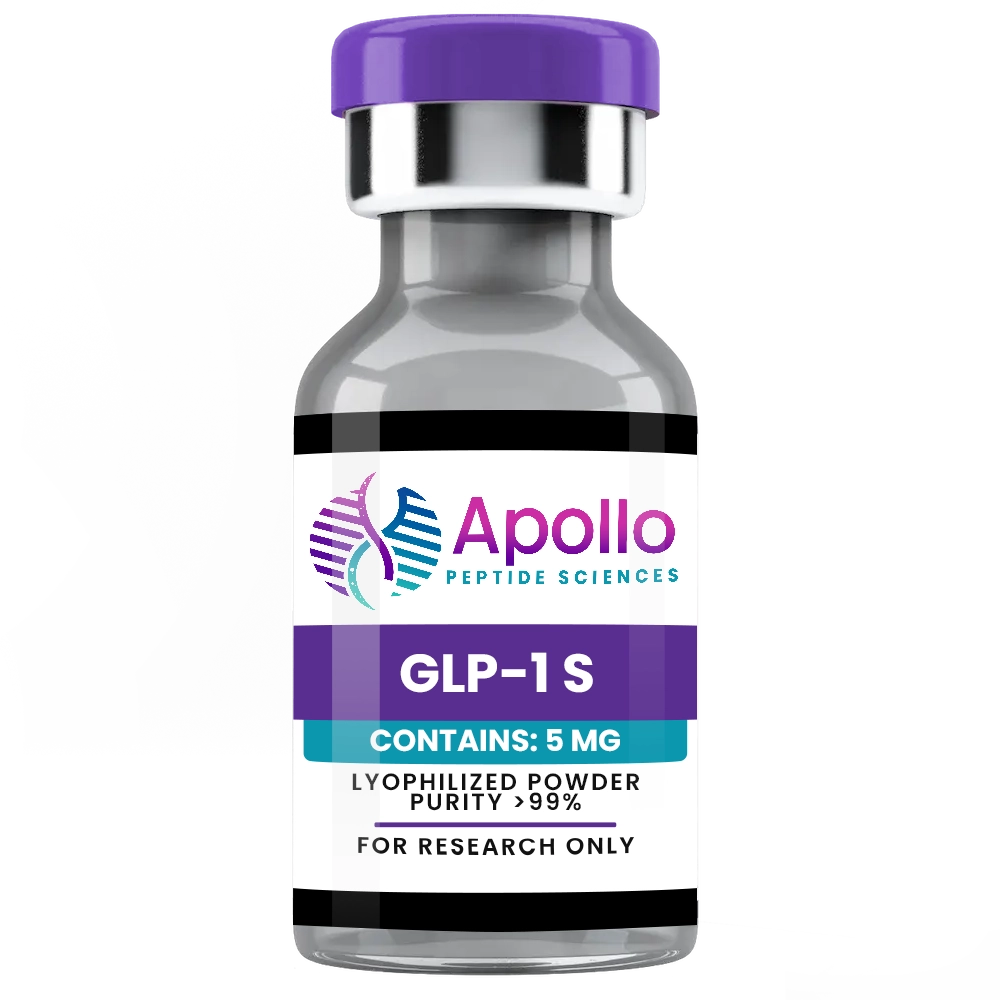
GLP-1 S 5mg
Synthetic peptide derivative structurally derived from human glucagon-like peptide-1 (GLP-1), modified to enhance stability. Supplied as lyophilized powder for laboratory research applications.
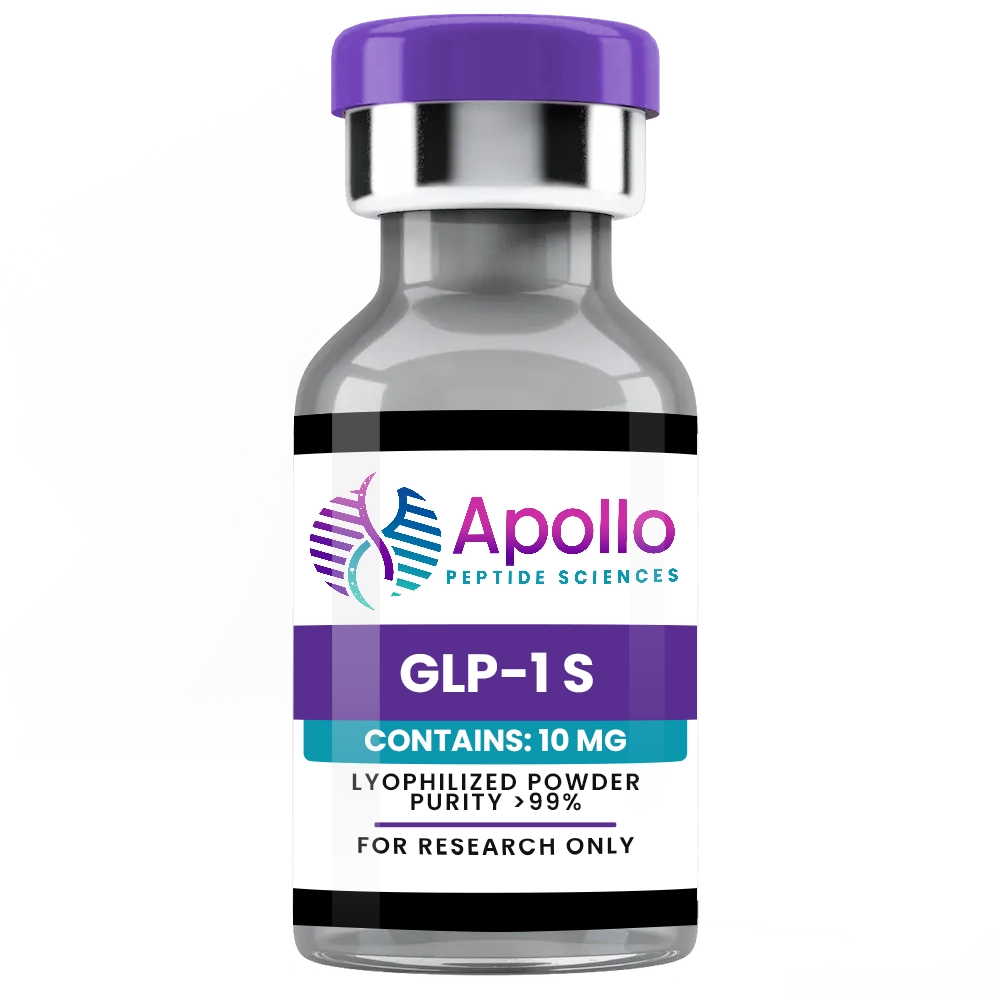
GLP-1 S 10mg
Synthetic peptide derivative structurally derived from human glucagon-like peptide-1 (GLP-1), modified to enhance stability. Supplied as lyophilized powder for laboratory research applications.
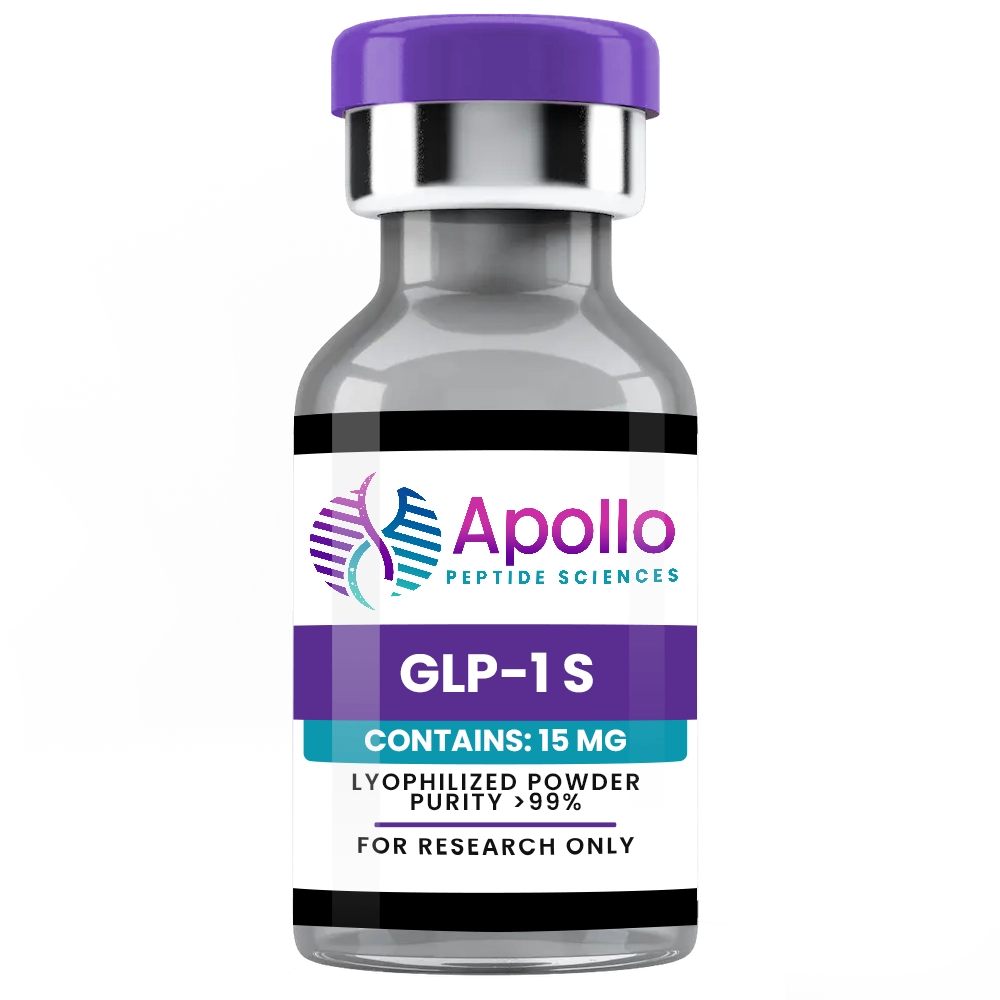
GLP-1 S 15mg
Synthetic peptide derivative structurally derived from human glucagon-like peptide-1 (GLP-1), modified to enhance stability. Supplied as lyophilized powder for laboratory research applications.
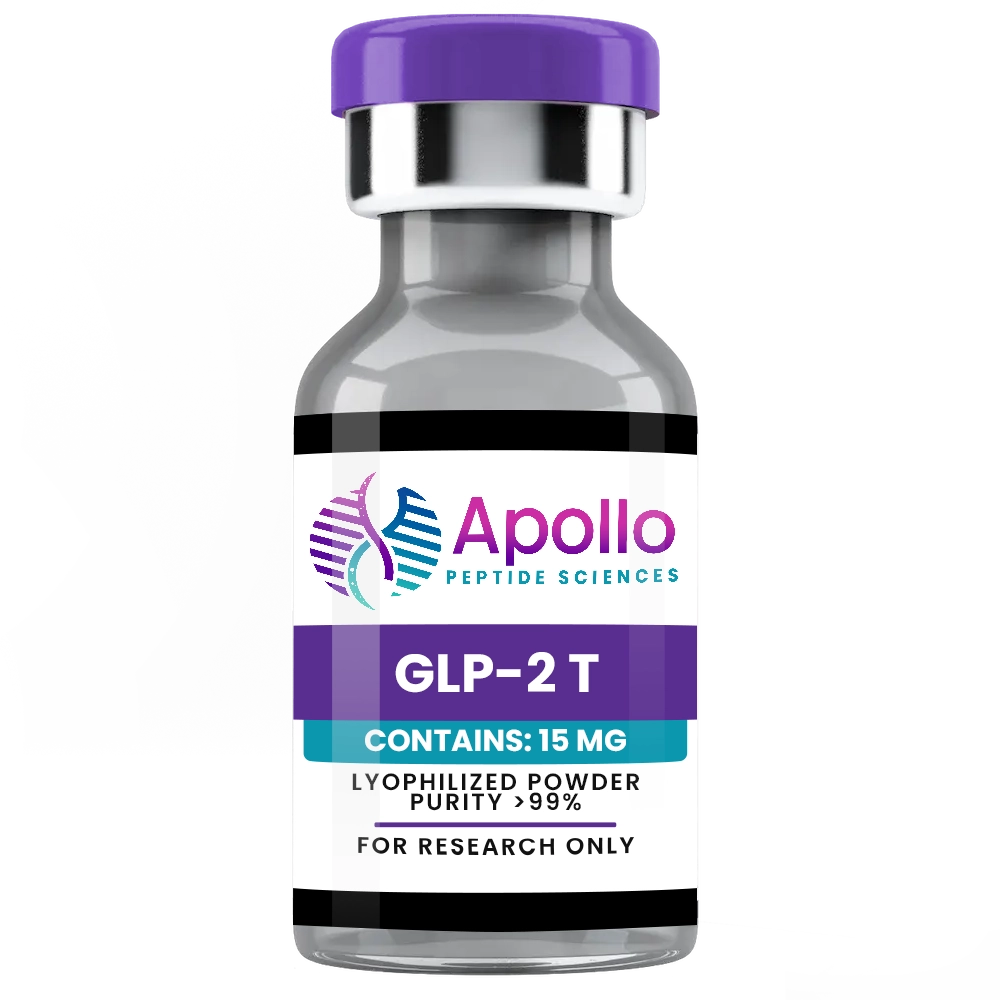
GLP-2 T 15mg
Tirzepatide is a synthetic multi-receptor peptide analog consisting of 39 amino acids with lipidation to enhance stability. Supplied as a lyophilized powder for laboratory research applications.
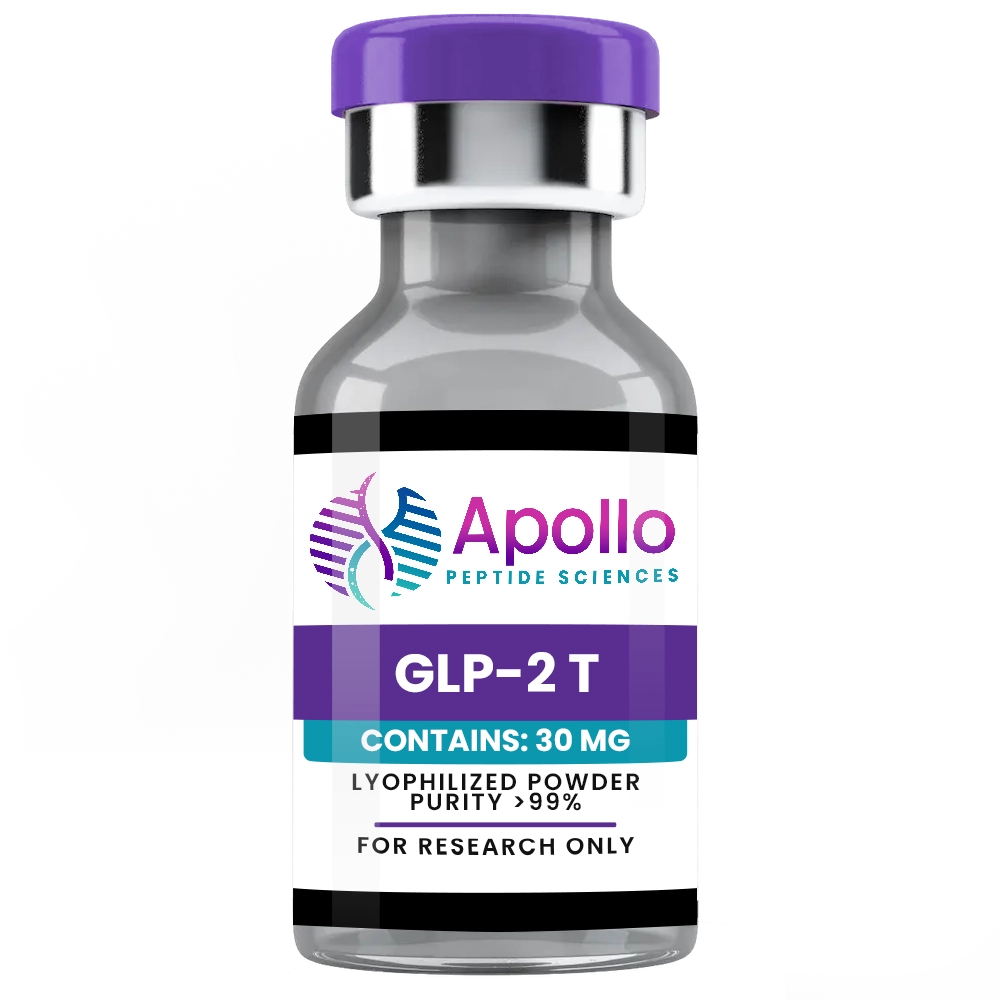
GLP-2 T 30mg
Tirzepatide is a synthetic multi-receptor peptide analog consisting of 39 amino acids with lipidation to enhance stability. Supplied as a lyophilized powder for laboratory research applications.
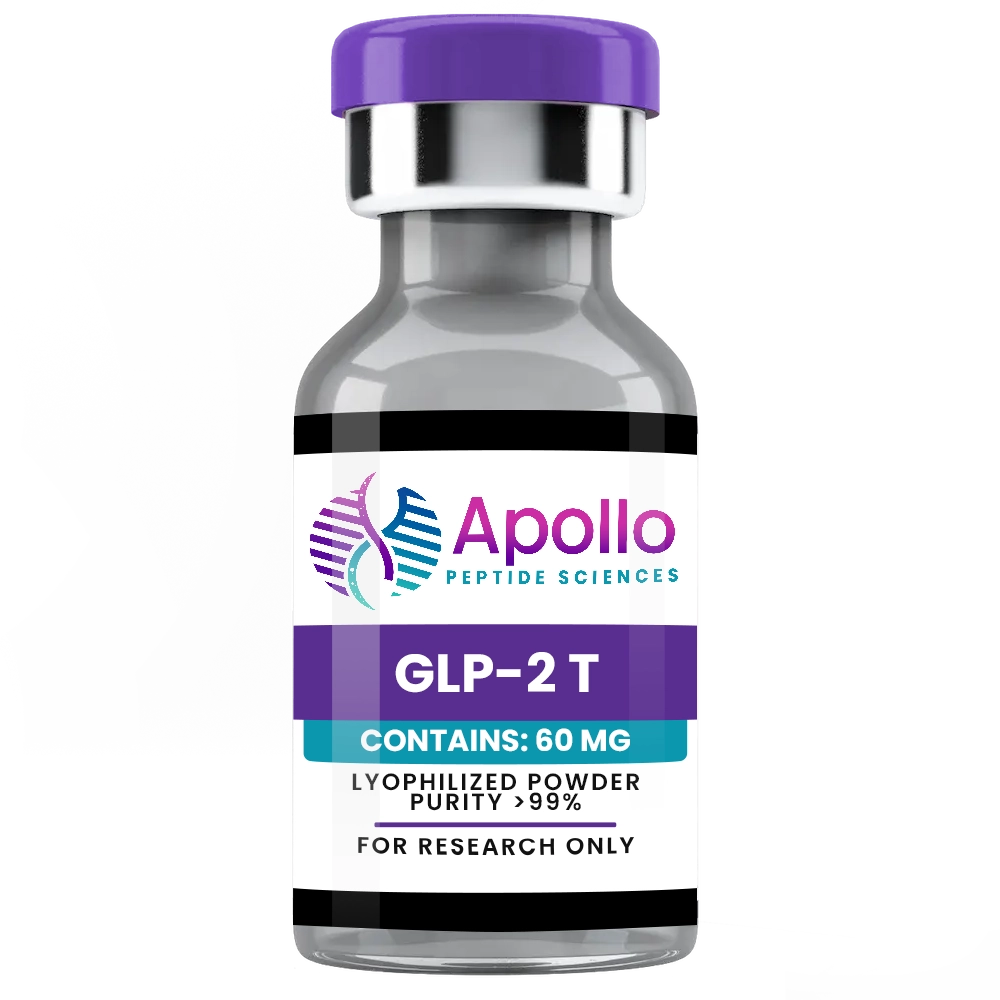
GLP-2 T 60mg
Tirzepatide is a synthetic multi-receptor peptide analog consisting of 39 amino acids with lipidation to enhance stability. Supplied as a lyophilized powder for laboratory research applications.
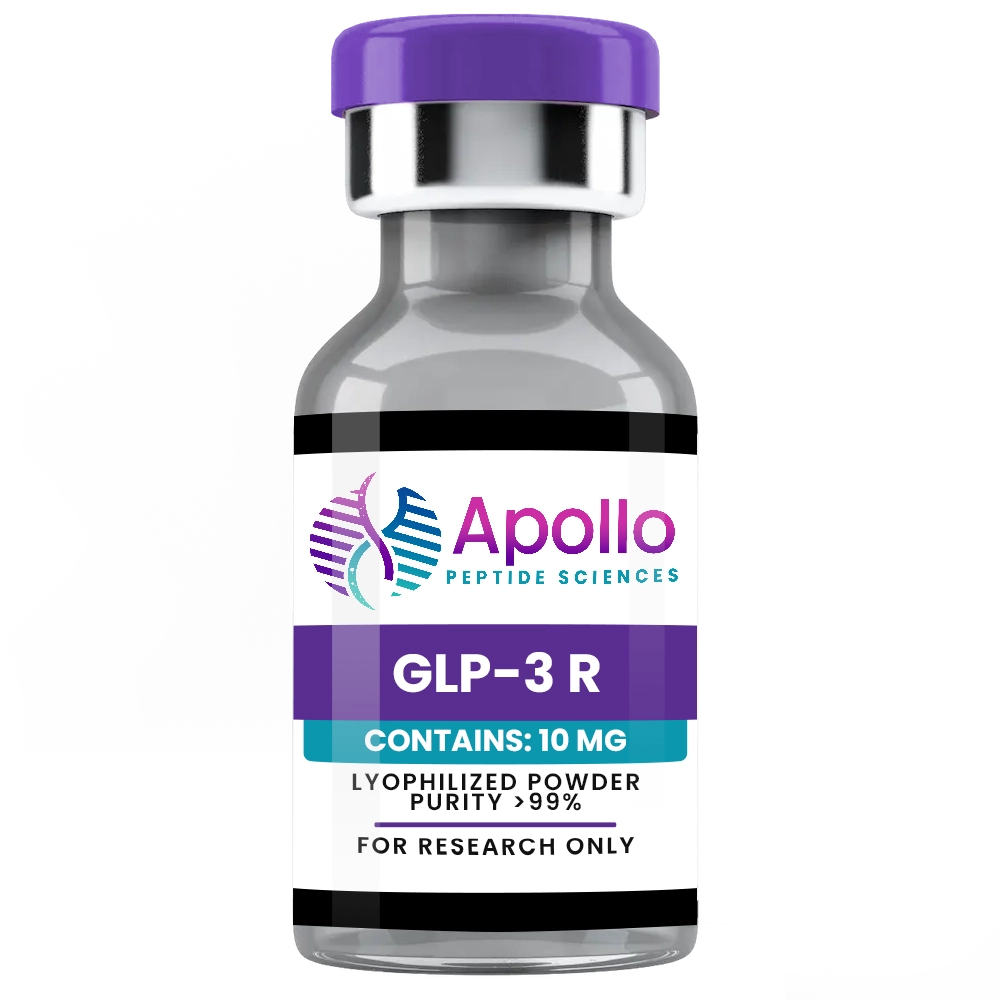
GLP-3 R 10mg
Retatrutide is a synthetic peptide analog incorporating structural modifications designed to enhance stability. Supplied as lyophilized powder for laboratory research applications.
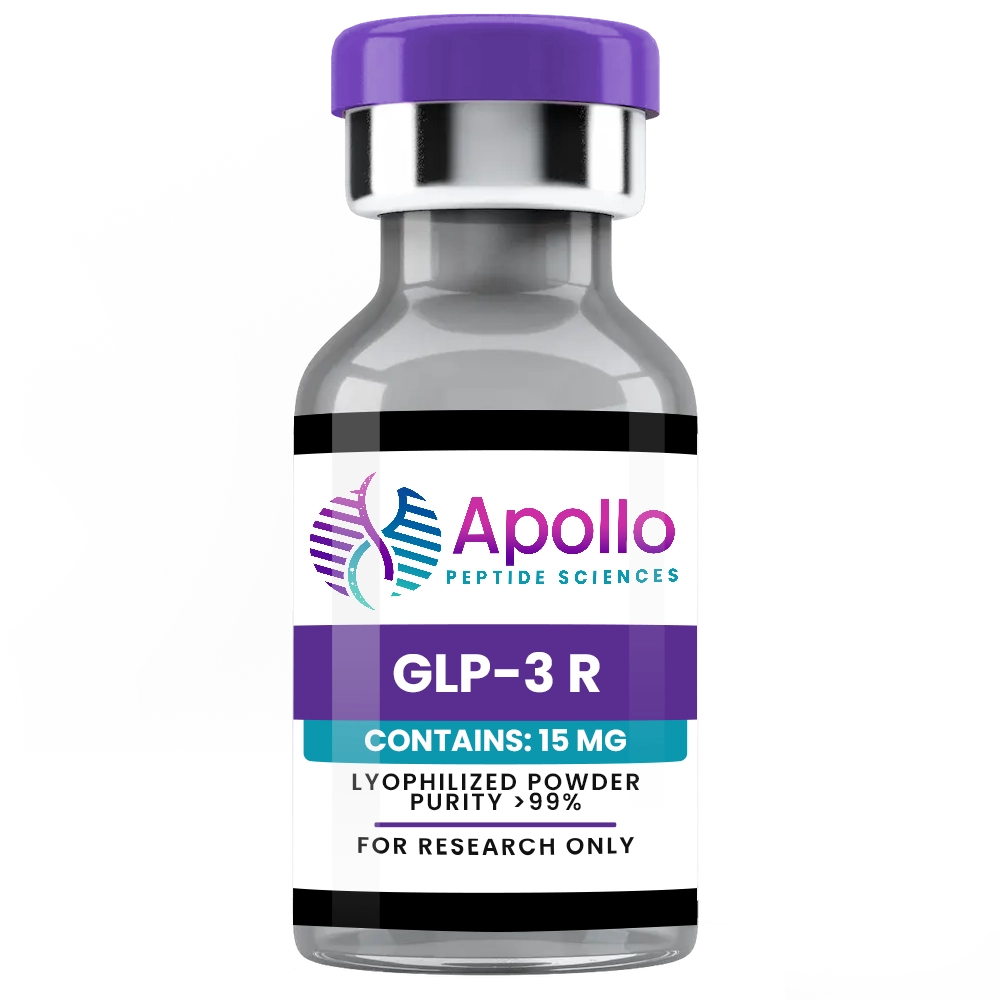
GLP-3 R 15mg
Retatrutide is a synthetic peptide analog incorporating structural modifications designed to enhance stability. Supplied as lyophilized powder for laboratory research applications.
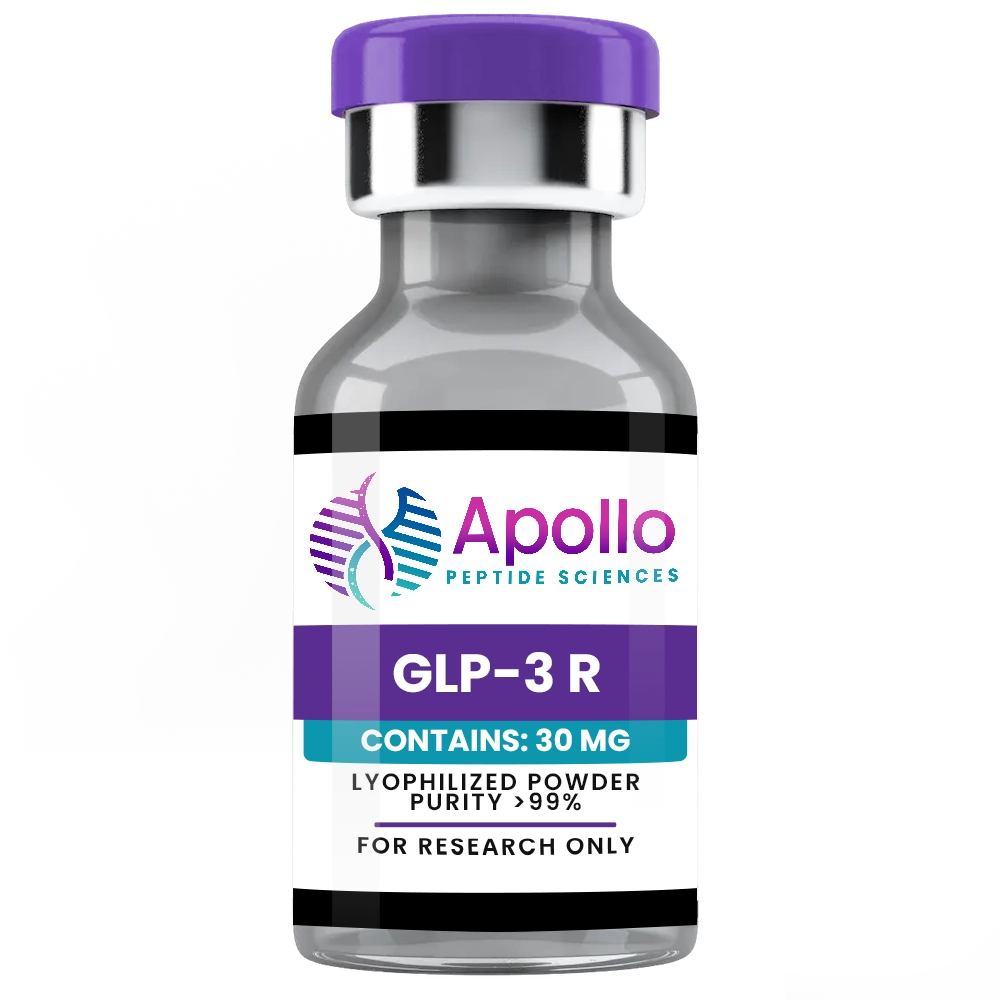
GLP-3 R 30mg
Retatrutide is a synthetic peptide analog incorporating structural modifications designed to enhance stability. Supplied as lyophilized powder for laboratory research applications.
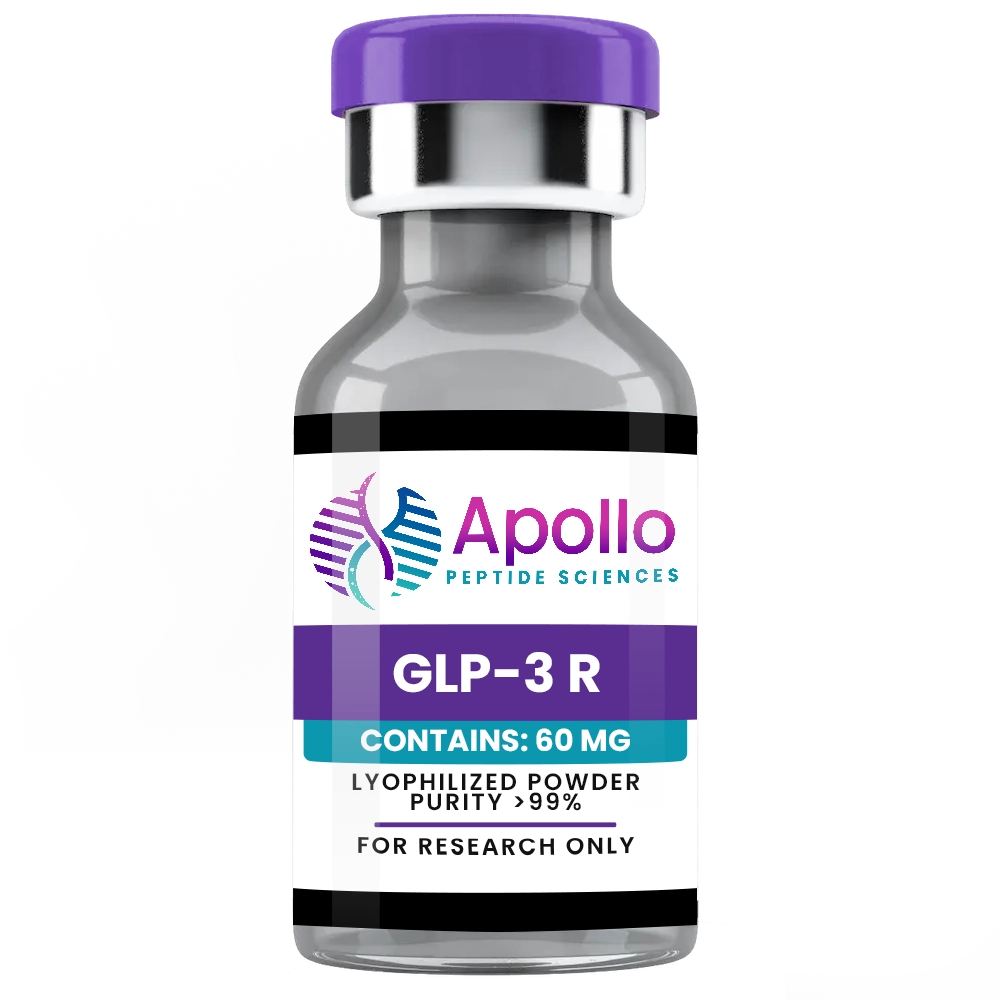
GLP-3 R 60mg
Retatrutide is a synthetic peptide analog incorporating structural modifications designed to enhance stability. Supplied as lyophilized powder for laboratory research applications.
Research Guides
Deep-dive guides for weight loss peptides compounds
Guide
What Are Peptides? Complete Beginner's Guide
Everything you need to know about research peptides — from basic chemistry to modern applications in scientific research.
Read guideGuide
How to Reconstitute Peptides: Step-by-Step Guide
A detailed guide on properly reconstituting lyophilized research peptides with bacteriostatic water for laboratory use.
Read guideGuide
Peptide Storage Guide: How to Store Research Peptides
Learn the proper storage conditions for lyophilized and reconstituted research peptides to maintain stability and potency.
Read guideRelated Research
Articles and breakdowns for weight loss peptides
12 min read
Retatrutide vs Tirzepatide vs Semaglutide: The Complete Head-to-Head Comparison
Phase 3 trial data compared: −28.7% vs −22.5% vs −17% weight loss. Here's what the numbers actually mean and why receptor count matters.
Read more22 min read
Best Peptides for Weight Loss in 2026
A comprehensive comparison of Semaglutide, Tirzepatide, and Retatrutide — the three leading GLP-1 receptor agonists being researched for metabolic and weight management applications.
Read more17 min read
Semaglutide vs Tirzepatide: Which Is Better?
A detailed comparison of Semaglutide (GLP-1 agonist) and Tirzepatide (dual GIP/GLP-1 agonist) based on clinical trial data and research findings.
Read moreLooking for Clavicular's Looksmaxxing Stack?
See which peptides Clavicular uses in his viral looksmaxxing transformation — Retatrutide, BPC-157, and more.
Frequently Asked Questions
What are GLP-1 receptor agonists?
GLP-1 receptor agonists are synthetic peptides that mimic the natural incretin hormone glucagon-like peptide-1. They bind to GLP-1 receptors in the pancreas and brain, affecting insulin secretion, glucagon suppression, and appetite regulation.
How does Tirzepatide differ from Semaglutide?
Tirzepatide is a dual GIP/GLP-1 receptor agonist, while Semaglutide targets only the GLP-1 receptor. This dual mechanism allows Tirzepatide to activate both incretin pathways simultaneously, which research suggests may produce enhanced metabolic effects.
What is Retatrutide?
Retatrutide is a novel triple hormone receptor agonist that targets GIP, GLP-1, and glucagon receptors simultaneously. It represents the latest generation of incretin-based peptides being studied for metabolic research applications.
What forms do these peptides come in?
Research peptides are typically supplied as lyophilized (freeze-dried) powder that must be reconstituted with bacteriostatic water before use in laboratory settings.
Shop Weight Loss Peptides
Research-grade weight loss peptides from Clav Tides. Third-party tested, >98% purity guaranteed.