Part of Clavicular's Looksmaxxing Stack
BPC-157 is the recovery peptide in Clavicular's stack. He pairs it with Retatrutide to support tissue repair and gut health during aggressive cutting protocols.
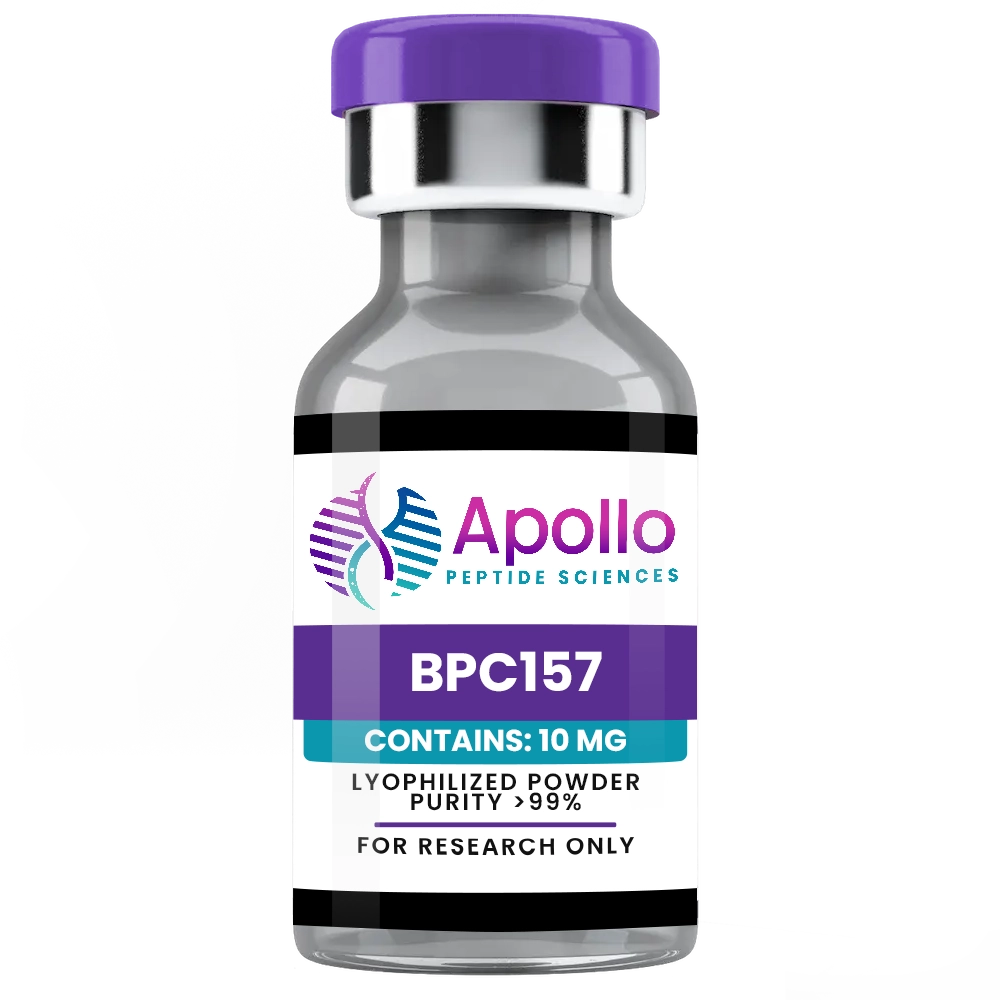
Research Specifications
- Sequence:
- GEPPPGKPADDAGLV (Gly-Glu-Pro-Pro-Pro-Gly-Lys-Pro-Ala-Asp-Asp-Ala-Gly-Leu-Val)
- Molecular Weight:
- 1419.53 Da
- CAS Number:
- 137525-51-0
- Form:
- Lyophilized powder
- Purity:
- ≥98% (HPLC verified)
- Storage:
- −20°C long-term / 4°C short-term (up to 4 weeks)
- Reconstitution:
- Bacteriostatic water (0.9% benzyl alcohol)
BPC157 10mg
The cytoprotective pentadecapeptide. 36+ published studies on tissue repair, gut healing, and anti-inflammatory signaling.
Featured in Clavicular's looksmaxxing protocol
36+
Published Studies
PubMed indexed
15
Amino Acids
Pentadecapeptide
1419 Da
Molecular Weight
NCBI PubChem
Why Clavicular Uses This Peptide
BPC-157 is the recovery peptide in Clavicular's stack. He pairs it with Retatrutide to support tissue repair and gut health during aggressive cutting protocols.
See Clavicular's complete looksmaxxing stack →Cytoprotection via Multi-Pathway Activation
BPC-157 (Body Protection Compound-157) is a synthetic 15-amino-acid peptide derived from gastric juice protein BPC. It activates VEGFR2 to drive angiogenesis, upregulates FAK-paxillin signaling for cell migration and tissue repair, and stimulates nitric oxide production for vasodilation. It also directly modulates the dopamine and serotonin systems and exerts anti-inflammatory effects by downregulating NF-κB.
Research Highlights
Gut & GI Cytoprotection
In rodent models, BPC-157 prevented and reversed NSAID-induced gastric lesions, improved intestinal anastomosis healing, and reduced intestinal permeability ('leaky gut') markers — primarily through nitric oxide synthase upregulation and tight junction protein restoration.
Tendon & Connective Tissue Repair
Studies in transected Achilles tendon models showed BPC-157 accelerated both the early inflammatory phase and the remodeling phase of tendon repair, with VEGFR2-mediated angiogenesis cited as a primary mechanism.
GI Adaptation During GLP-1 Research
BPC-157 is frequently co-administered with GLP-1/dual/triple agonist peptides in research protocols to counteract the GI side effects (nausea, delayed gastric emptying) that emerge during dose titration — consistent with its gastroprotective mechanism.
Research FAQ
What is BPC-157 used for in research?
Why is BPC-157 stacked with Retatrutide?
What is the research dosing context for BPC-157?
How should BPC-157 be stored?
Research Use Only. This product is intended for in-vitro laboratory research only. Not for human consumption, injection, or therapeutic use. Not medical advice. Always consult applicable regulations in your jurisdiction.
Price Comparison
| Supplier | Purity | Price | Shipping |
|---|---|---|---|
| Apollo (via ClavTides) | >98% HPLC | $59.99 | Free over $200 |
| Generic Research Suppliers | Varies (often <95%) | Similar–Higher | Varies |
| Pharmaceutical (Rx only) | Pharmaceutical grade | Not available for research | Rx required |
More from Clav's Stack
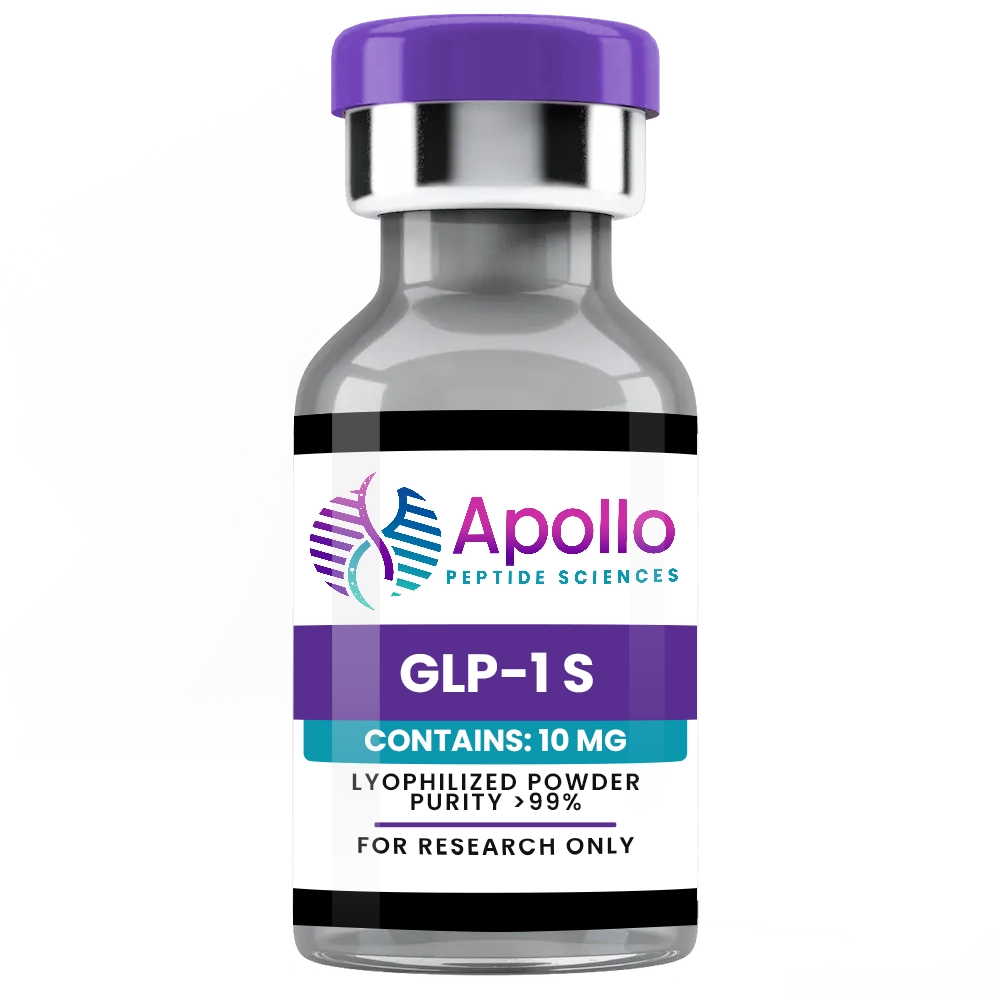
GLP-1 S 10mg
Synthetic peptide derivative structurally derived from human glucagon-like peptide-1 (GLP-1), modified to enhance stability. Supplied as lyophilized powder for laboratory research applications.
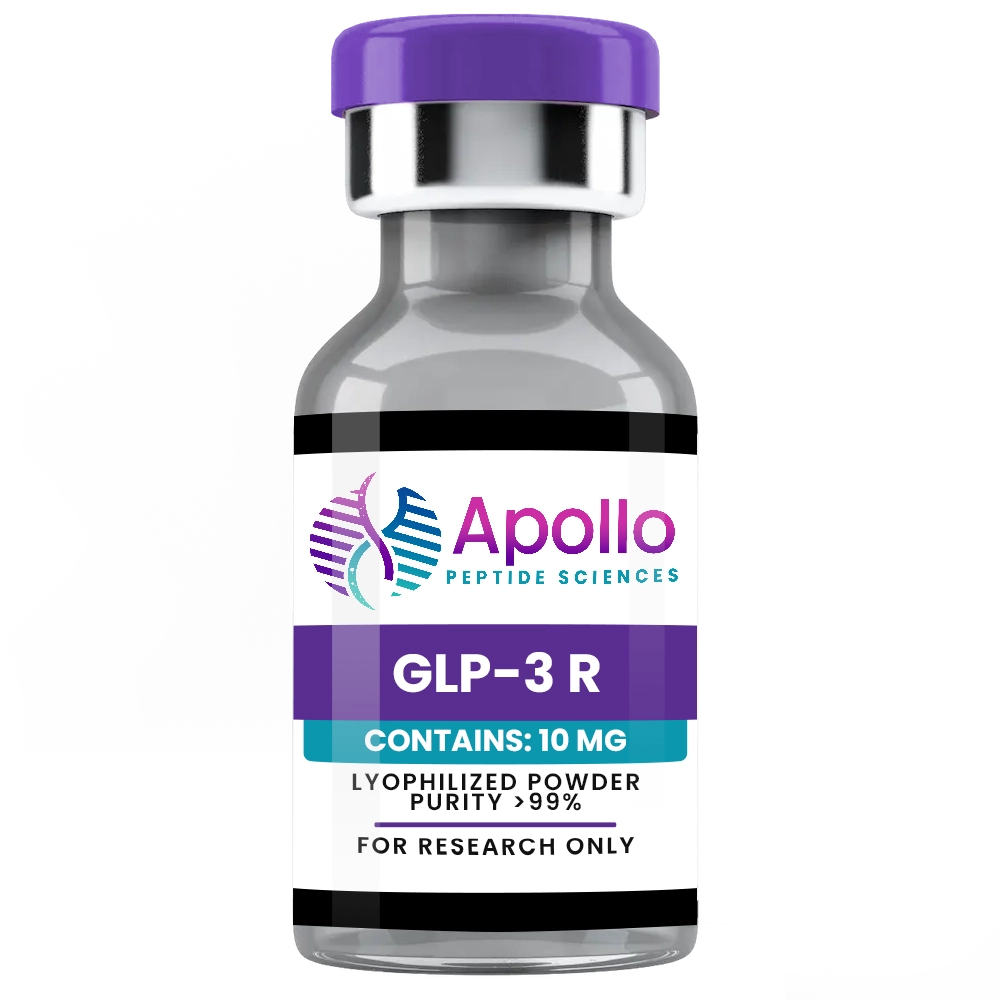
GLP-3 R 10mg
Retatrutide is a synthetic peptide analog incorporating structural modifications designed to enhance stability. Supplied as lyophilized powder for laboratory research applications.
BPC157 10mg
$59.99