Healing & Recovery Peptides
Peptides studied for tissue repair, injury recovery, and regenerative processes in research settings.
How It Works
Molecular mechanisms behind healing & recovery peptides research
VEGFR2 Angiogenesis (BPC-157)
BPC-157 upregulates vascular endothelial growth factor receptor 2 (VEGFR2), activating the PI3K → Akt → eNOS cascade. This drives new capillary formation at injury sites — the critical rate-limiting step in tissue repair. Improved blood supply accelerates nutrient delivery and waste clearance.
G-Actin Sequestration (TB-500)
Thymosin Beta-4 sequesters ~40–50% of cellular G-actin (monomeric actin), maintaining the pool available for controlled polymerization. This regulates cell migration — directing fibroblasts, endothelial cells, and stem cells into wound zones at the rate the tissue can accommodate.
Nitric Oxide / eNOS Pathway
BPC-157 modulates the eNOS/NO system in vascular tissue. Elevated nitric oxide causes vasodilation, improving perfusion to injured areas. The NO pathway also mediates BPC-157's anti-ulcer and GI cytoprotective effects — protecting mucosal barrier integrity under physiological stress.
Healing & Recovery Peptides: Research Overview
Regeneration and tissue repair peptides represent a growing area of biomedical research. These compounds interact with fundamental healing pathways including angiogenesis, inflammation modulation, and stem cell recruitment.
Key Peptides
BPC-157 (Body Protection Compound) BPC-157 is a synthetic 15-amino acid peptide derived from a protective protein found in gastric juice. It has been extensively studied in animal models for its effects on:
- Accelerated wound and tendon healing
- Gut mucosal protection and repair
- Angiogenesis promotion (VEGF pathway)
- Anti-inflammatory activity
- Neuroprotective effects
- Muscle, tendon, and ligament repair
TB-500 (Thymosin Beta-4 Fragment) TB-500 is a synthetic peptide based on the active region of thymosin beta-4, a 43-amino-acid protein involved in cell migration and tissue repair. Key research areas include:
- Cell migration and differentiation
- Anti-inflammatory properties
- Blood vessel formation
- Cardiac tissue repair
- Hair follicle stem cell migration
Synergistic Research
BPC-157 and TB-500 are frequently studied together due to their complementary mechanisms. BPC-157 primarily promotes angiogenesis and growth factor expression, while TB-500 enhances cell migration and anti-inflammatory responses. Research suggests the combination may produce additive effects on tissue repair.
Research Applications
- Tendon and ligament repair models
- Gastrointestinal mucosal healing
- Cardiac tissue regeneration
- Wound healing acceleration
- Neuroprotection studies
Key Research
Published studies underpinning healing & recovery peptides
Sikiric P. et al.
First characterization of BPC-157 gastroprotective activity. Protected against ethanol-induced gastric lesions and demonstrated cytoprotective effects on mucosal epithelium.
Chang C.H. et al.
BPC-157 accelerated tendon-to-bone healing via VEGFR2 upregulation in rat Achilles tendon model. Significant increase in tensile strength and collagen organization vs. control.
Philp D. et al.
Thymosin Beta-4 (TB-500 precursor) promoted hair follicle stem cell migration and keratinocyte differentiation — first demonstration of TB4's role in hair cycle activation.
Research Protocols
Suggested compound combinations for healing & recovery peptides research
Wolverine Stack
BPC-157 drives VEGFR2 angiogenesis and mucosal protection; TB-500 drives G-actin-mediated cell migration. Complementary mechanisms with no pathway overlap — the most studied tissue repair combination in the research literature.
GI Protection Protocol
Standalone BPC-157 for gastric mucosal cytoprotection. Essential when running GLP agonists (Retatrutide, semaglutide, tirzepatide) — directly counteracts GLP-induced nausea, gastroparesis, and mucosal stress.
Research-Grade Healing & Recovery Peptides
>98% purity, third-party tested. Free shipping on orders over $200.
Healing & Recovery Peptides — Available Products
Research-grade compounds from Clav Tides. >98% purity, CoA on request.
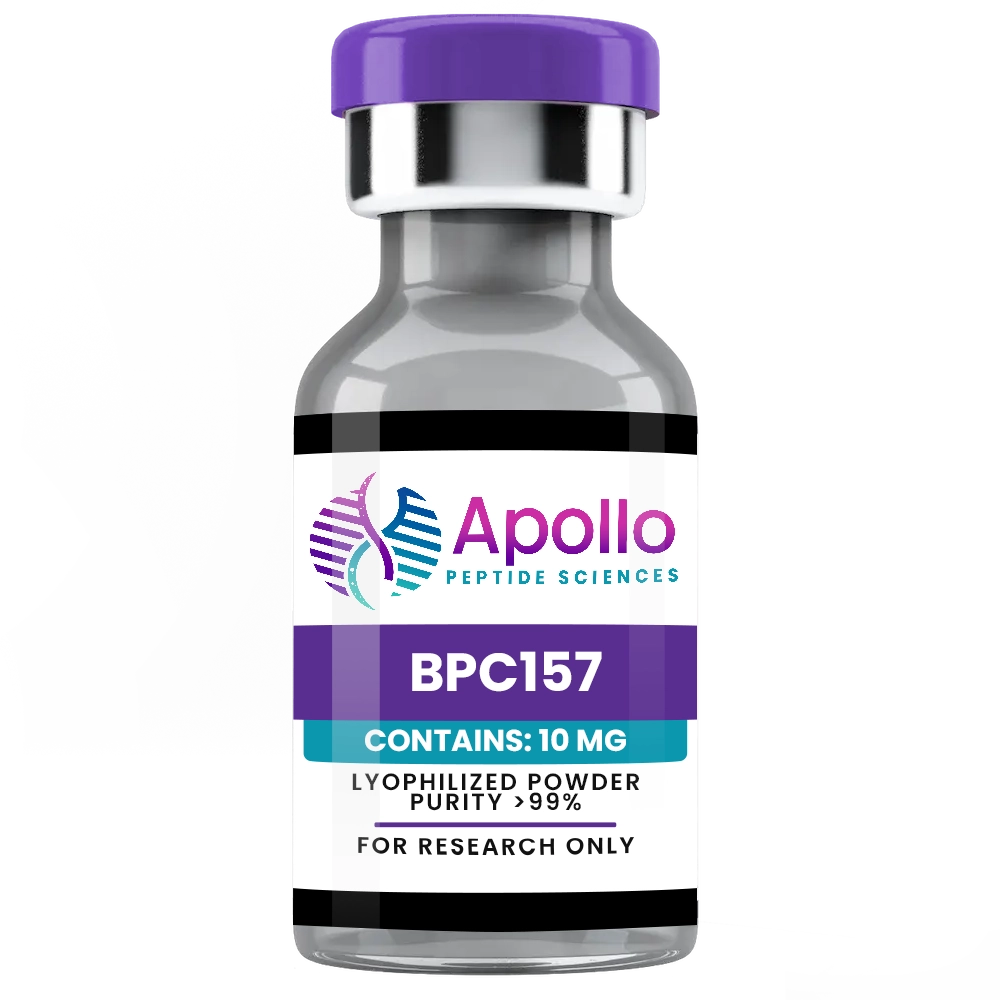
BPC157 10mg
A synthetic 15-amino acid peptide derived from Body Protection Compound. Supplied as lyophilized powder for research applications.
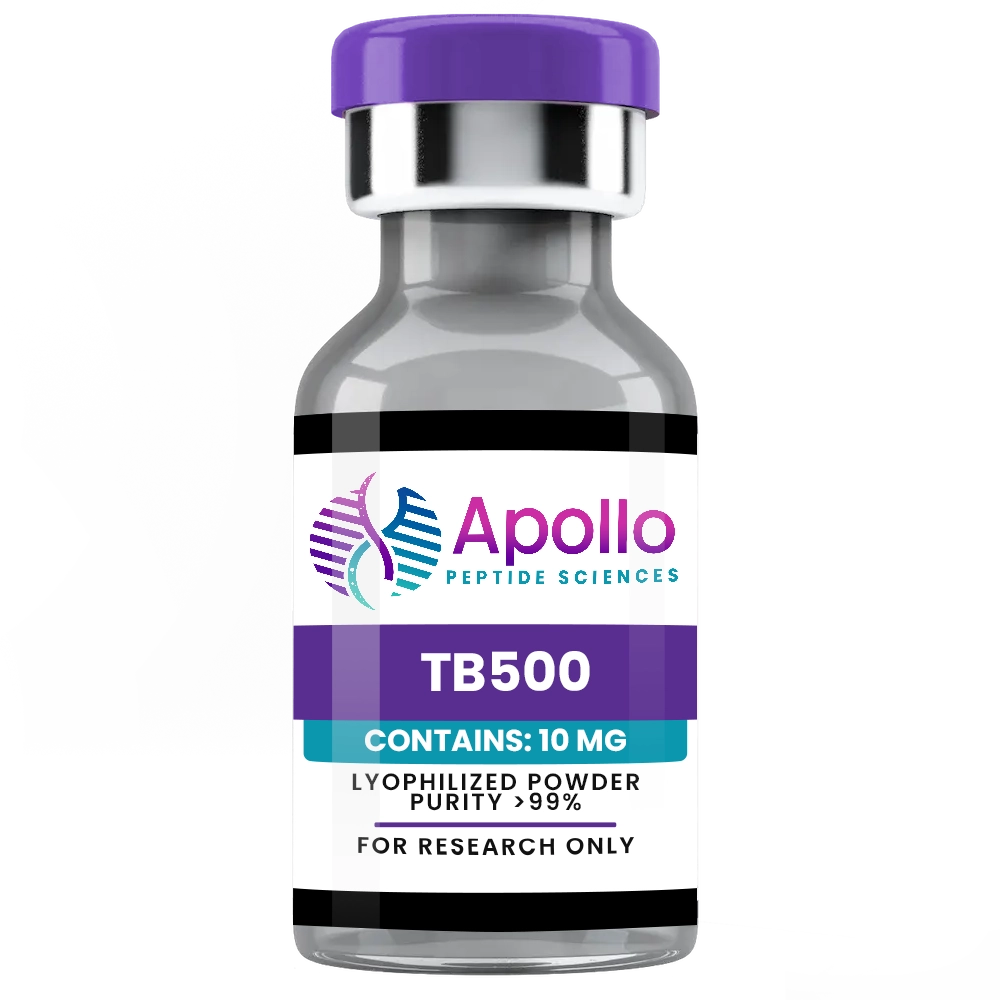
TB500 10mg
A synthetic peptide corresponding to a region of thymosin beta-4. Supplied as lyophilized powder for laboratory research applications.
Research Guides
Deep-dive guides for healing & recovery peptides compounds
Guide
What Are Peptides? Complete Beginner's Guide
Everything you need to know about research peptides — from basic chemistry to modern applications in scientific research.
Read guideGuide
How to Reconstitute Peptides: Step-by-Step Guide
A detailed guide on properly reconstituting lyophilized research peptides with bacteriostatic water for laboratory use.
Read guideGuide
Peptide Stacking Guide: Combining Research Peptides
Learn the science behind combining multiple research peptides for synergistic effects in laboratory research applications.
Read guideRelated Research
Articles and breakdowns for healing & recovery peptides
18 min read
BPC-157 vs TB-500: Complete Comparison
An in-depth comparison of two of the most popular healing peptides in research — BPC-157 (Body Protection Compound) and TB-500 (Thymosin Beta-4 Fragment).
Read more17 min read
Complete Guide to Peptide Stacking
Learn which research peptides are commonly studied together, the science behind peptide combinations, and evidence-based stacking protocols for laboratory use.
Read more16 min read
How Peptides Work: A Beginner's Guide
Everything you need to know about research peptides — what they are, how they work, types of peptides, and their role in modern scientific research.
Read moreLooking for Clavicular's Looksmaxxing Stack?
See which peptides Clavicular uses in his viral looksmaxxing transformation — Retatrutide, BPC-157, and more.
Frequently Asked Questions
What is BPC-157 derived from?
BPC-157 is a synthetic 15-amino acid peptide derived from Body Protection Compound, a protein found naturally in human gastric juice. The synthetic version is stable in stomach acid and has been studied in over 100 research papers.
How does TB-500 promote healing?
TB-500 interacts with actin to promote cell migration and motility. It helps recruit repair cells to injury sites and has anti-inflammatory properties that support the healing process.
Can BPC-157 and TB-500 be researched together?
Yes, these peptides are frequently studied in combination due to their complementary mechanisms. BPC-157 promotes angiogenesis while TB-500 enhances cell migration, potentially producing synergistic effects on tissue repair.
Shop Healing & Recovery Peptides
Research-grade healing & recovery peptides from Clav Tides. Third-party tested, >98% purity guaranteed.