17 compounds · from $62.99
Regulomaxxing Peptides For Sale
Regulomaxxing is the odd shelf out, and it is worth saying why before anything else. Where the other categories here target an outcome you can see, this one is organised around a specific research programme: the Khavinson bioregulator series, seventeen very short peptides each associated with one organ system. The premise is unlike the rest of the catalogue — not receptor agonism, but a proposed regulatory effect on tissue-specific gene expression. The supporting work spans five decades out of one institute, is concentrated in Russian-language publication, and has little independent Western replication, so this belongs firmly in the research-material category rather than the settled one.
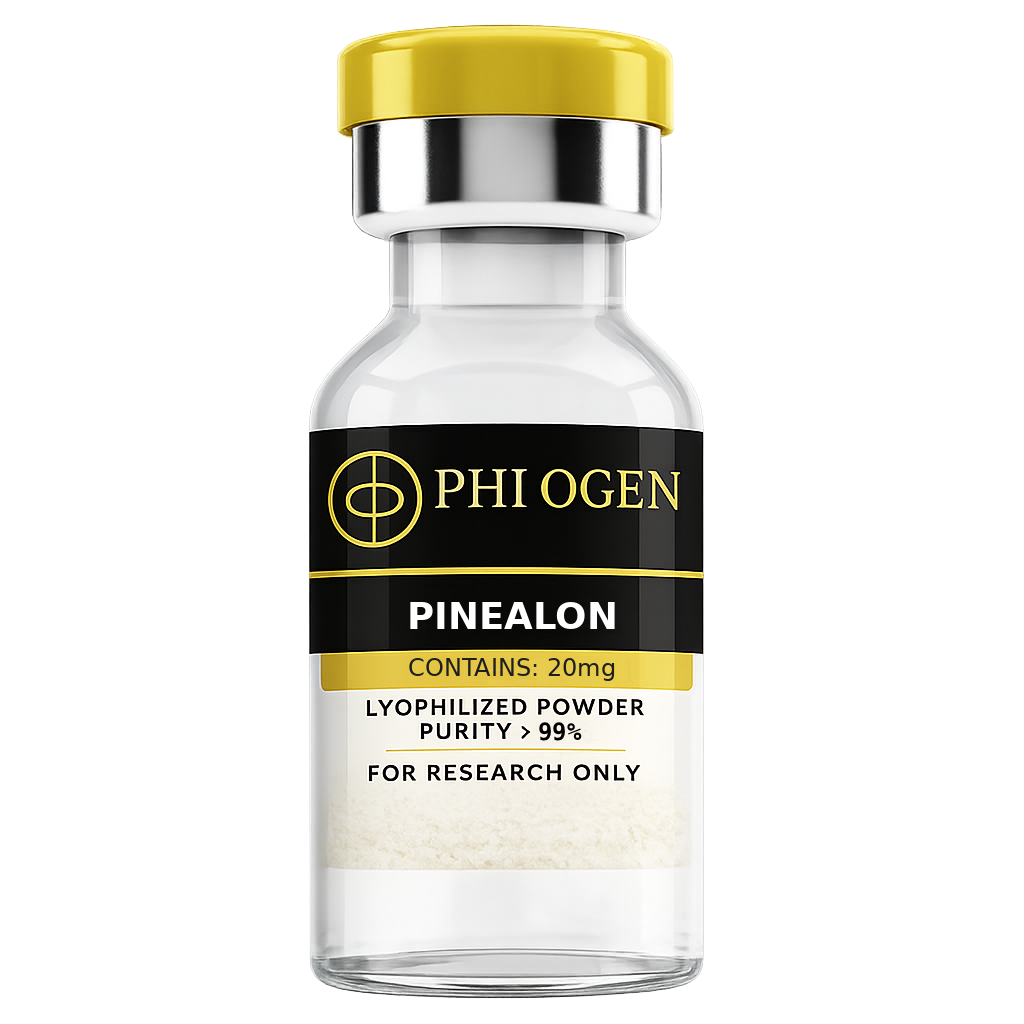
Pinealon 20mg
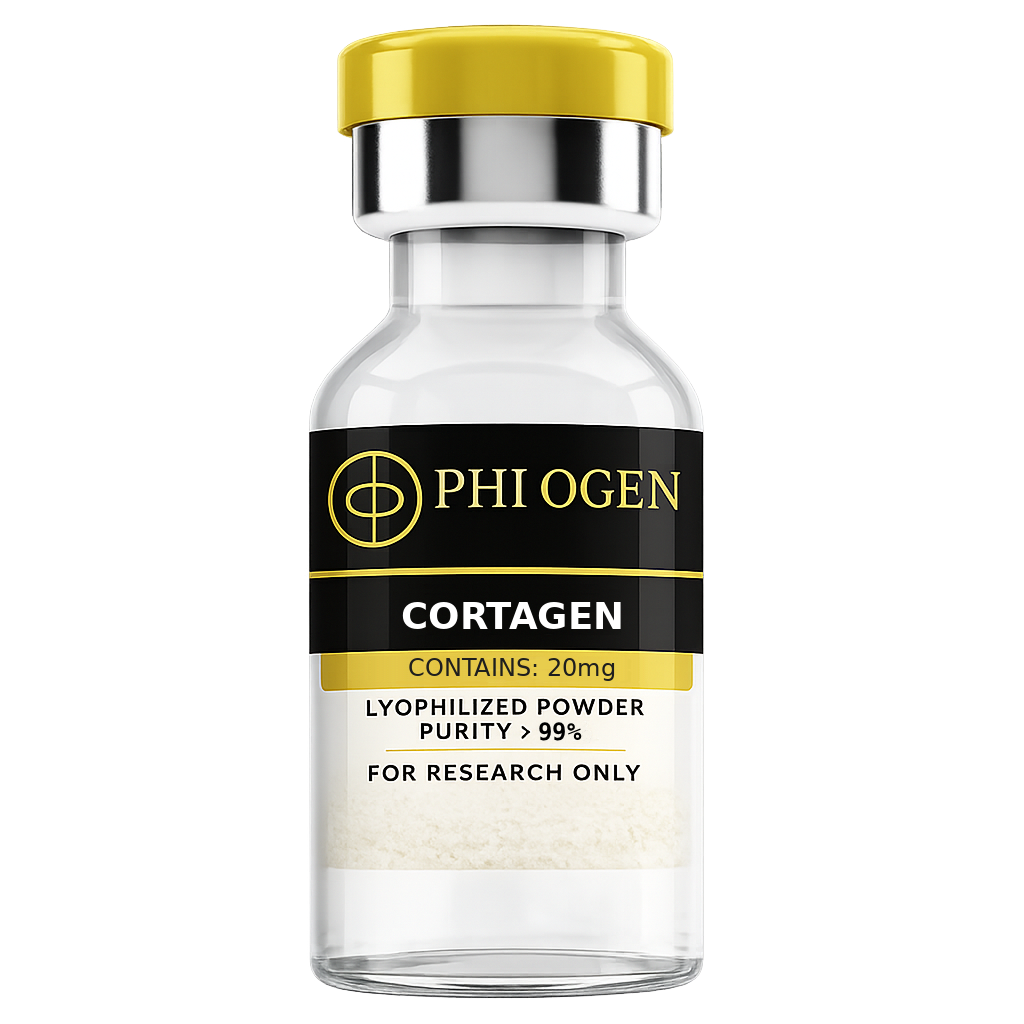
Cortagen 20mg
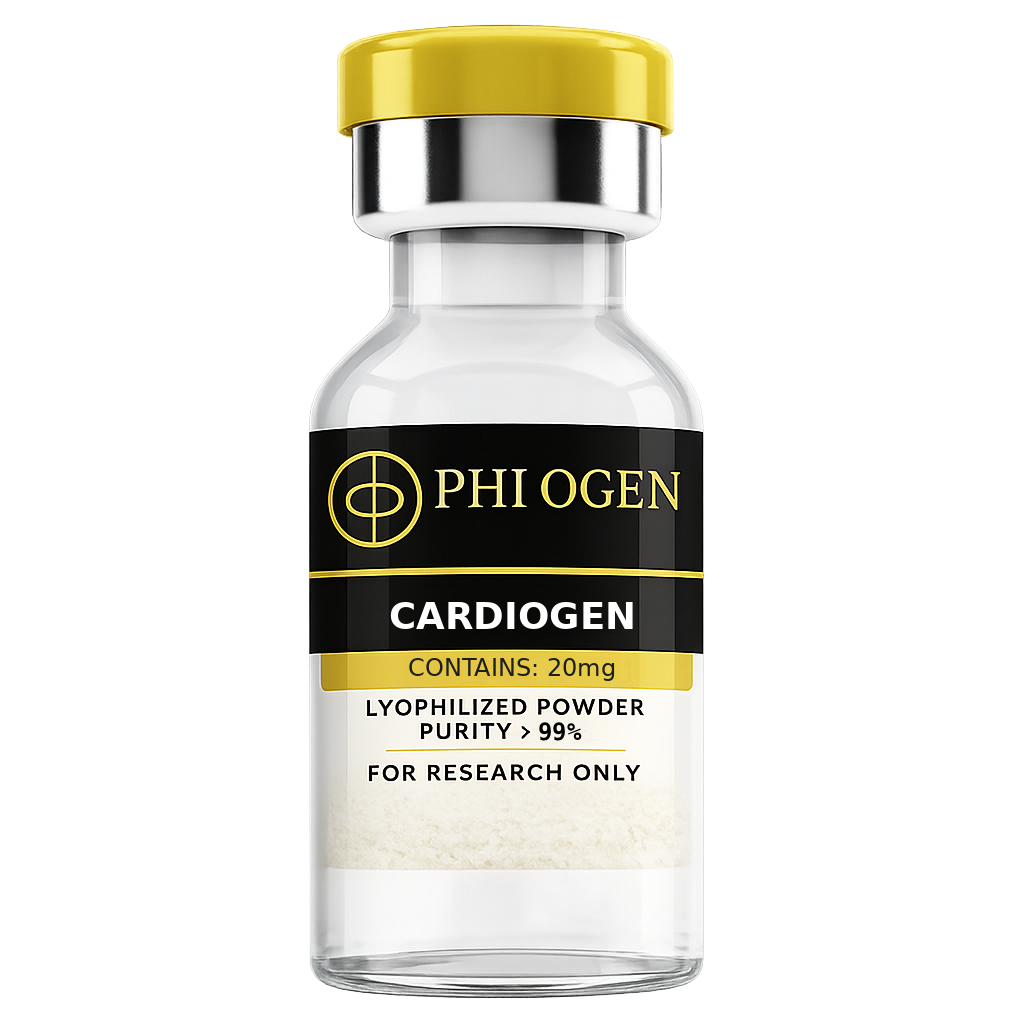
Cardiogen 20mg
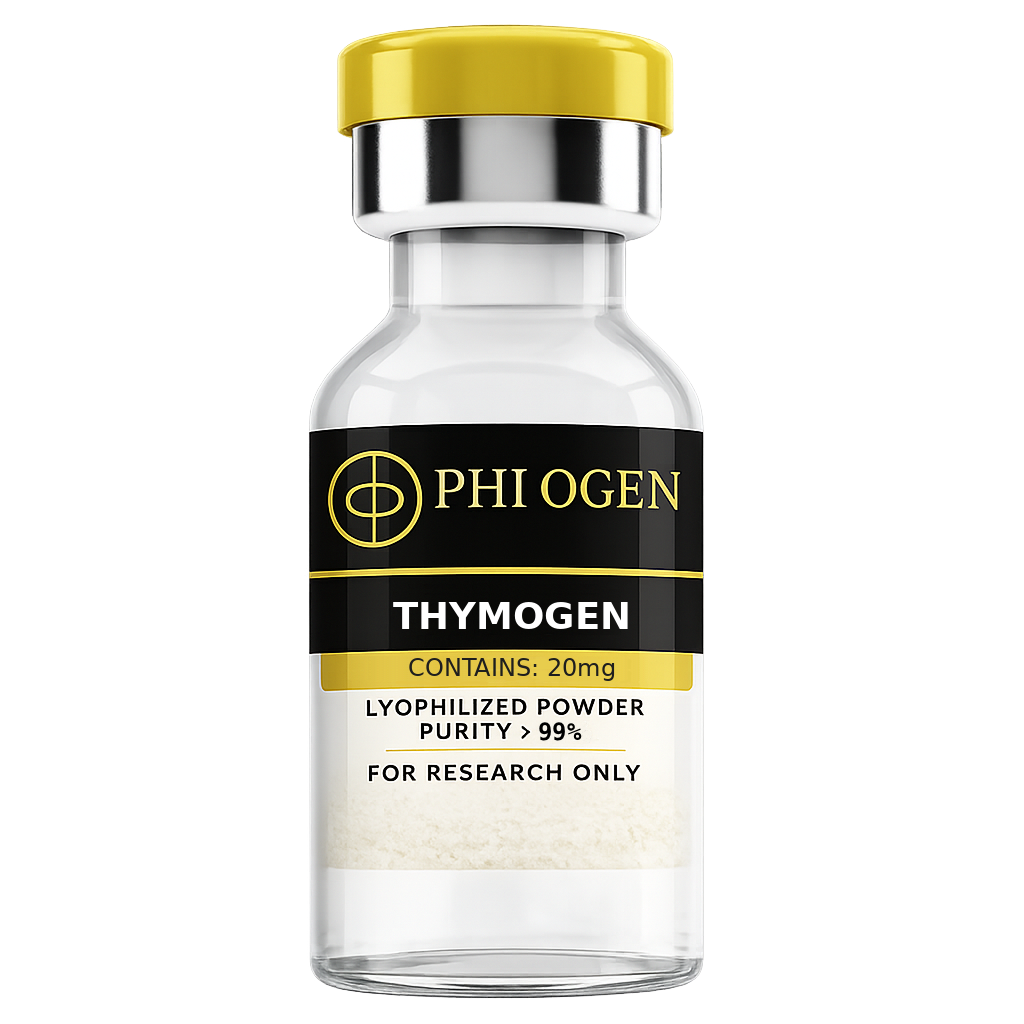
Thymogen 20mg
Pinealon 10mg
Adamax 10mg
Vesugen 20mg
Livagen 20mg
Ovagen 20mg
Pancragen 20mg
Bronchogen 20mg
Chonluten 20mg
Vilon 20mg
Crystagen 20mg
Testagen 20mg
Prostamax 20mg
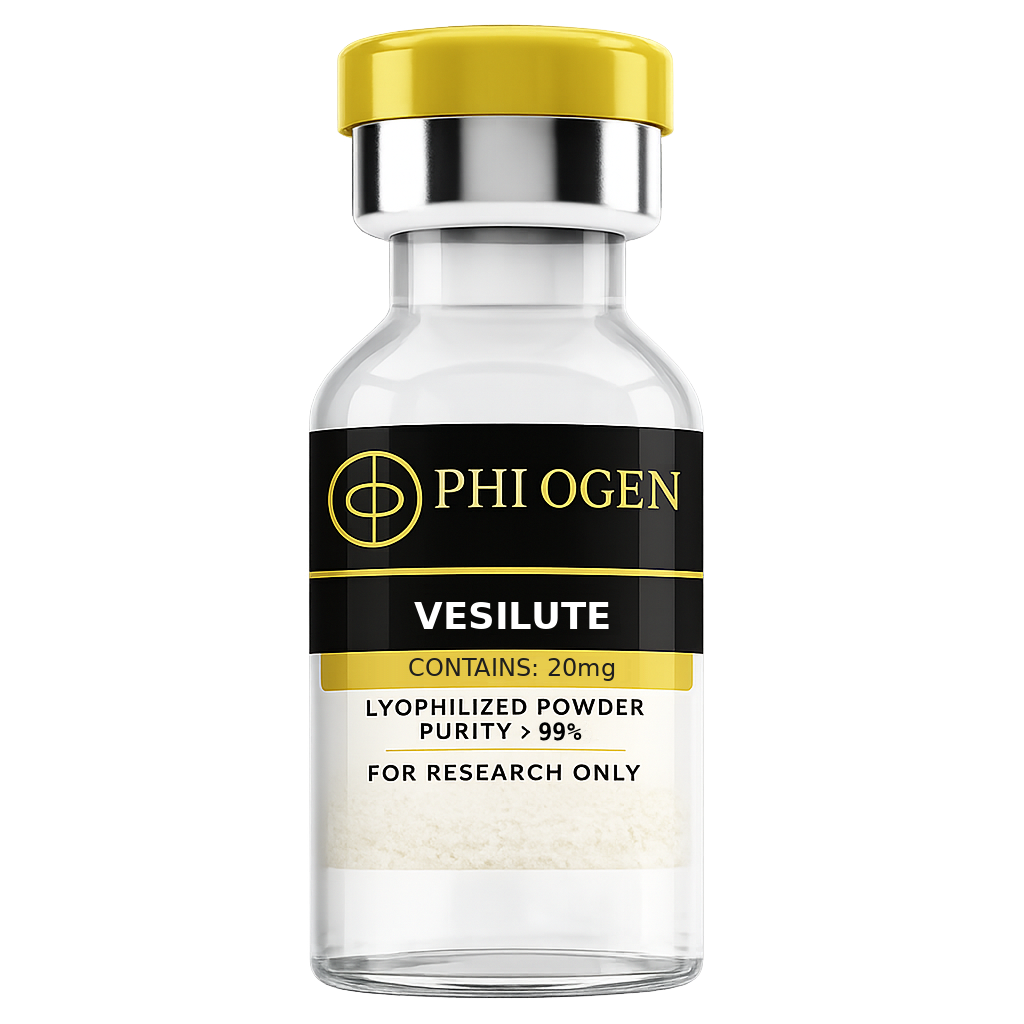
Vesilute 20mg
The Premise Behind the Bioregulators
The compounds are two to four amino acids long, modelled on regulatory peptide fractions originally extracted from the corresponding animal organ. The proposed mechanism is that peptides this short can enter the nucleus and interact with promoter regions of tissue-specific genes, influencing transcription rather than activating a receptor on the cell surface.
Whether that mechanism holds is the entire question, and it is not one the shelf can answer for you. It is a coherent hypothesis with a large body of associated work behind it and limited confirmation from outside the group that proposed it.
How Regulomaxxing Differs From the Rest of the Catalogue
Three practical differences follow from the mechanism, and they matter when reading protocols:
- No dose-response curve of the kind incretins or growth-hormone secretagogues produce.
- Short cyclical courses rather than continuous administration, typically with long gaps
- Stacking logic does not transfer. Combination reasoning from the rest of the site
Regulomaxxing — Common Questions
What are Khavinson bioregulators?
They are two-to-four amino acid peptides modelled on regulatory peptide fractions from specific animal organs, developed at the Saint Petersburg Institute of Bioregulation and Gerontology over roughly five decades.
How is regulomaxxing different from the other shelves?
The proposed mechanism is regulatory rather than receptor signalling, so there is no conventional dose-response relationship. Courses are typically short and cyclical, and stacking logic from the rest of the catalogue does not transfer.
How strong is the evidence for bioregulators?
The volume of associated work is large but concentrated in Russian-language publication and mostly produced by the institute that developed the compounds. Independent replication outside that tradition is sparse, so this is research material rather than settled science.