40 compounds · from $17.99
Cutmaxxing Peptides For Sale
Cutmaxxing is the deliberate pursuit of a lower body-fat percentage while giving up as little lean mass as possible, and it is a different project from simply losing weight. Weight comes off on any sufficient deficit; cutmaxxing is about controlling what that weight is made of and how the body looks once it is gone. That makes it as much a question of protein intake, training stimulus, deficit size and sleep as it is of compounds. This shelf exists because appetite is the variable that ends most cuts early, and it is the one variable that is genuinely tractable — everything below is judged on how well it supports a cut you can actually finish.
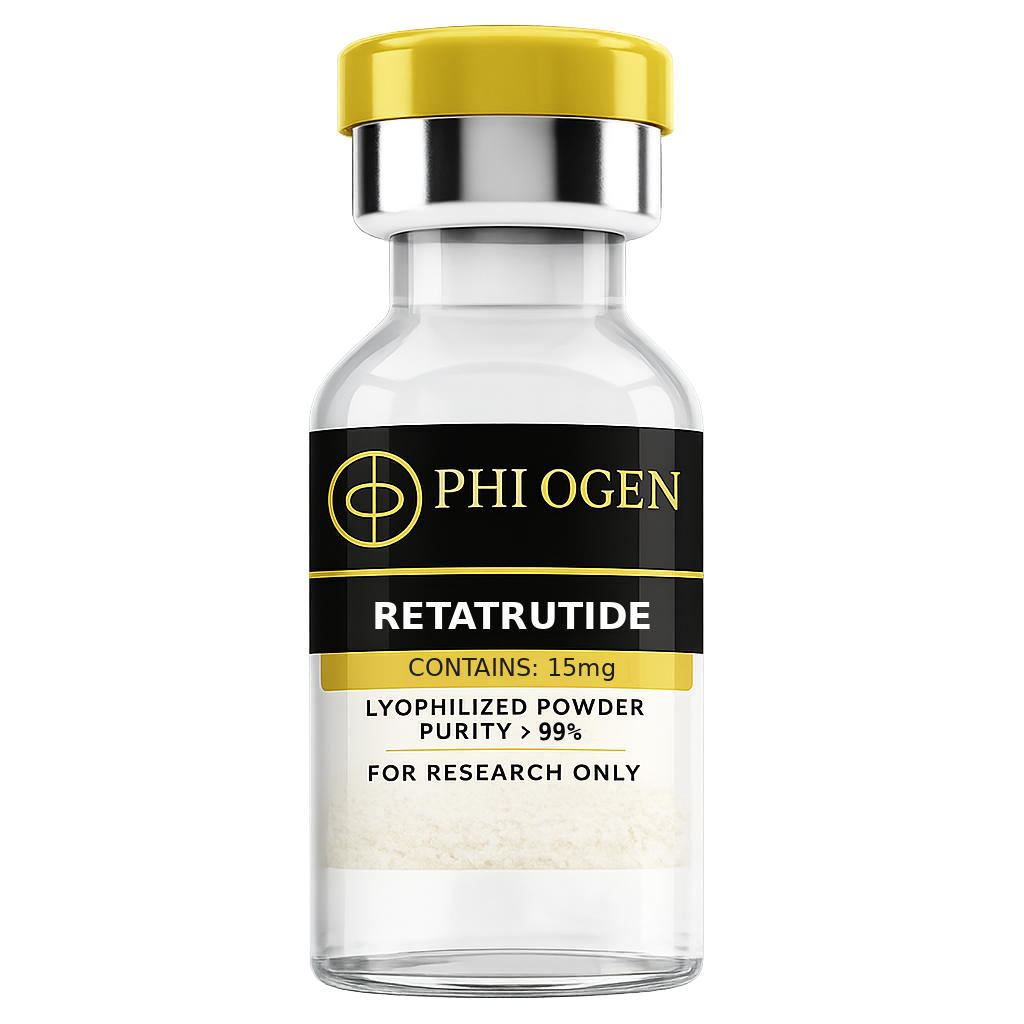
Retatrutide 15mg
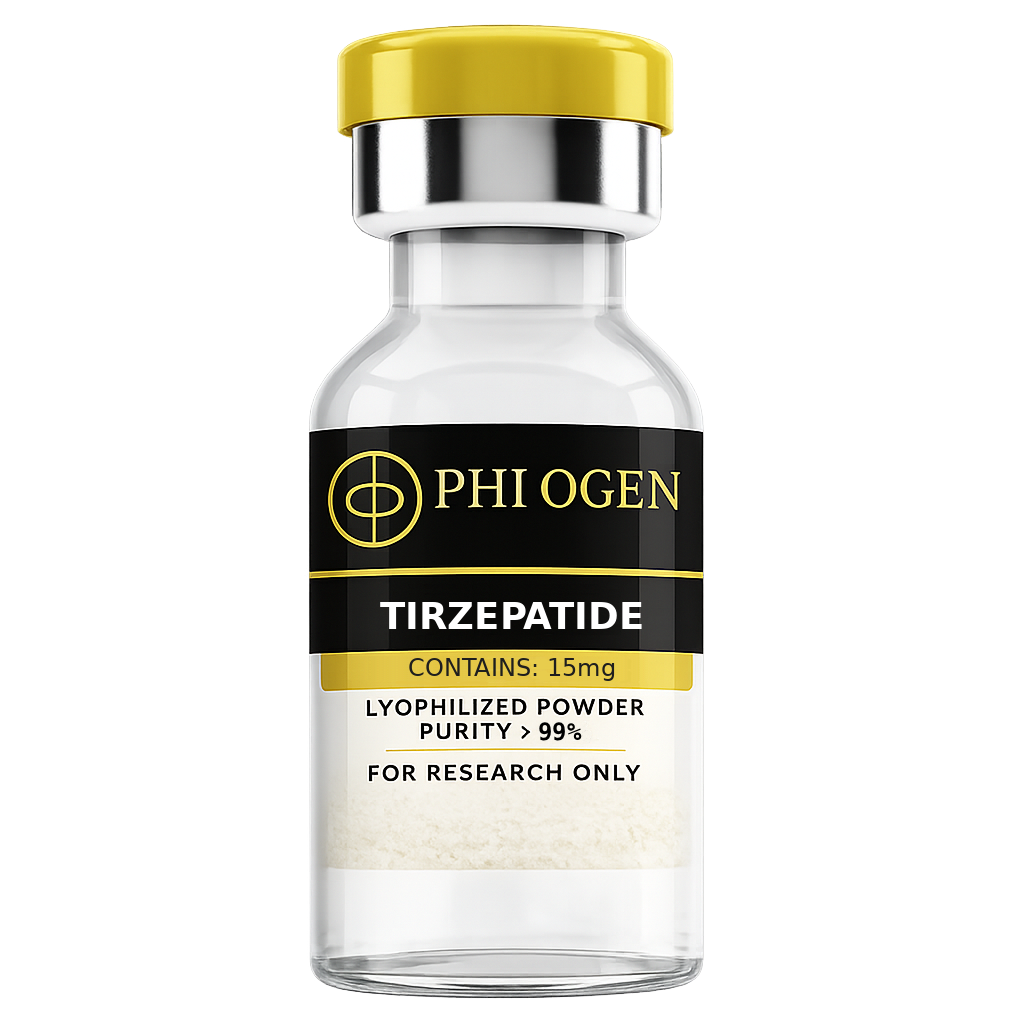
Tirzepatide 15mg

Semaglutide 12mg
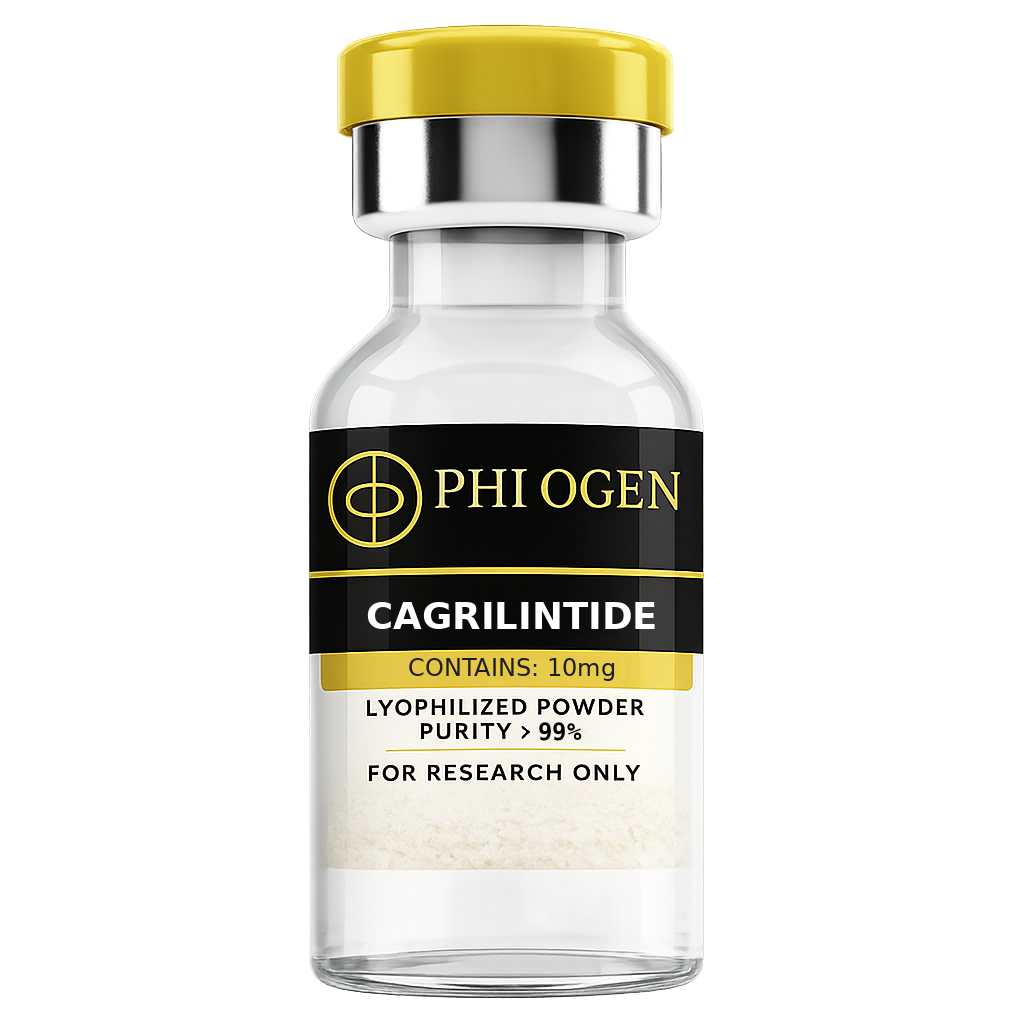
Cagrilintide 10mg
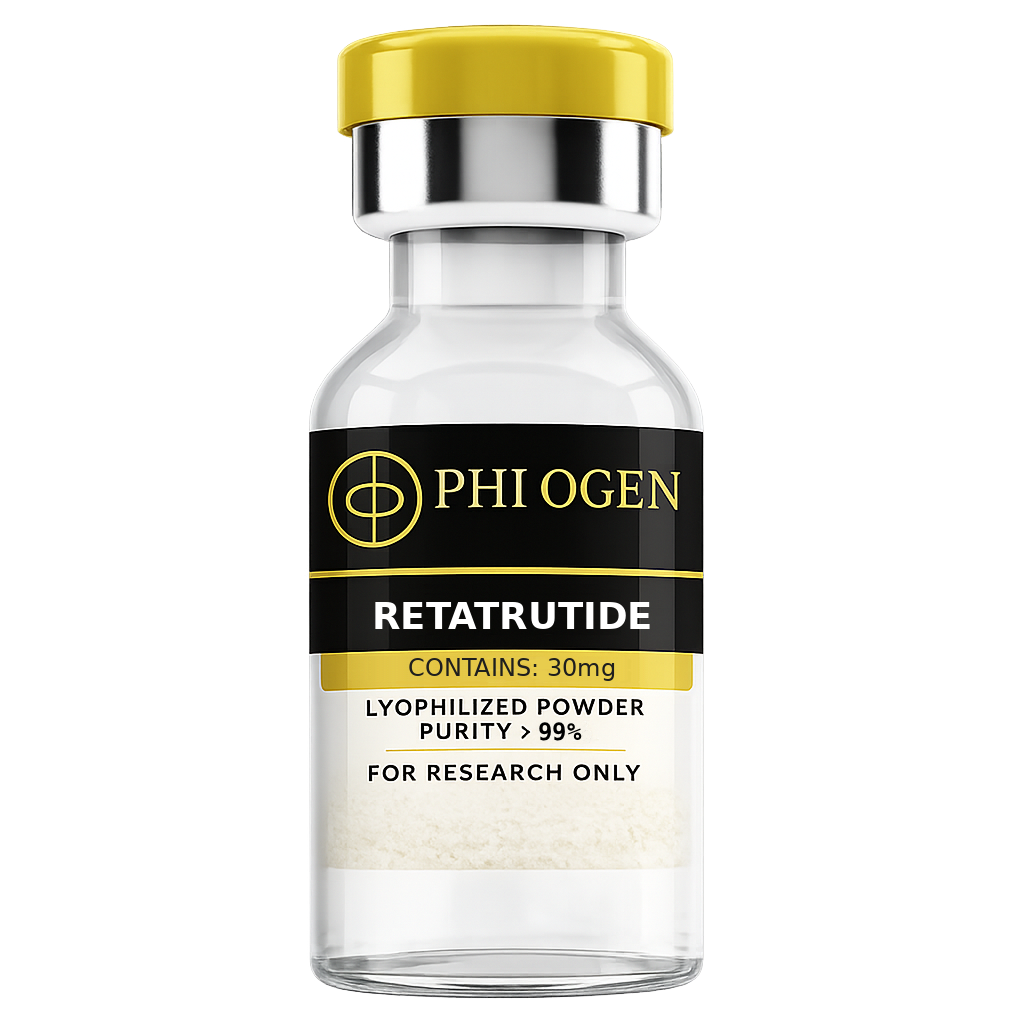
Retatrutide 30mg
Tirzepatide 30mg
5-Amino-1MQ 50mg
5-Amino-1MQ 5mg
AOD9604 10mg
AOD9604 2mg
AOD9604 5mg
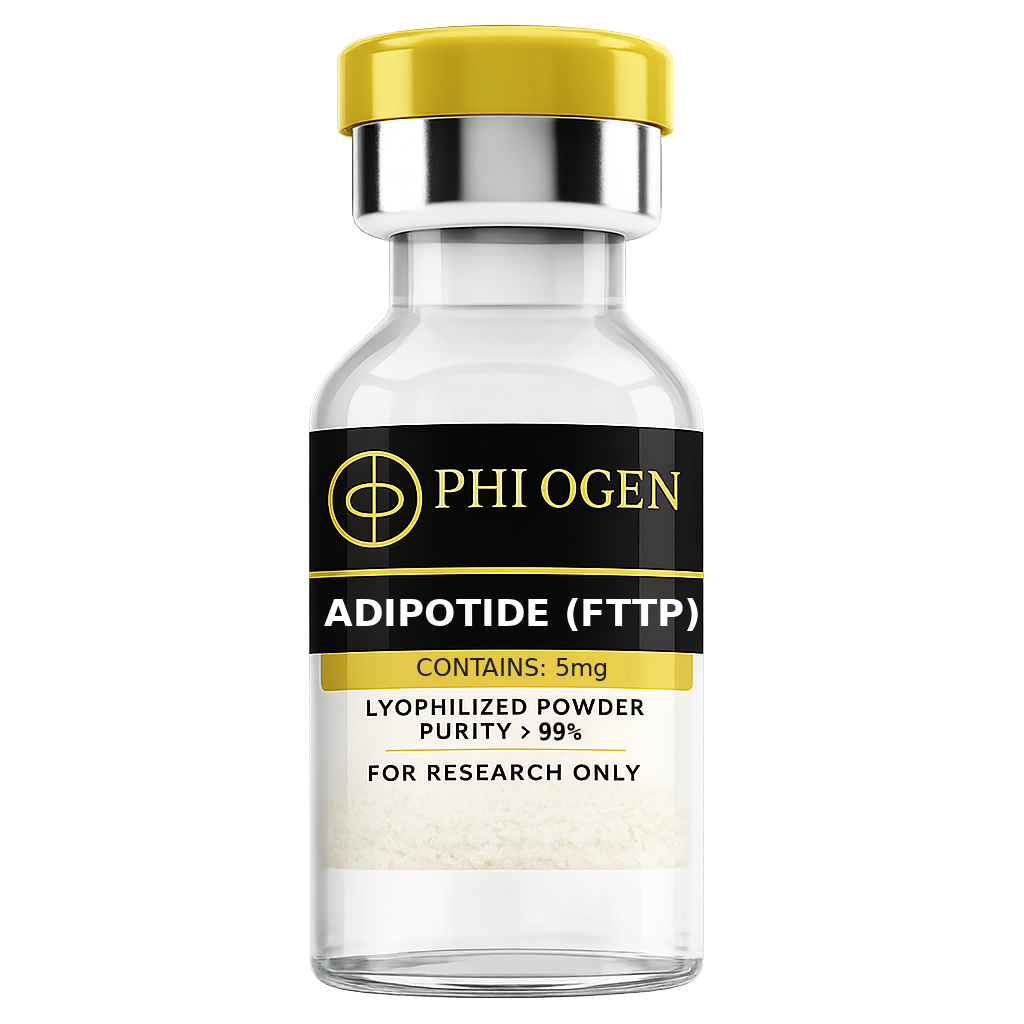
Adipotide (FTPP) 10mg
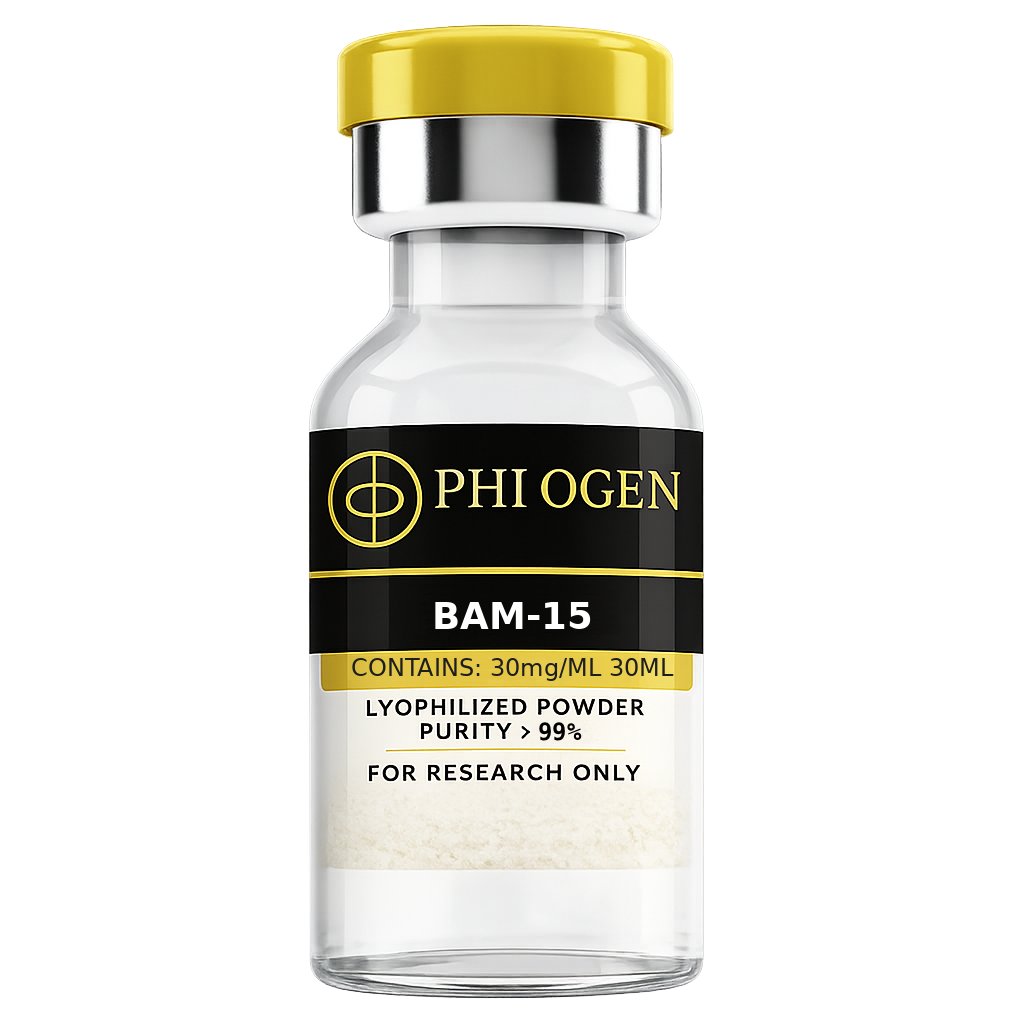
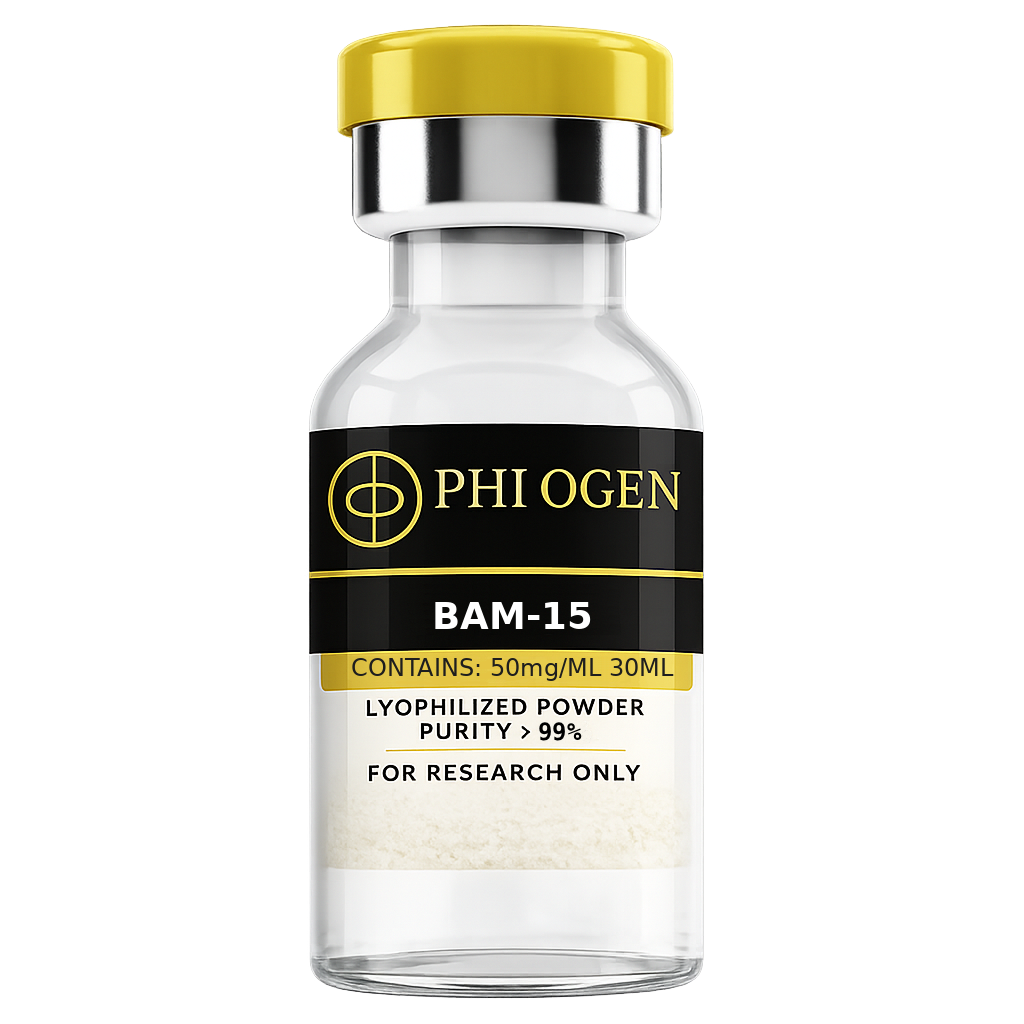
BAM-15 50mg/mL 30mL
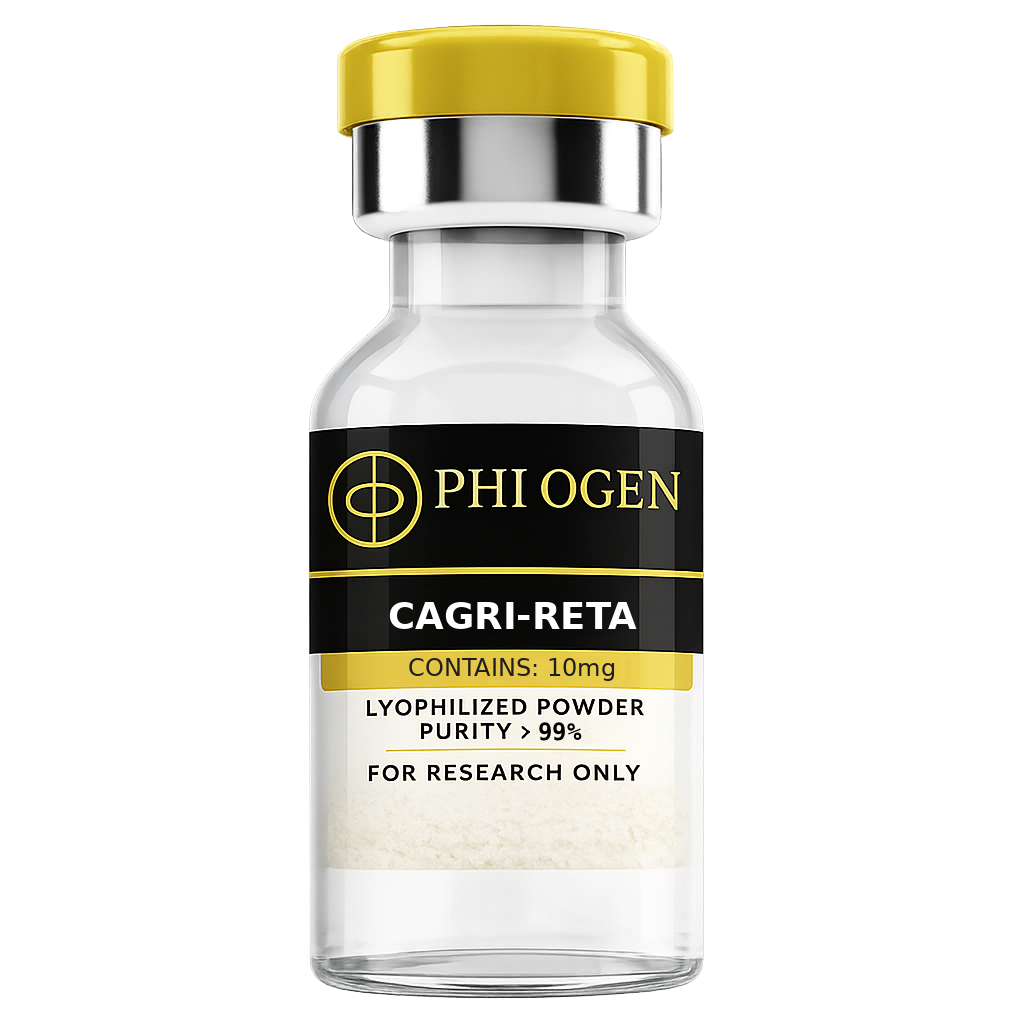
Cagri-Reta 10mg
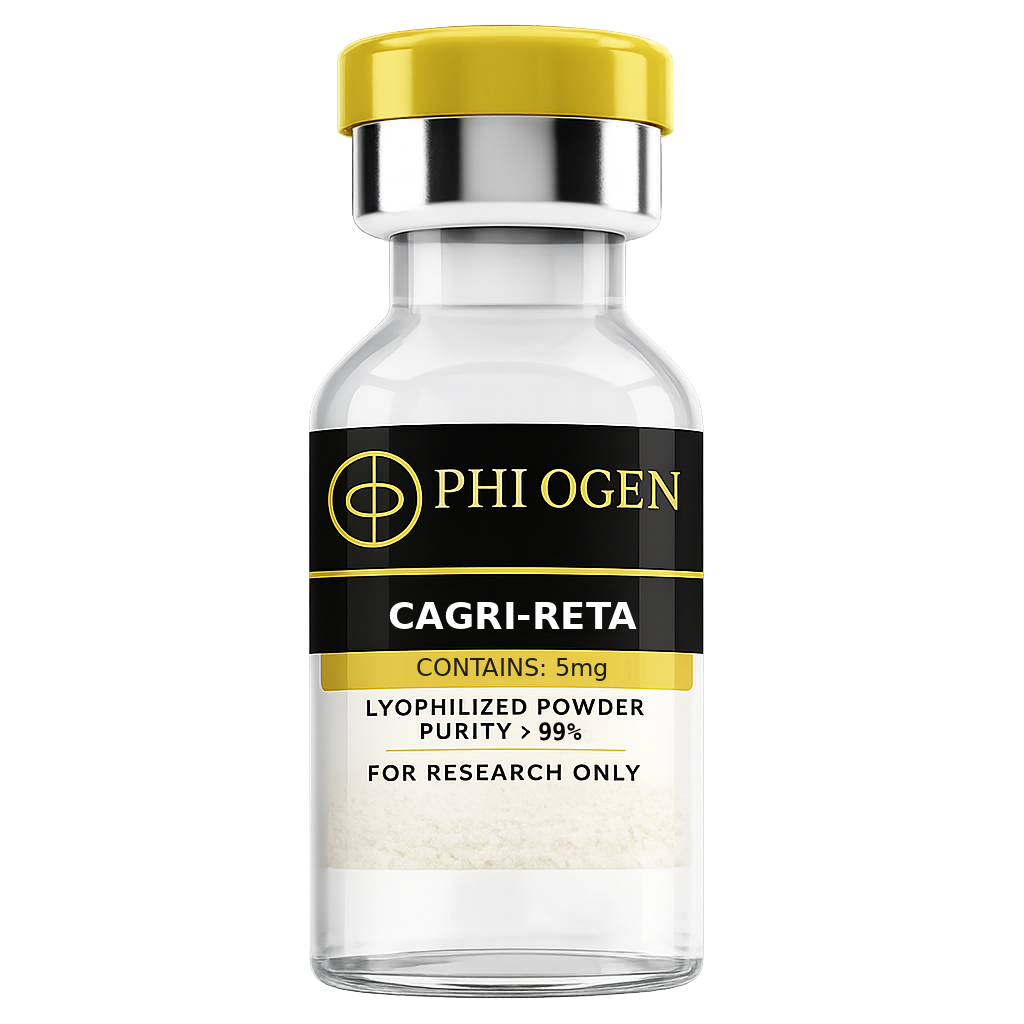
Cagri-Reta 5mg
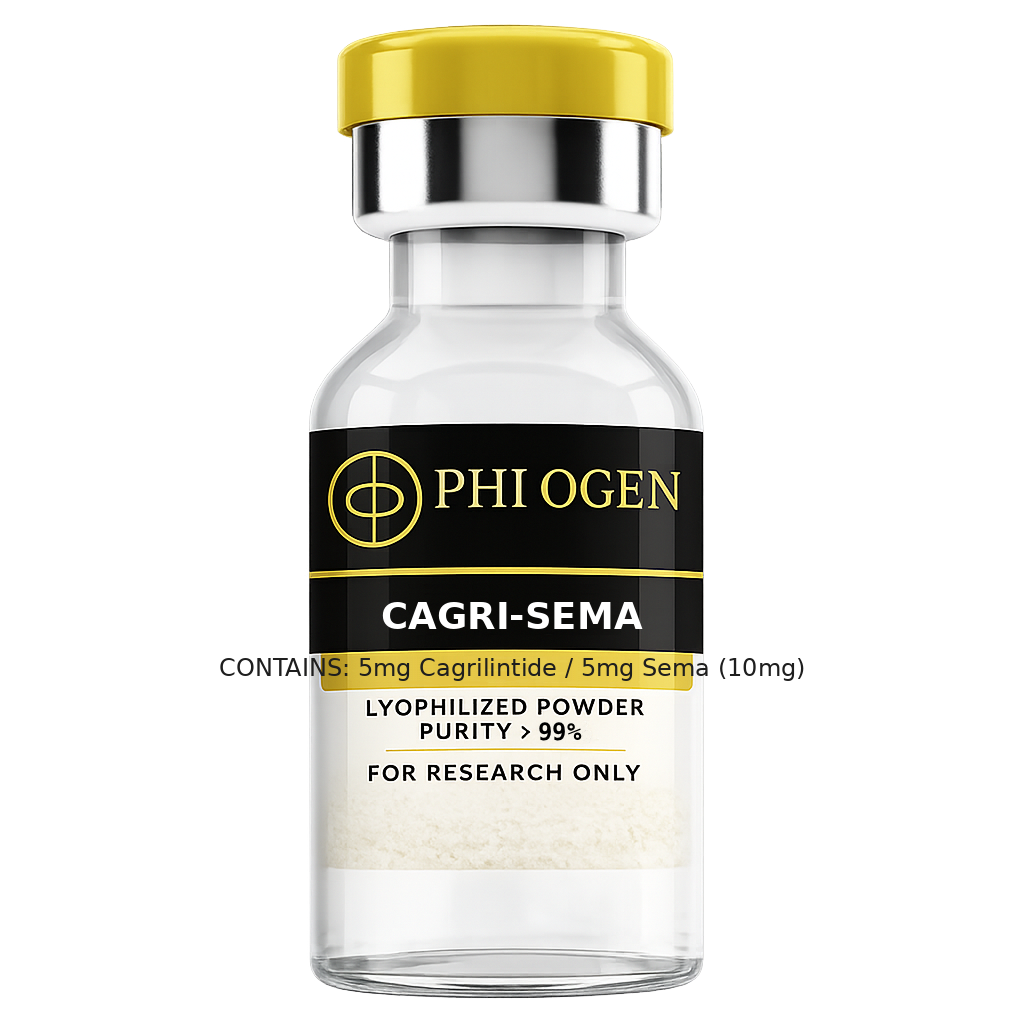
Cagri-Sema Blend 10mg
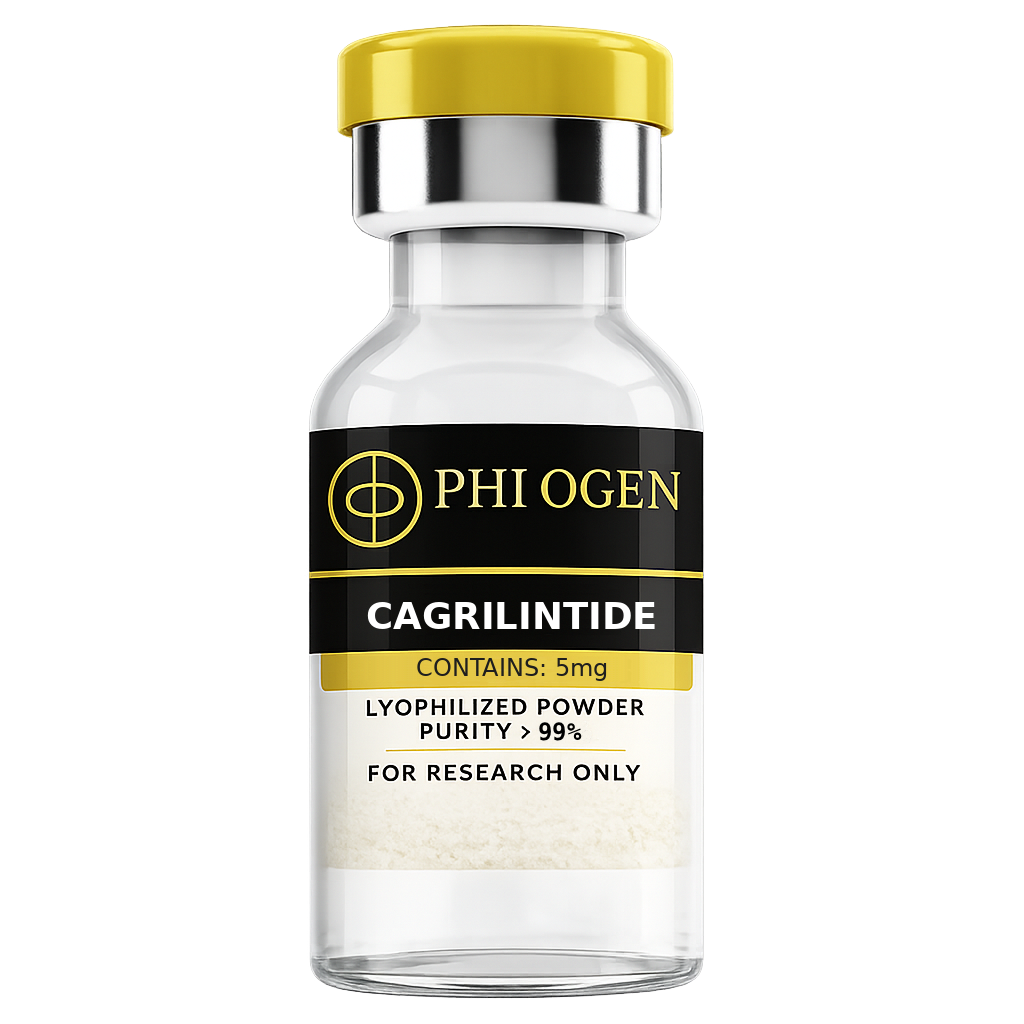
Cagrilintide 5mg
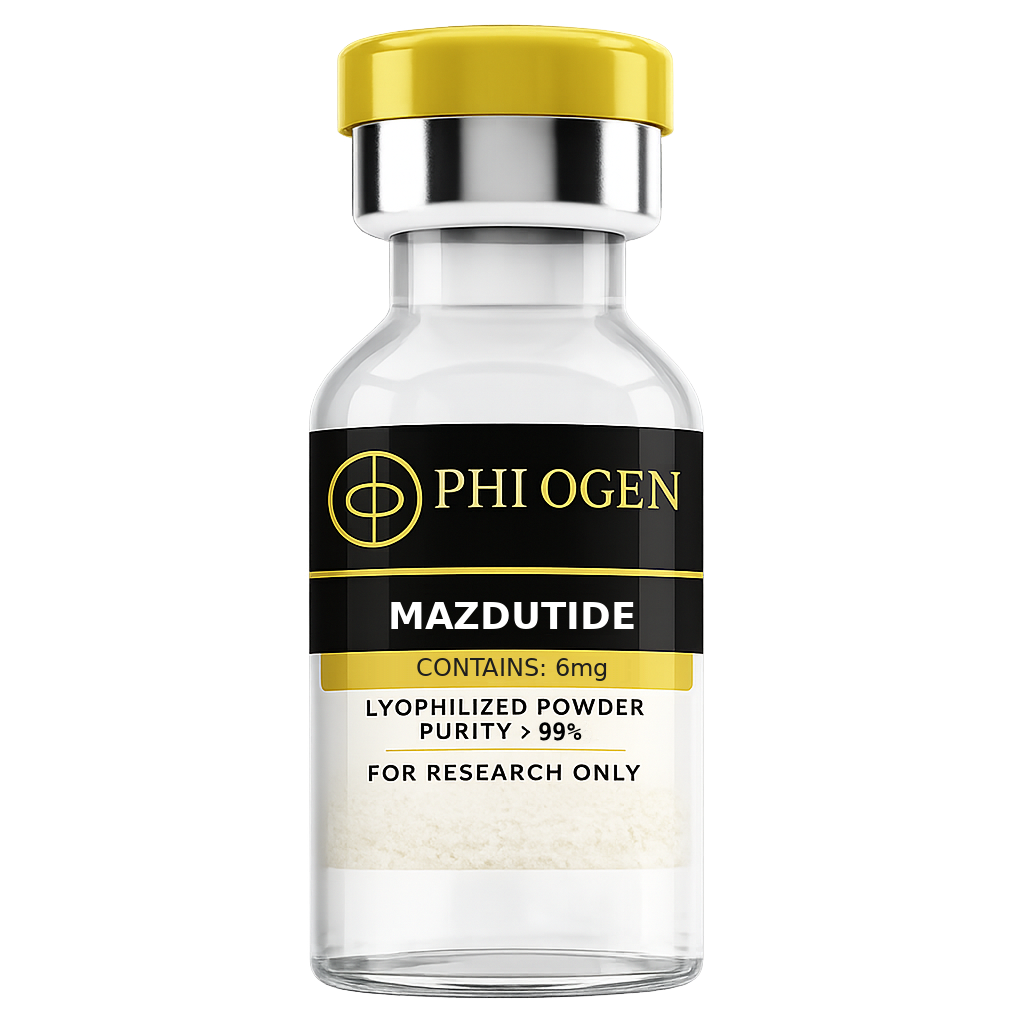
Mazdutide 6mg
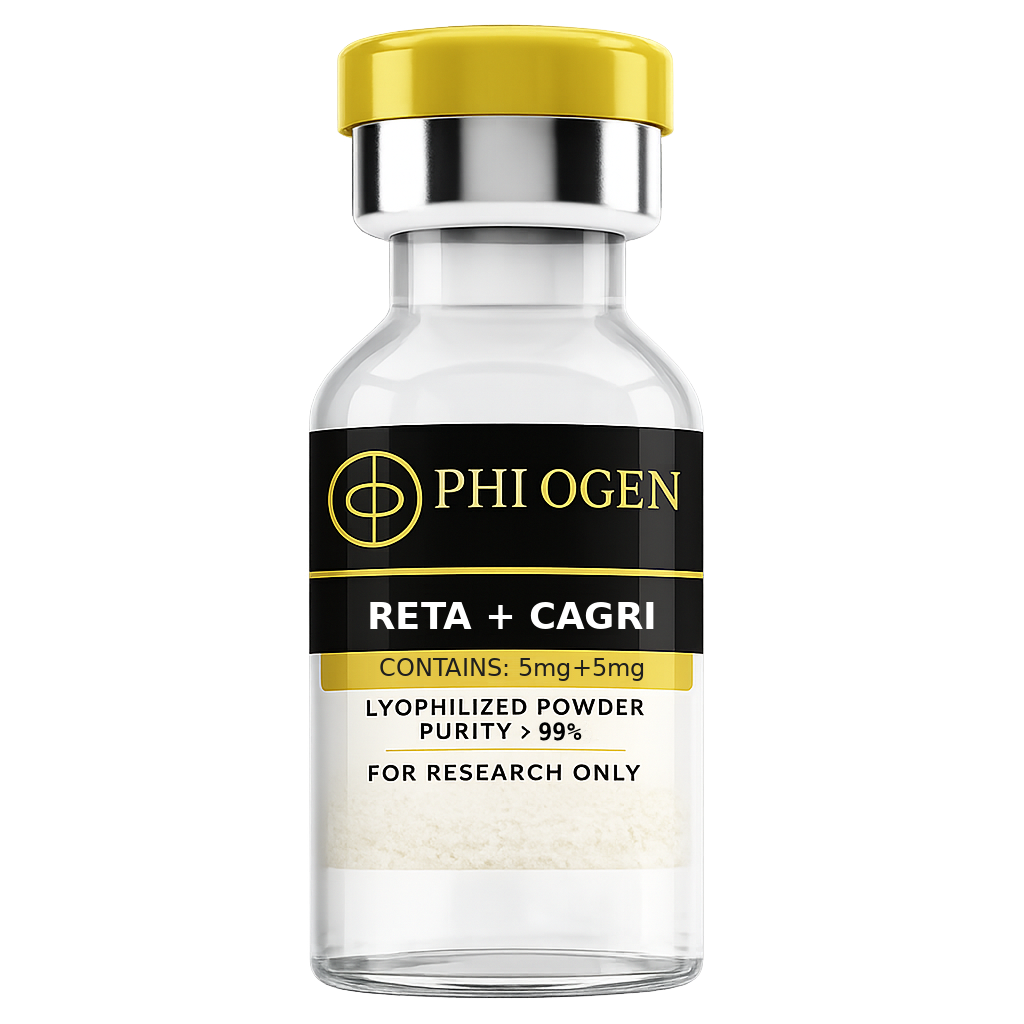
Reta-Cagri 5mg/5mg
Retatrutide 10mg
Retatrutide 20mg

Semaglutide 20mg

Semaglutide 30mg

Semaglutide 3mg

Semaglutide 6mg
Survodutide 10mg
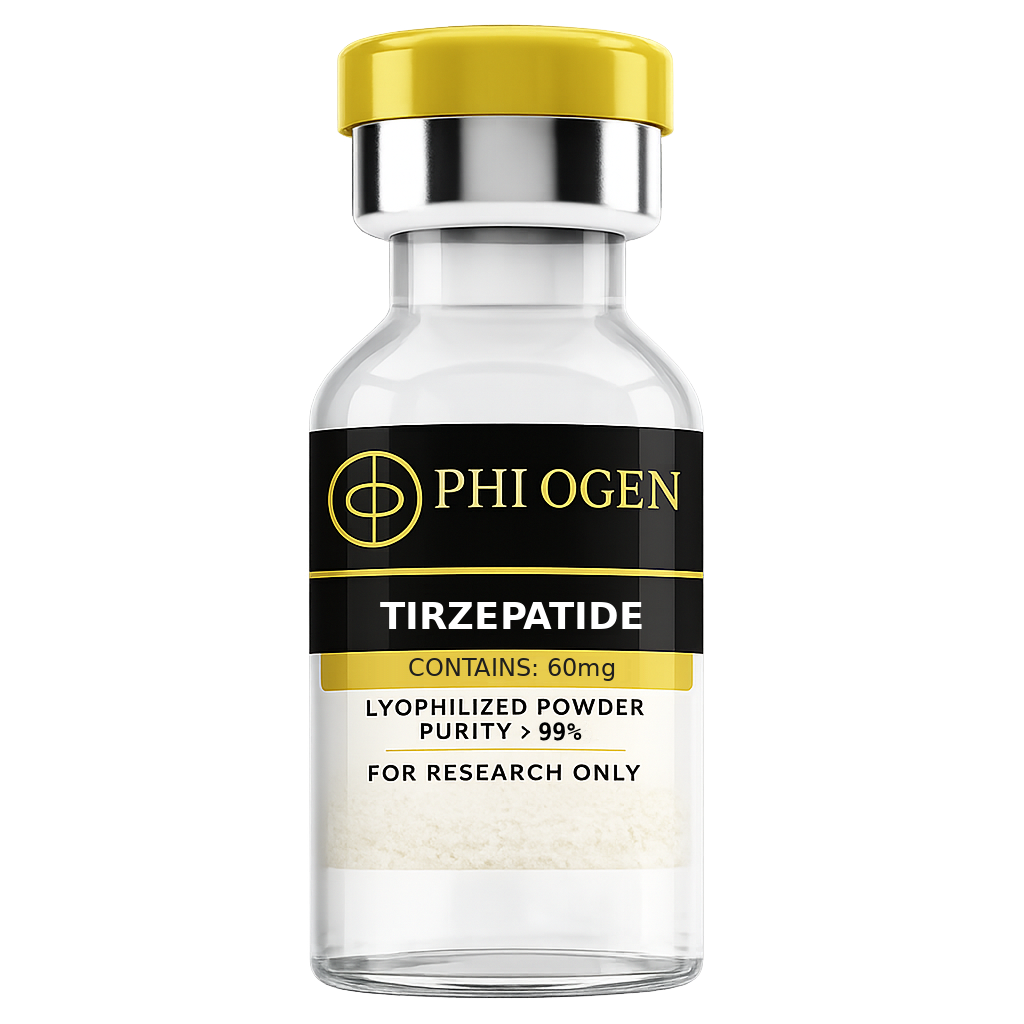
Tirzepatide 60mg
Why Most Cuts Fail Before They Finish
Almost nobody fails a cut because the arithmetic was wrong. They fail because the deficit became unbearable somewhere around week six, and adherence collapsed. Hunger rises as body fat falls — that is the body doing exactly what it evolved to do — so a cut that felt easy in week one is a different experience by week ten.
This is why cutmaxxing puts appetite regulation at the centre rather than treating it as an afterthought. Everything that makes a deficit easier to hold is worth more than a mechanism that burns a few extra calories while you are white-knuckling it. A modest, sustainable deficit finished in full beats an aggressive one abandoned at the halfway point, every time.
Which Compounds Belong on a Cut
The honest framing is that the compounds on this shelf are adherence tools. The incretin class works by slowing gastric emptying and dampening the appetite signal, which makes a given deficit feel smaller than it is. That is a real advantage, and it is also the entire mechanism — nothing here removes the need for the deficit.
The non-incretin compounds work through unrelated routes: raising energy expenditure, altering how fat is mobilised, or acting on the reward side of eating rather than the hunger side. They tend to have thinner evidence behind them and are better understood as adjuncts to a cutmaxxing protocol than as its foundation. Choosing between the two groups is mostly a question of whether appetite or expenditure is your actual constraint, and most people know which one it is.
Cutmaxxing — Common Questions
How is cutmaxxing different from just dieting?
Ordinary dieting optimises for the number on the scale. Cutmaxxing optimises for what that number is made of — the aim is for as much of the loss as possible to be fat rather than lean tissue, and for the protocol to be sustainable enough to complete.
How long should a cutmaxxing phase run?
Long enough for a moderate deficit to do its work, which for most people means a matter of months rather than weeks. The limiting factor is usually adherence rather than physiology, so the right length is the longest one you can hold consistently without the deficit collapsing.
Do you lose muscle while cutmaxxing?
Some lean mass loss during a deficit is normal, but the amount is largely under your control. High protein intake, continued resistance training and a moderate rather than aggressive deficit are what keep that share small.