7 compounds · from $53.99
Healmaxxing Peptides For Sale
Healmaxxing is the attempt to shorten recovery — from injury, from surgery, from training that outran what the body could repair. It is the shortest shelf here on purpose, because the list of repair compounds with a real evidence base is short and padding it would help nobody. The thing that makes healing hard to accelerate is that it is mostly rate-limited by blood supply and mechanical loading, neither of which responds to enthusiasm. Tendon and ligament heal slowly because they are poorly vascularised, and the most reliable intervention remains loading them correctly rather than resting them completely.
Why Some Tissue Heals Slowly
Blood supply explains most of the variance. Muscle is richly vascularised and repairs quickly. Tendon, ligament and cartilage are not, and they heal on a timescale of months because nutrients and repair cells simply arrive more slowly. No compound rewrites that.
This is why healmaxxing timelines that promise weeks for connective tissue should be treated with suspicion. It is also why the interventions that work best are the ones that improve delivery — loading that drives circulation through the tissue, and not immobilising something for longer than the acute phase requires.
Which Compounds Target Which Tissue
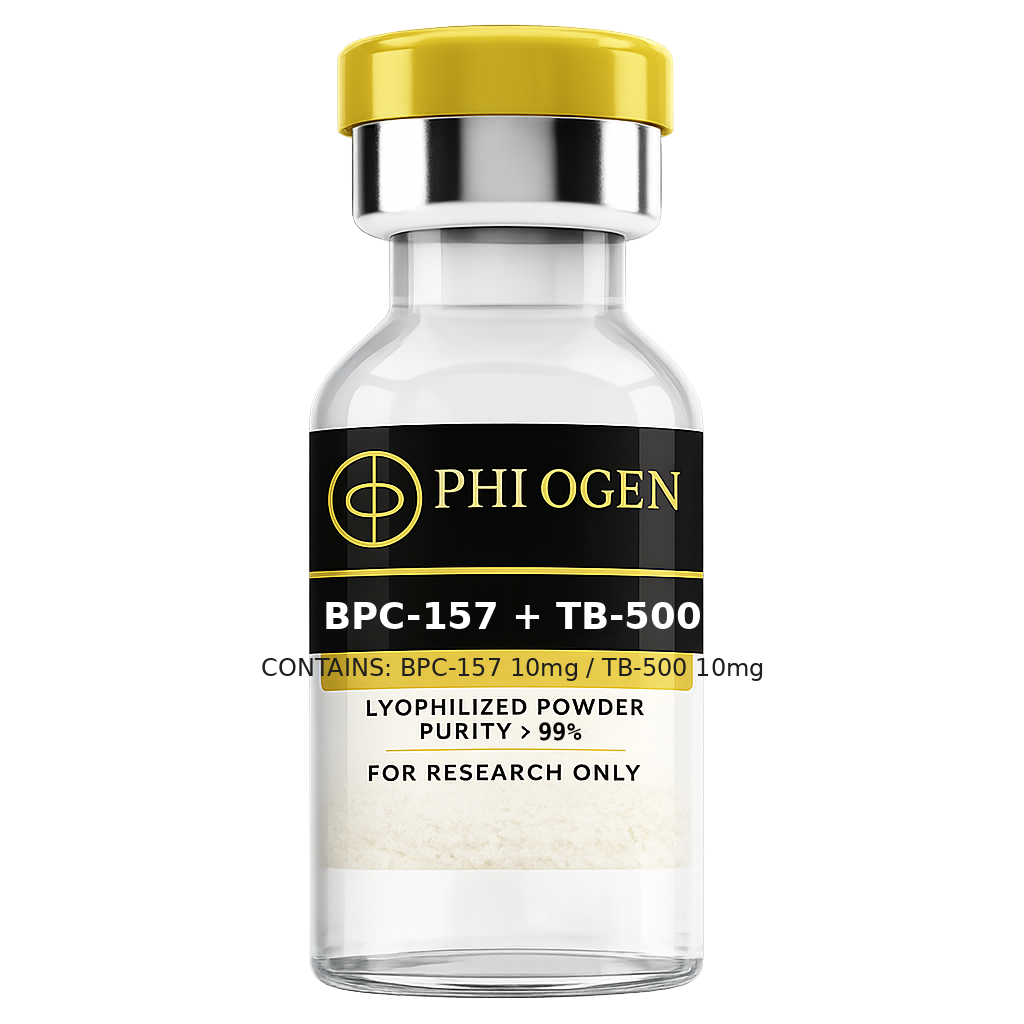
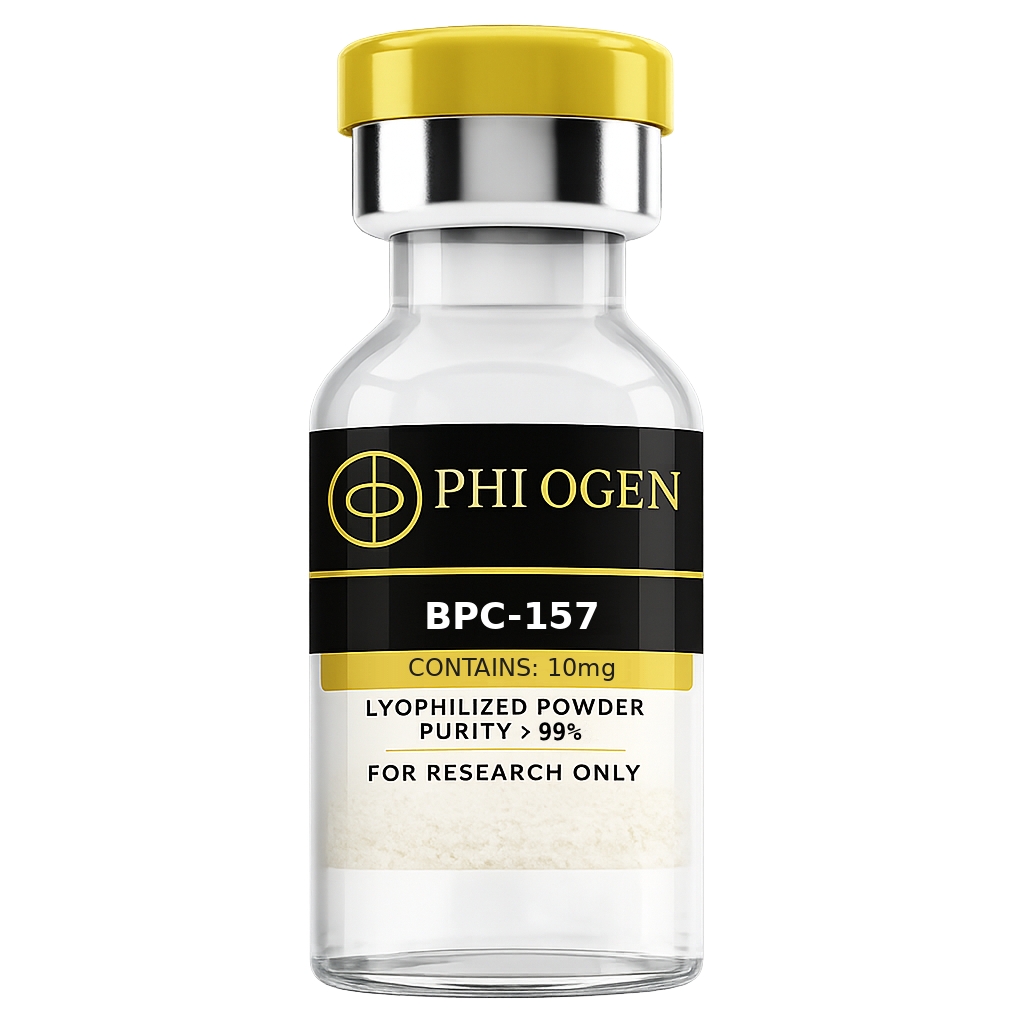
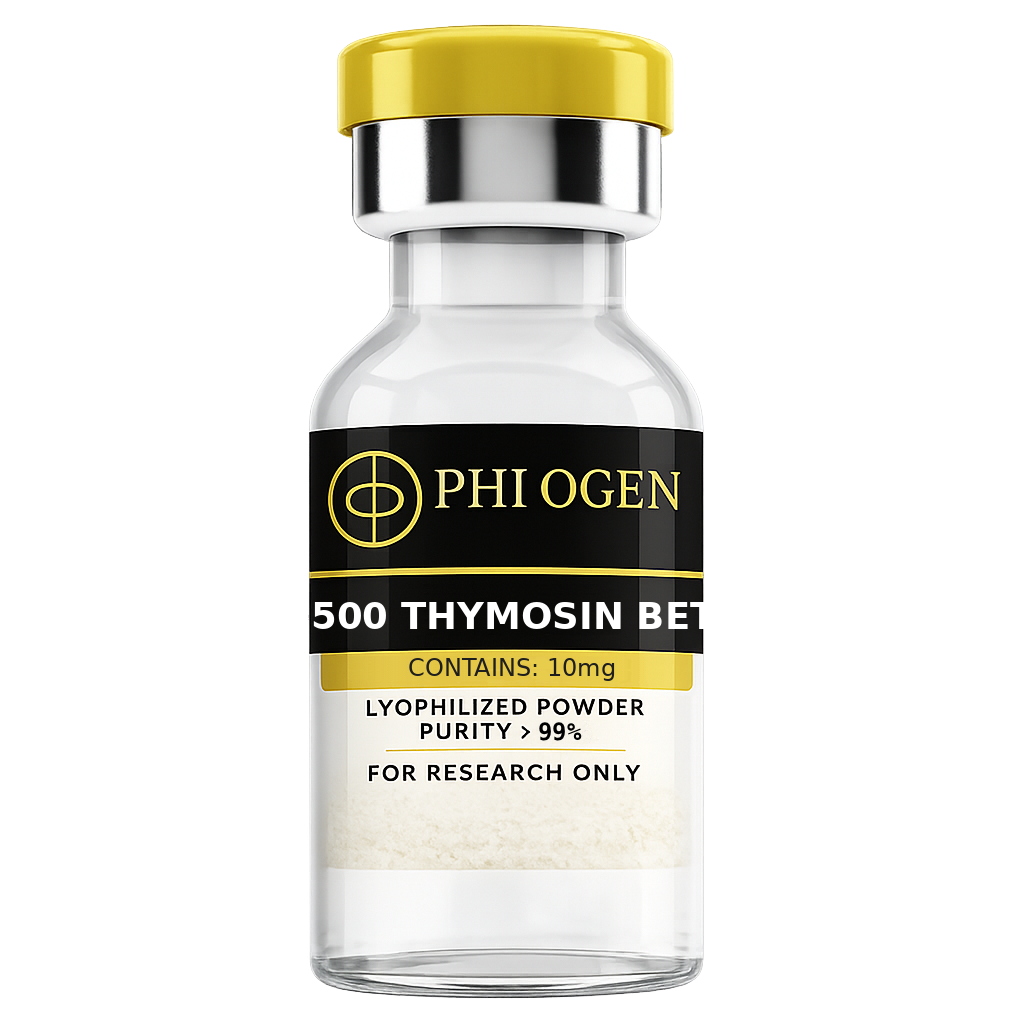
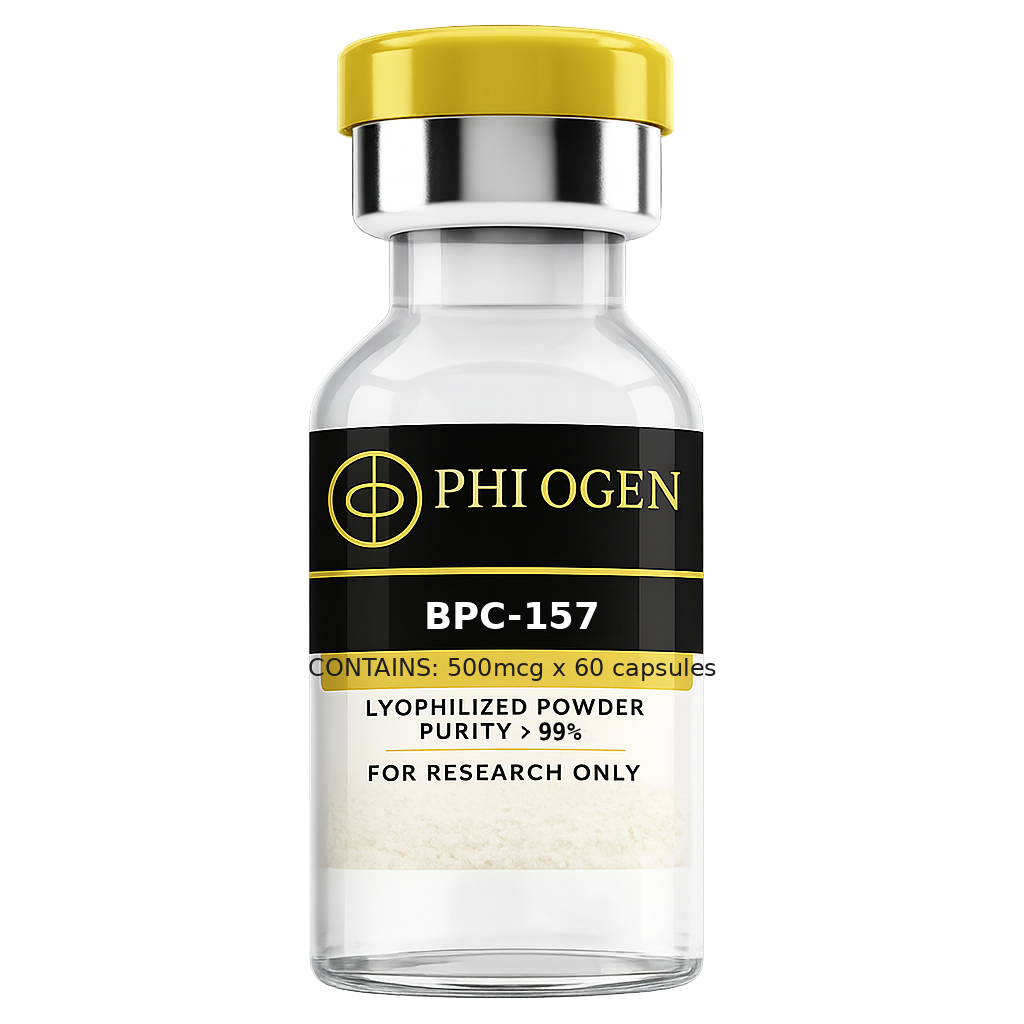
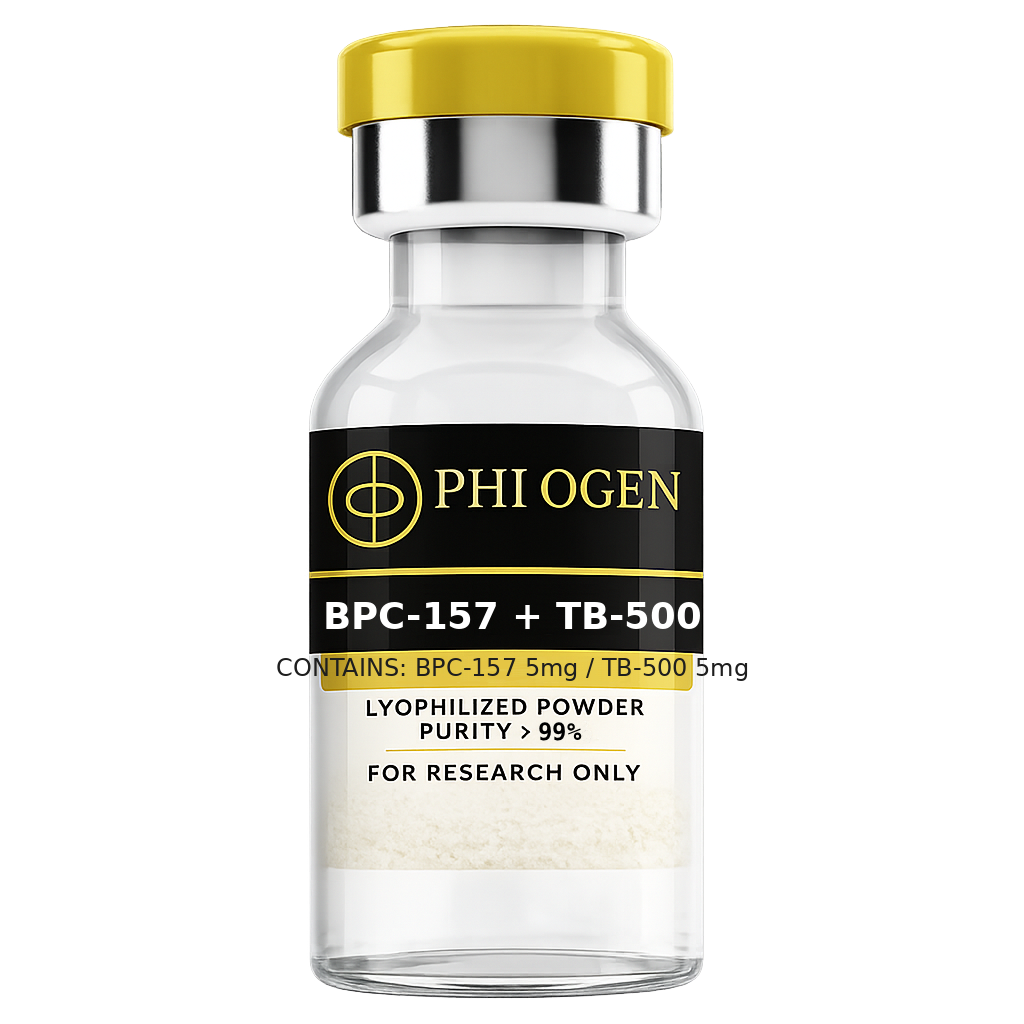
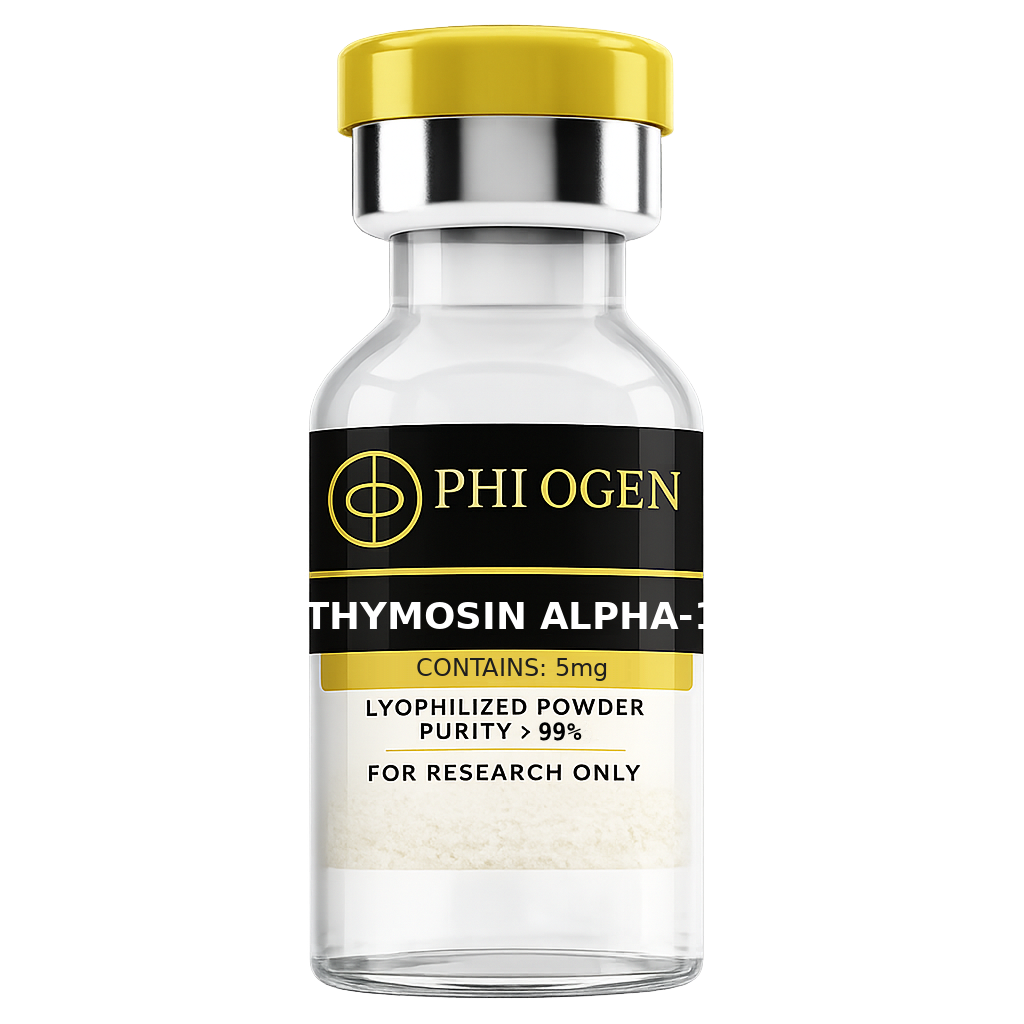
The repair peptides on this shelf are studied for angiogenesis, cell migration and tissue remodelling — plausible mechanisms for the delivery problem described above, and the preclinical volume behind the main one is substantial. That said, the record is overwhelmingly animal work, and human trials of the kind that would settle the question mostly do not exist.
The honest position is that these are the most interesting compounds in the catalogue for recovery and simultaneously the ones where the gap between preclinical promise and proven human outcome is widest. They belong alongside correct loading, not instead of it.
Healmaxxing — Common Questions
Can you speed up healing?
The timeline can be influenced but not skipped. Graded loading, adequate protein and energy, and sufficient sleep all measurably affect recovery. Poorly vascularised tissue like tendon and ligament still heals over months regardless.
Is rest good for healmaxxing?
Only briefly. Rest suits the acute phase, but prolonged immobilisation weakens tissue and produces a worse-organised repair. Progressive loading is what signals the tissue to remodel usefully.
Do healing peptides work?
The mechanisms studied — angiogenesis, cell migration, tissue remodelling — are plausible and the preclinical volume behind the main compound is large. Human trial evidence is thin, so they are best treated as promising rather than proven.