22 compounds · from $40.50
Youthmaxxing Peptides For Sale
Youthmaxxing splits into two projects that people routinely confuse: how old you look and how well you are ageing. They are related but not the same, and the interventions that move one often do nothing for the other. Skin responds to sun exposure, sleep and topical work on a timescale of months, while the cellular side — mitochondrial function, senescent cell burden, tissue maintenance — moves over years and resists being measured at all. This shelf carries the widest spread of evidence quality on the site, from compounds with decades of clinical record to preclinical research that should be read as exactly that.
Epitalon 50mg
GHK-Cu 50mg
NAD+ 1000mg
MOTS-c 20mg
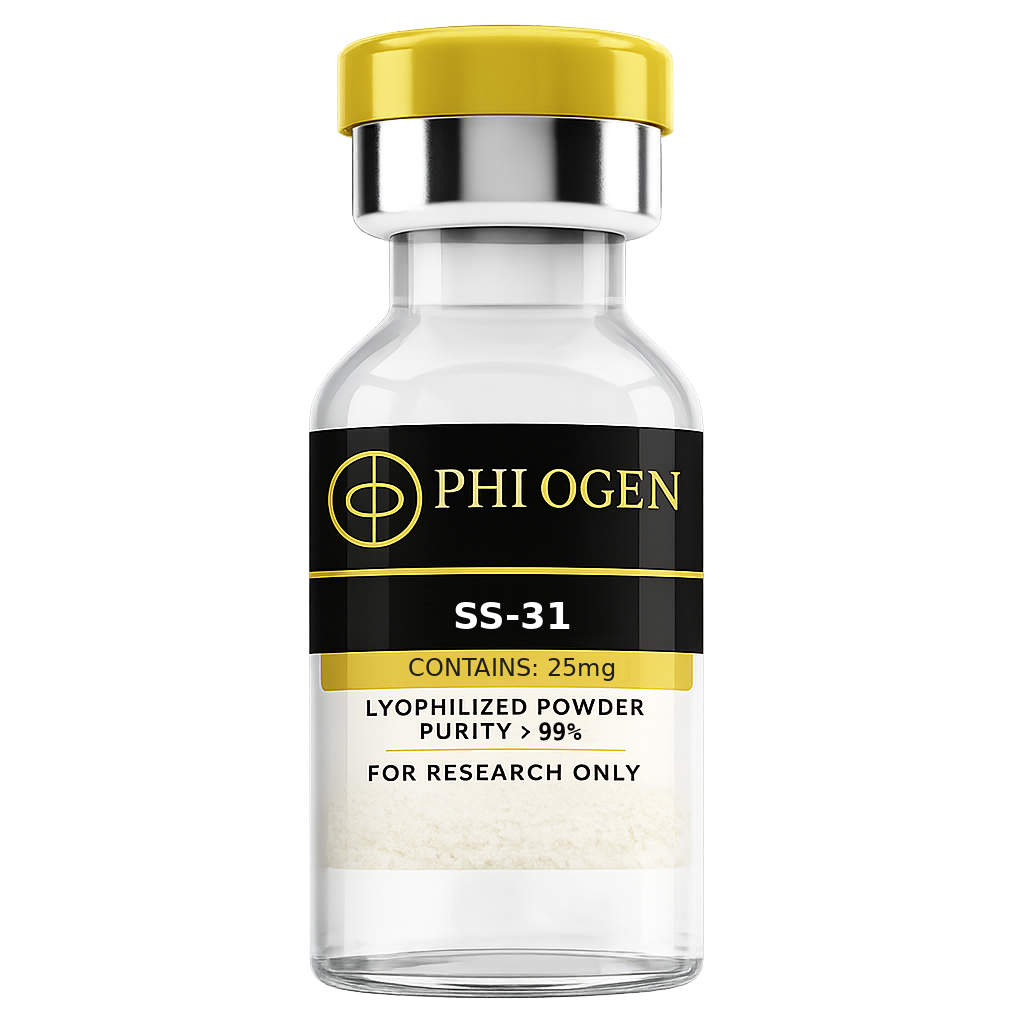
SS-31 25mg
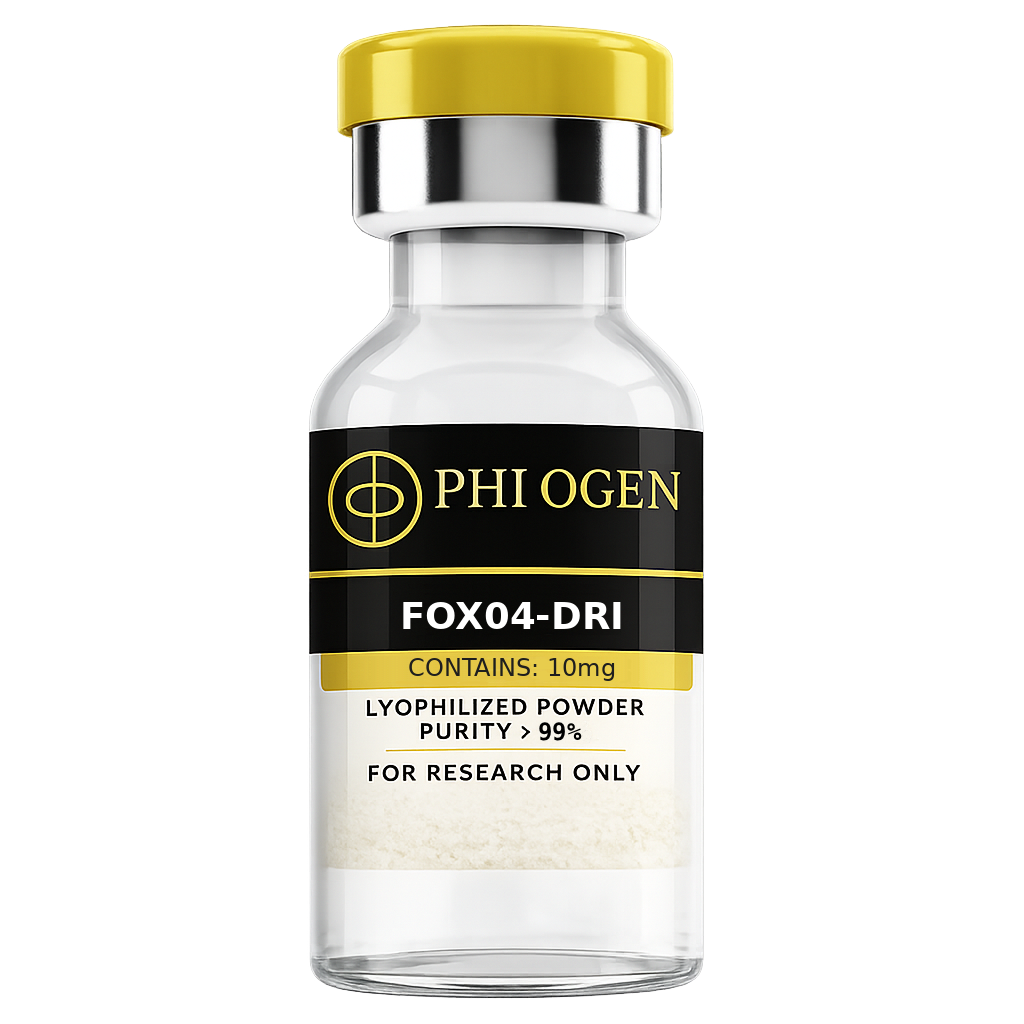
FOXO4-DRI 10mg
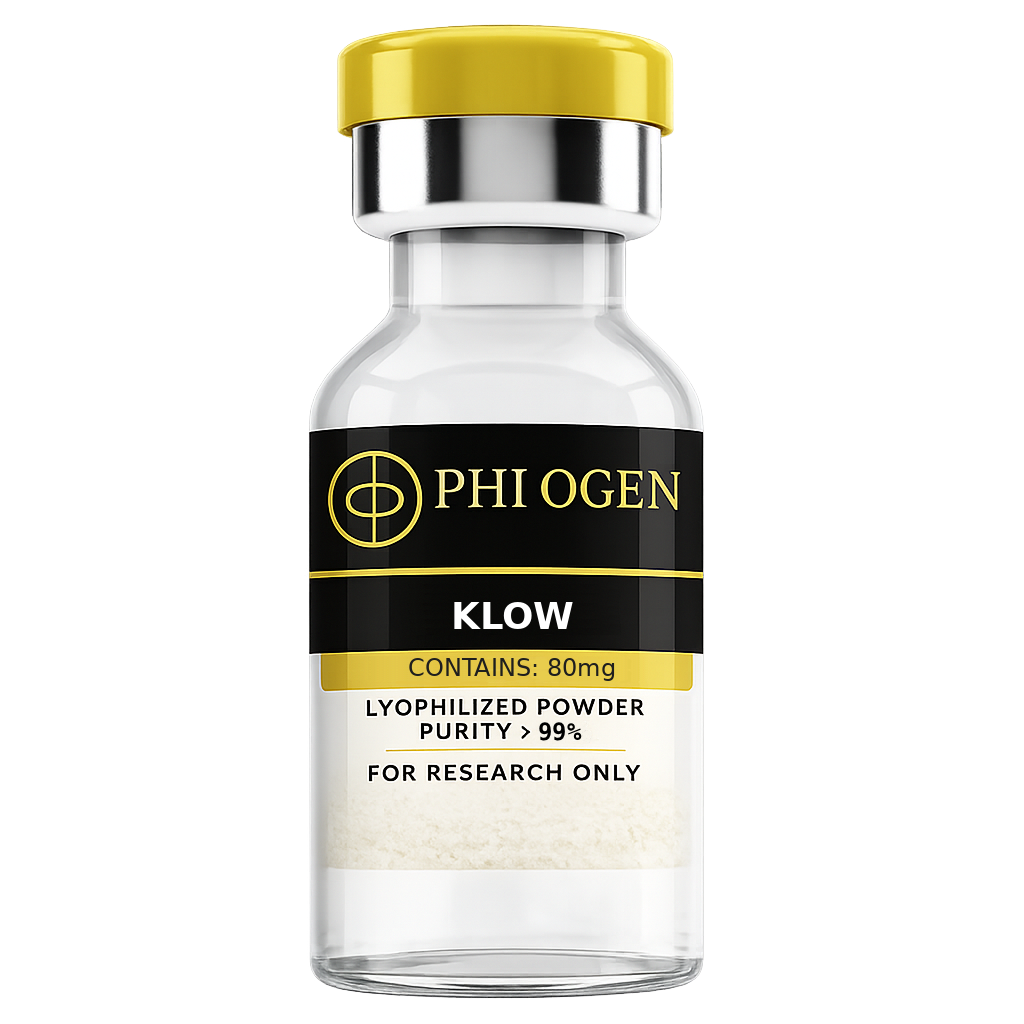
KLOW Blend 80mg
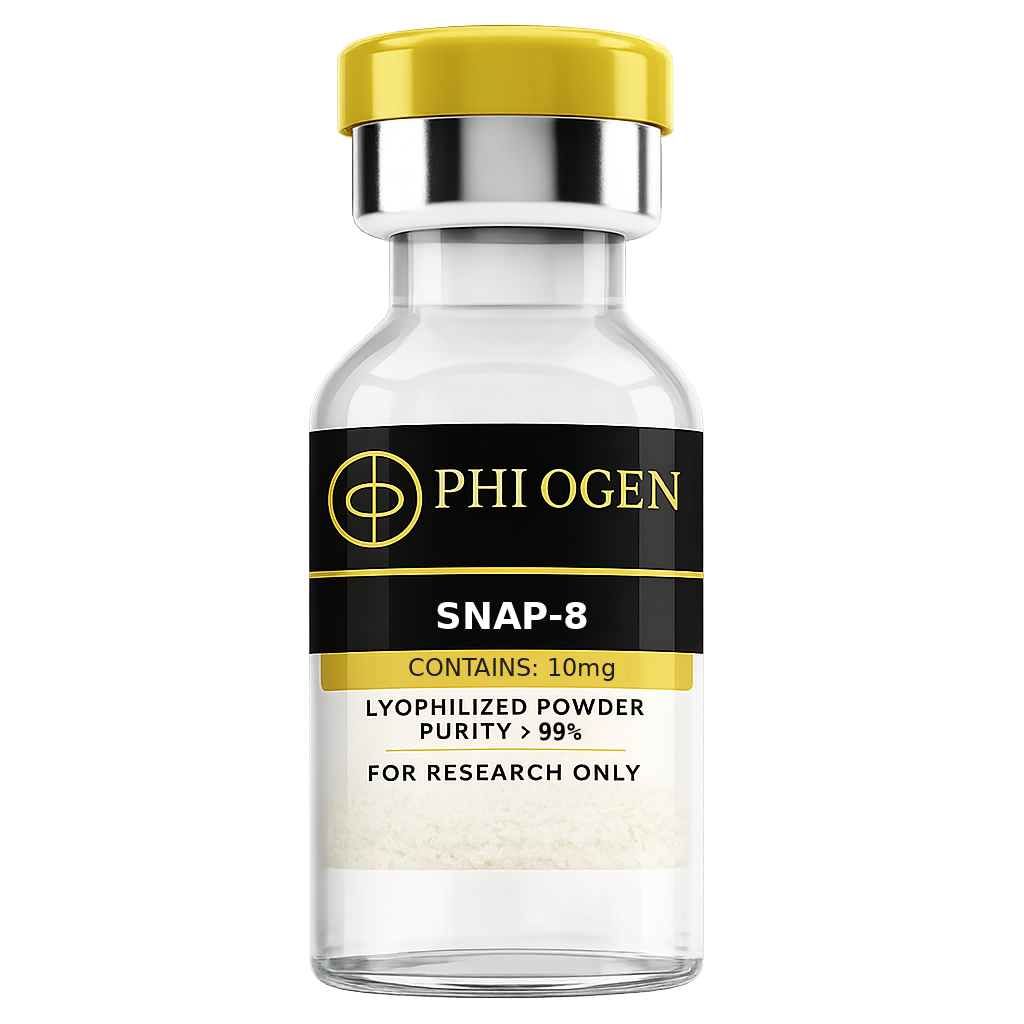
SNAP-8 10mg
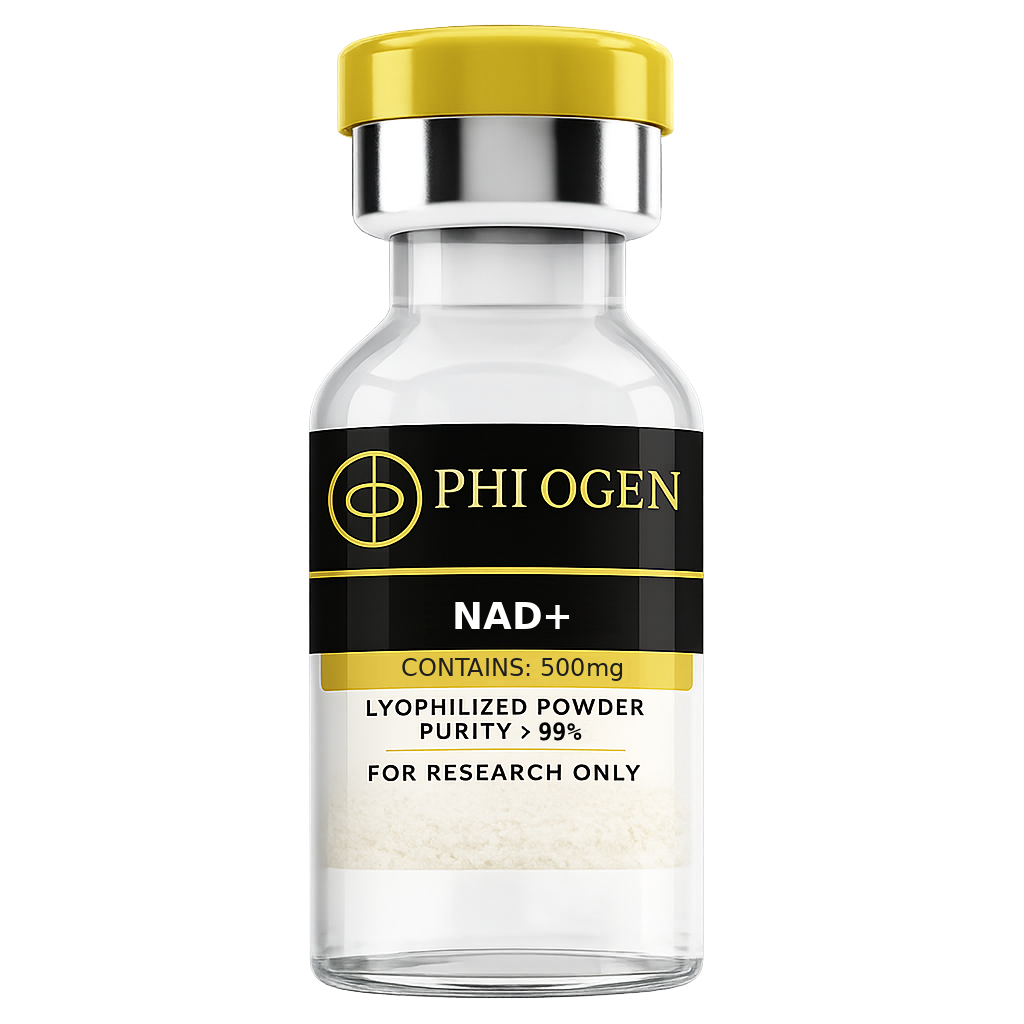
NAD+ 500mg
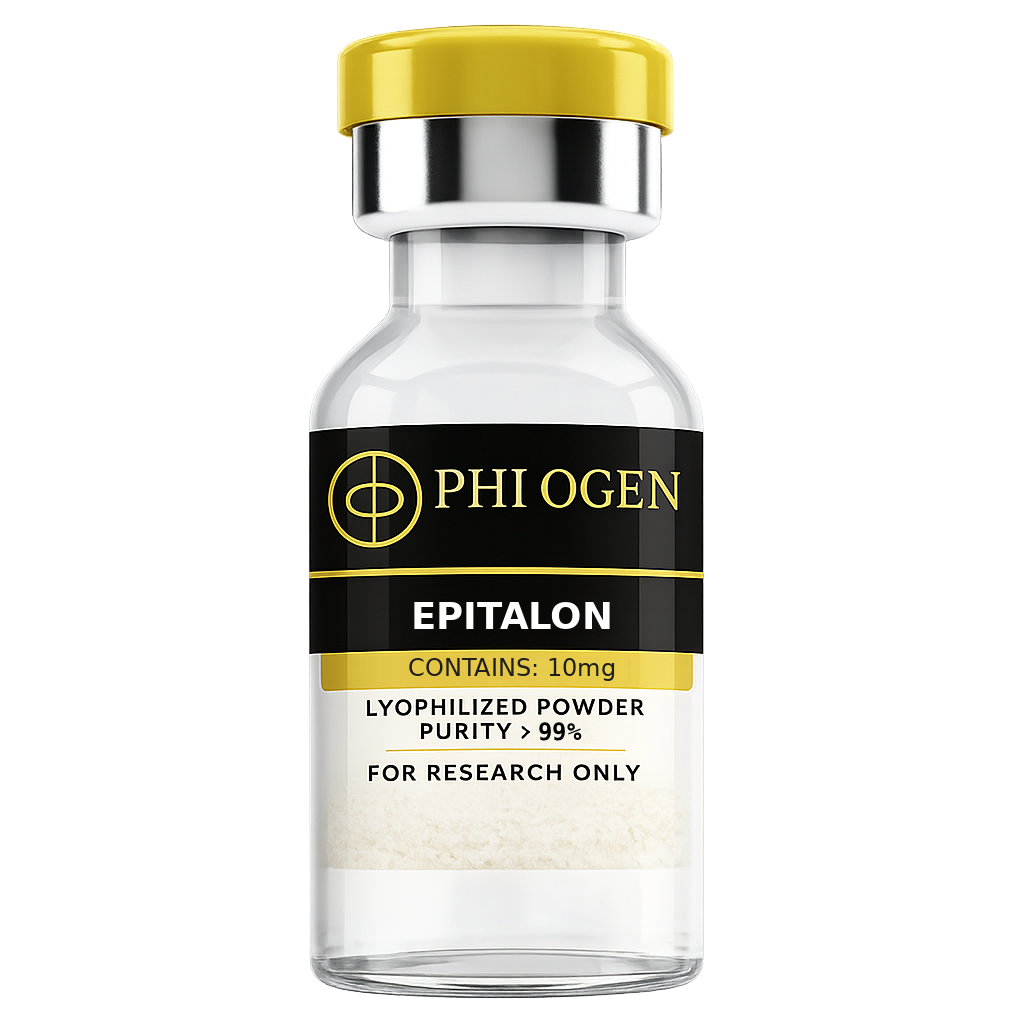
Epitalon 10mg
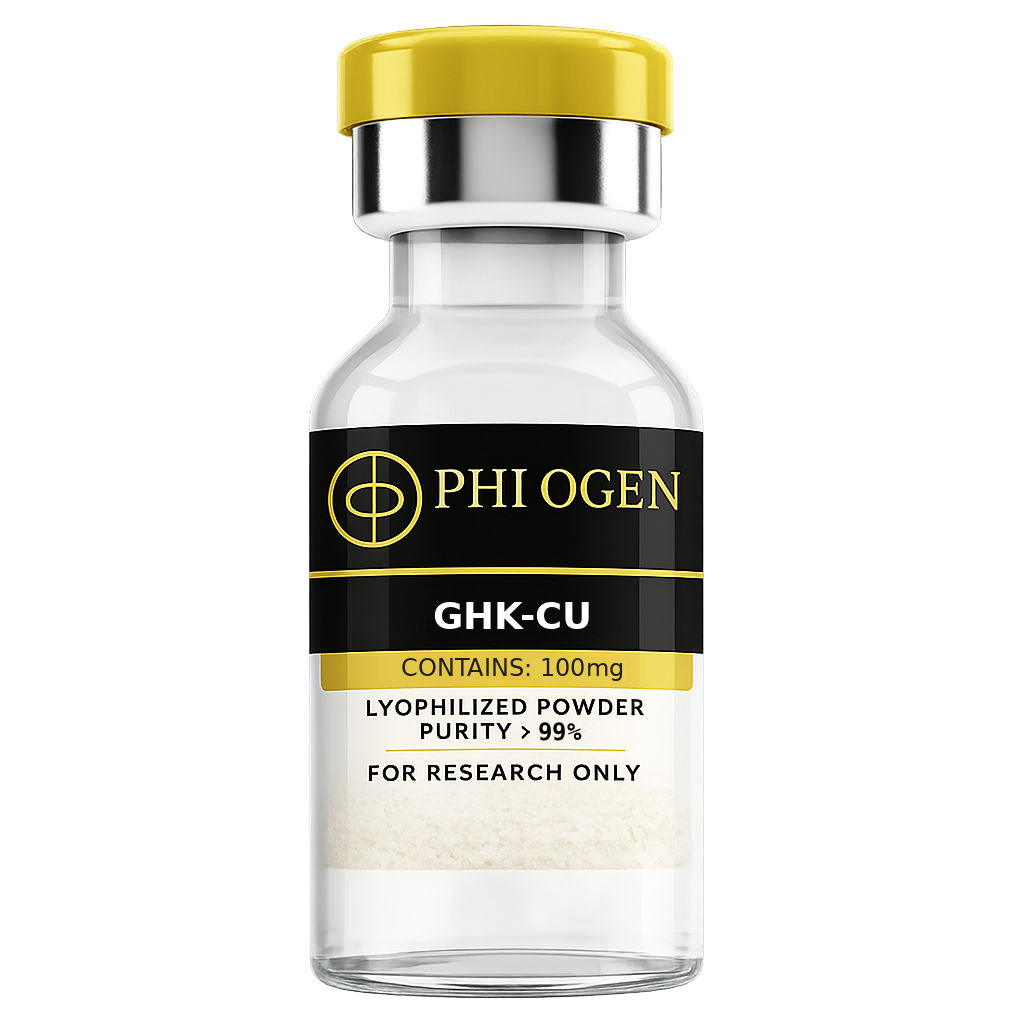
GHK-Cu 100mg
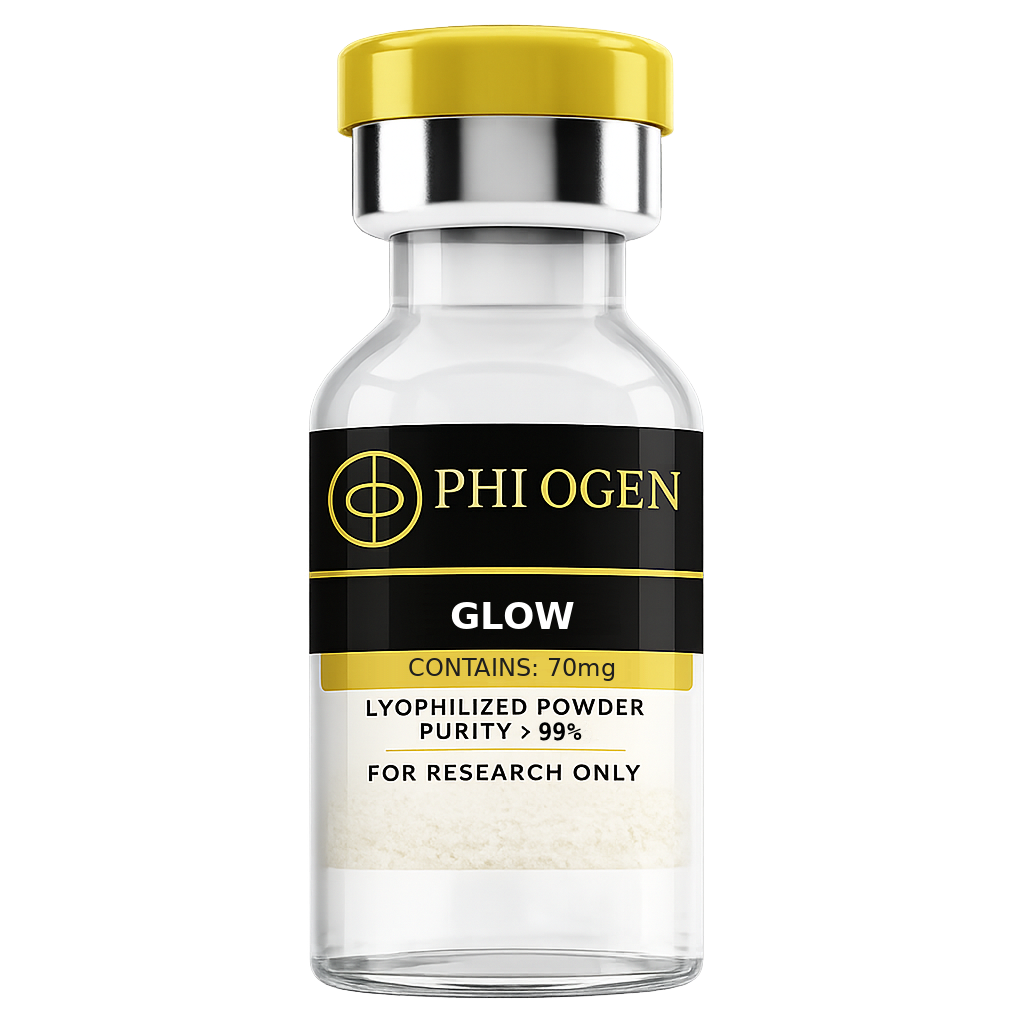
GLOW Blend 70mg
MOTS-c 10mg
MOTS-c 40mg
Melanotan I 10mg
Melanotan II 10mg
NA-Epitalon 10mg
SS-31 10mg
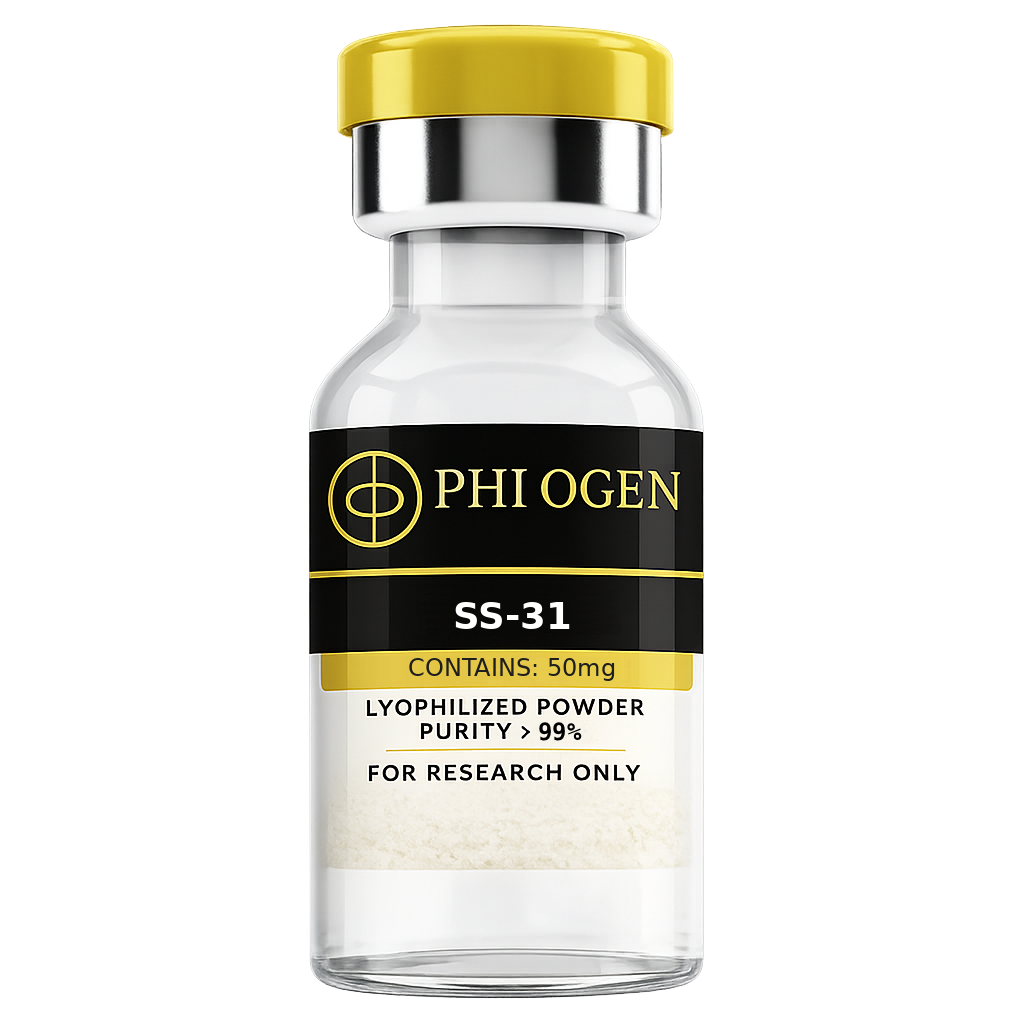
SS-31 50mg
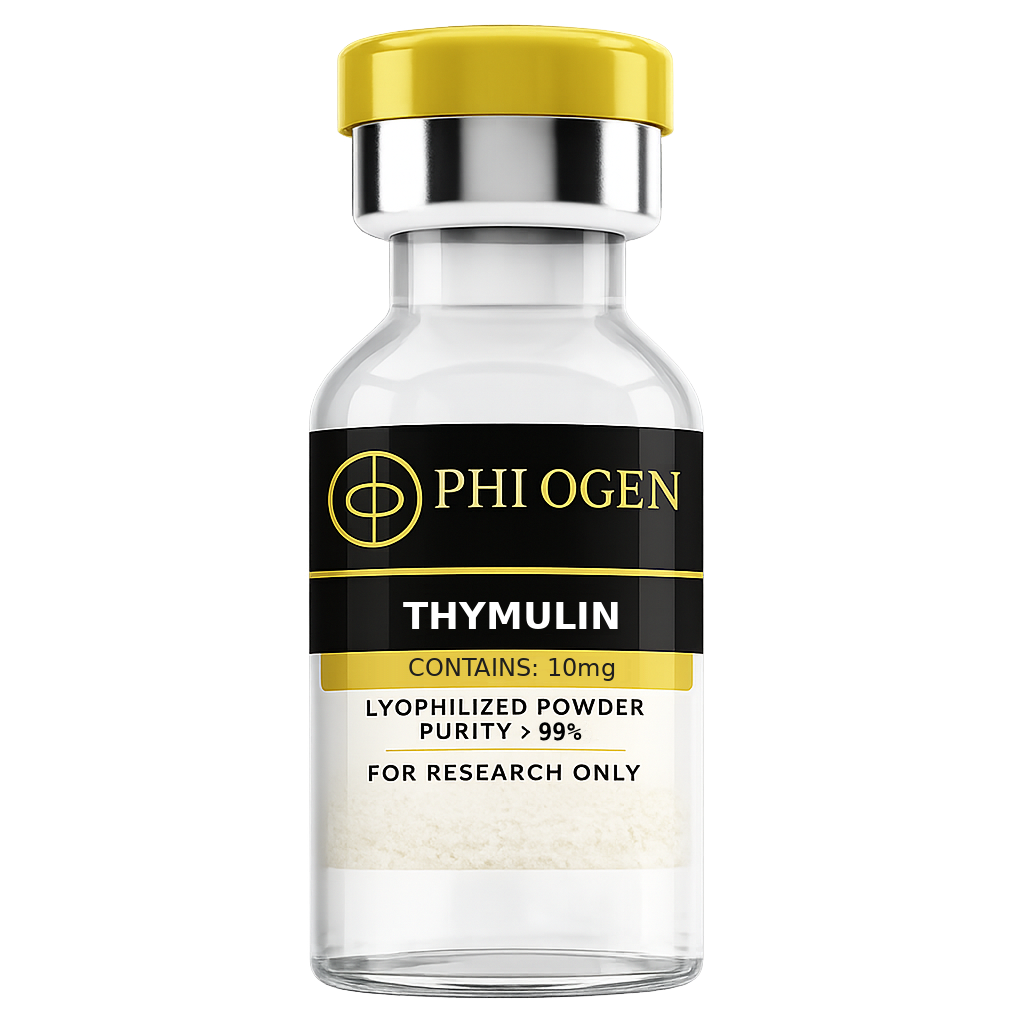
Thymulin 10mg
The Two Halves and Why They Get Confused
Looking younger is largely a dermatological and structural problem: collagen density, pigment evenness, subcutaneous fat distribution, hair. Ageing well is a physiological one: cardiovascular fitness, insulin sensitivity, muscle mass retained into later decades, cognitive maintenance.
The compounds that plausibly affect the second do not necessarily show up in a mirror, and this is where youthmaxxing protocols tend to disappoint. Someone running a longevity stack and judging it by their reflection after eight weeks is measuring the wrong thing with the wrong instrument on the wrong timescale.
Which Compounds Target Which Half
The internal side of this shelf targets mitochondrial function, cellular senescence and tissue-level regulatory signalling. The mechanisms are plausible and in several cases the preclinical work is genuinely interesting, but almost none of it has the kind of long human outcome data that would let anyone promise a result.
The external side is on firmer ground. Copper-peptide dermatology has a deeper and more replicated record than most of what gets sold for skin, and effects there are at least visible and verifiable on a human timescale. If you want youthmaxxing that you can actually evaluate, the aesthetic half is where feedback exists.
Youthmaxxing — Common Questions
Does youthmaxxing actually work?
The behavioural side is well established — sun protection, sleep, glycaemic control and retained muscle mass demonstrably affect how people age. The compound side ranges from mechanisms with decent dermatological records to preclinical research that should be treated as unproven.
How long before youthmaxxing shows results?
Skin and hair changes are visible over months. The internal side, if it does anything, works on a timescale of years and cannot be honestly evaluated by how you look after a short protocol.
What is the difference between youthmaxxing and anti-aging?
Largely framing. Anti-aging is usually marketed around appearance; youthmaxxing as a term tends to include the physiological side — fitness, metabolic health and muscle retention — alongside the cosmetic one.