9 compounds · from $44.99
Mindmaxxing Peptides For Sale
Mindmaxxing is the attempt to raise cognitive output — attention, memory, mood stability, the capacity to think hard for long stretches — and it runs into a problem the physical maxxing goals do not. There is no bathroom scale for cognition. Almost everything people report is filtered through the same brain that is supposedly being altered, which makes subjective improvement close to worthless as evidence. What survives that scrutiny is unglamorous: sleep, aerobic fitness and stress load explain far more day-to-day variance than anything on this shelf, and a compound stacked on four hours of sleep is a rounding error.
PE-22-28 10mg
Selank 10mg
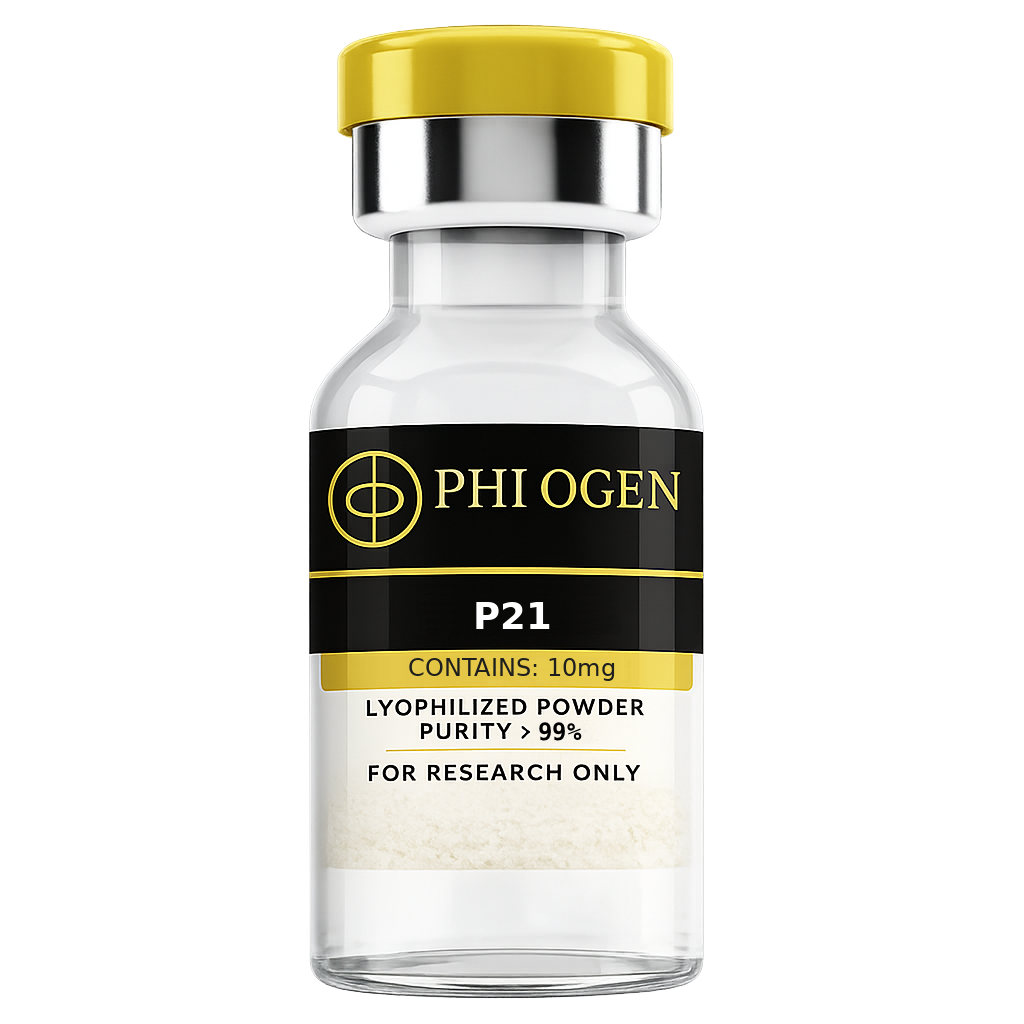
The Measurement Problem at the Centre of It
Cognition is uniquely resistant to self-assessment. Stimulants make people feel sharper while degrading judgement, novelty produces a temporary lift that fades, and expectation alone generates a substantial and well-documented response. All three feel identical from the inside to a real effect.
This is why serious mindmaxxing means measuring something external. A repeatable task with a score — reaction time, n-back, a work output metric you already track — beats any amount of introspection about whether today felt clearer. Without that, you cannot distinguish an effective protocol from an expensive placebo.
Which Compounds Act on Which System
The peptides on this shelf are unusual in the nootropics space because several of them came out of organised state research programmes with genuine clinical records — just records concentrated in one language and one research tradition, with sparse independent replication outside it. That is a real evidence base with a real caveat, and both halves of that sentence matter.
They are also short peptides, which creates a delivery problem: serum half-lives measured in minutes and a blood-brain barrier to cross. That constraint explains why stabilised analogues and intranasal administration exist here, and why route matters more on this shelf than on any other in the catalogue.
Mindmaxxing — Common Questions
Does mindmaxxing work?
The behavioural side is well supported: sleep, exercise and stress management measurably affect cognition. The compound side is harder to evaluate because cognitive effects are difficult to measure objectively and expectation produces a large response on its own.
How do you measure mindmaxxing results?
With something external and repeatable — reaction time, an n-back task, or a work output metric you already track. Self-report is unreliable here because the instrument doing the assessing is the thing being altered.
Are these compounds injected or taken intranasally?
It varies by compound, and route matters more on this shelf than elsewhere because short peptides have to survive serum enzymes and cross the blood-brain barrier. Check the administration route on each individual compound page.