Gut Health Peptides
Peptides studied for gastrointestinal protection, gut mucosal repair, and digestive system research.
How It Works
Molecular mechanisms behind gut health peptides research
Gastric Mucosal Cytoprotection
BPC-157 upregulates cytoprotective gene expression in gastric mucosal epithelial cells, strengthening tight junctions and gut barrier integrity. Protects against ethanol, NSAID, and ischemia-induced mucosal damage in preclinical models. No minimum toxic dose identified across 36+ published studies.
VEGFR2 / Angiogenesis in GI Tissue
The same VEGFR2 → PI3K → Akt → eNOS cascade that drives wound healing also regenerates mucosal vasculature. New capillary formation supports nutrient supply to epithelial cells and accelerates mucosal repair following ulceration, inflammation, or surgical stress.
Enteric Nervous System Modulation
BPC-157 influences serotonin and dopamine signaling in the gut's intrinsic nervous system. This modulates motility, reduces nausea signaling, and may counteract GLP compound-induced gastroparesis — the primary reason BPC-157 is paired with GLP agonists like Retatrutide in recovery stacks.
Gut Health Peptides: Research Overview
Gastrointestinal research has identified BPC-157 as a particularly significant peptide due to its origins in gastric juice and its demonstrated effects on gut mucosal integrity.
Key Peptides
BPC-157 (Body Protection Compound) BPC-157 derives from a protective protein found in human gastric juice, making it uniquely relevant to gut health research. Studies have demonstrated its effects on:
- Gastric mucosal protection and repair
- Intestinal anastomosis healing
- Inflammatory bowel disease models
- Gut-brain axis interactions
- Esophageal damage repair
- Stomach ulcer healing
- Colon inflammation reduction
GLP-1 Agonists and Gut Function Semaglutide, Tirzepatide, and Retatrutide all interact with GLP-1 receptors in the gastrointestinal tract. Research has explored their effects on gastric emptying, gut motility, and intestinal hormone signaling.
Research Applications
- Mucosal protection and repair
- Inflammatory bowel disease models
- Gut-brain axis studies
- Gastric emptying and motility
- Intestinal barrier function research
Key Research
Published studies underpinning gut health peptides
Sikiric P. et al.
BPC-157 prevented anastomotic dehiscence (gut fistula formation) and accelerated intestinal repair in rat models. No minimum toxic dose identified — stable across all dose ranges tested.
Gwyer D. et al.
Review of BPC-157 in gastrointestinal research: cytoprotective effects across esophagus, stomach, small intestine, and colon. VEGFR2 upregulation consistently identified as primary pro-healing mechanism.
Sikiric P. et al.
BPC-157 modulated the brain-gut axis in multiple models — normalizing dopamine and serotonin activity, protecting against NSAID-induced mucosal damage, and counteracting GLP-1 agonist GI side effects.
Research Protocols
Suggested compound combinations for gut health peptides research
GI Repair Protocol
BPC-157 for gastric mucosal cytoprotection, VEGFR2 angiogenesis in GI tissue, and enteric nervous system modulation. The primary tool in GI repair and gut health research — 36+ published studies, no identified toxic dose.
GLP + GI Stack
GLP-1 agonists cause significant GI stress (nausea, gastroparesis). BPC-157 directly counteracts this via mucosal protection and enteric NS modulation. Essential for any GLP research protocol.
Research-Grade Gut Health Peptides
>98% purity, third-party tested. Free shipping on orders over $200.
Gut Health Peptides — Available Products
Research-grade compounds from Clav Tides. >98% purity, CoA on request.
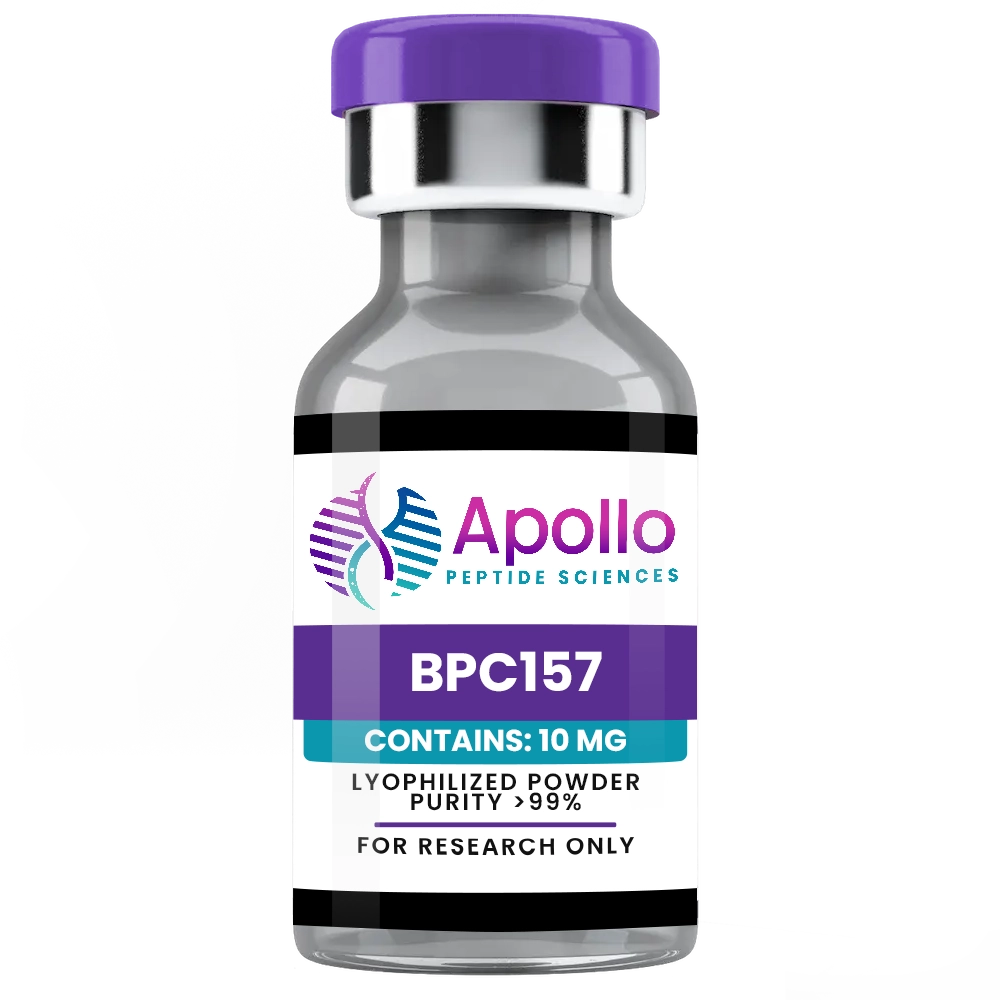
BPC157 10mg
A synthetic 15-amino acid peptide derived from Body Protection Compound. Supplied as lyophilized powder for research applications.
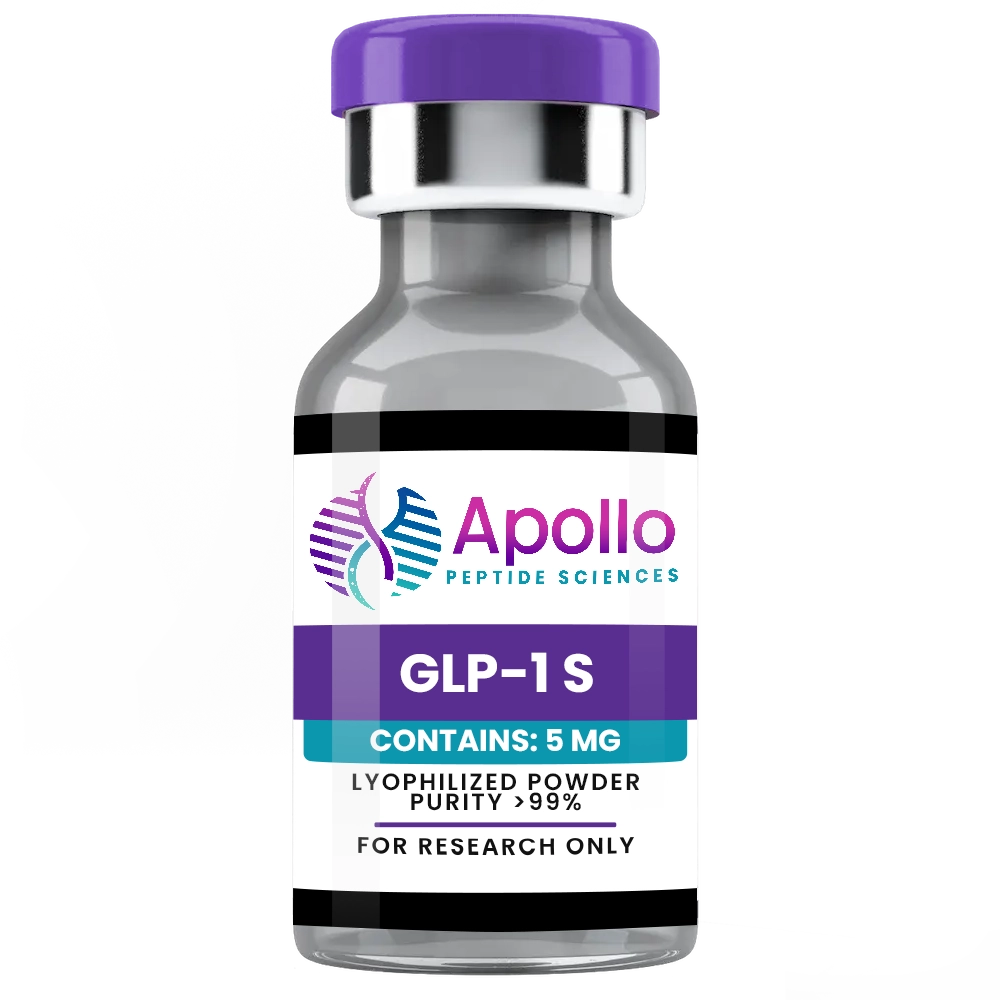
GLP-1 S 5mg
Synthetic peptide derivative structurally derived from human glucagon-like peptide-1 (GLP-1), modified to enhance stability. Supplied as lyophilized powder for laboratory research applications.
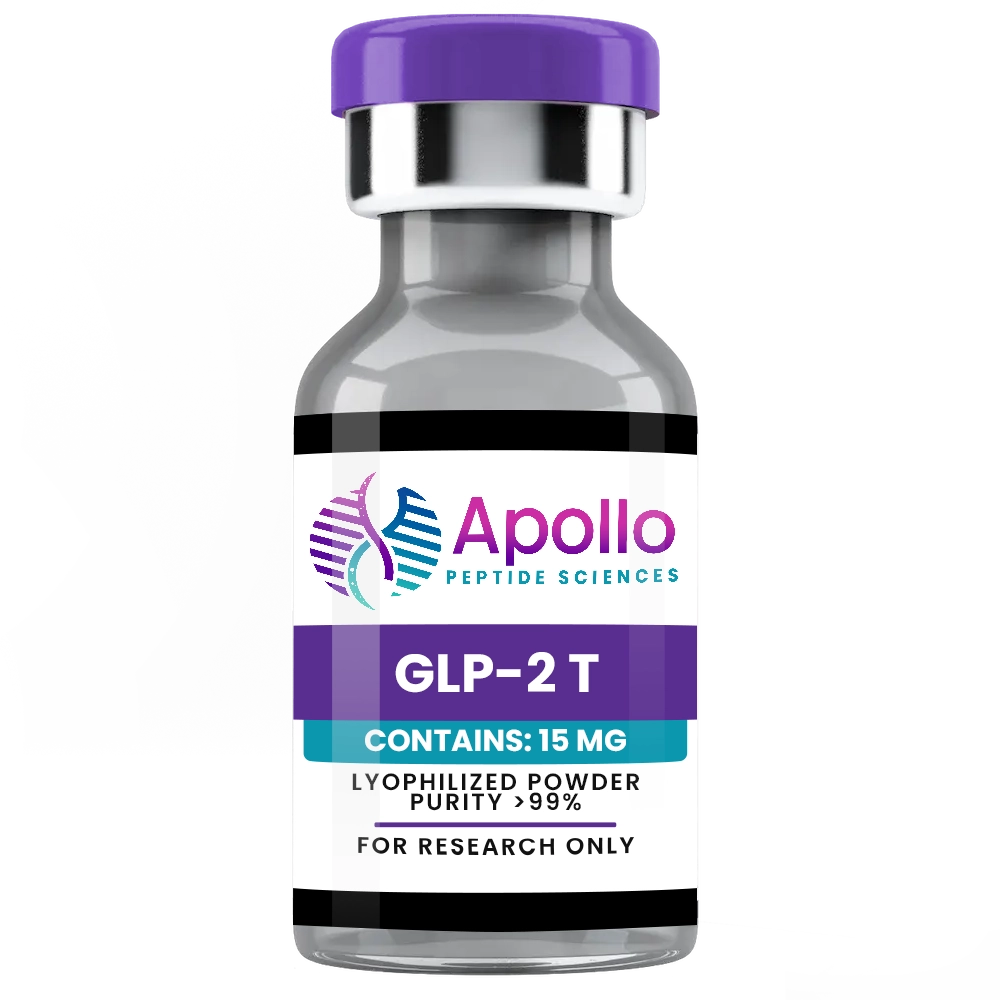
GLP-2 T 15mg
Tirzepatide is a synthetic multi-receptor peptide analog consisting of 39 amino acids with lipidation to enhance stability. Supplied as a lyophilized powder for laboratory research applications.
Research Guides
Deep-dive guides for gut health peptides compounds
Guide
What Are Peptides? Complete Beginner's Guide
Everything you need to know about research peptides — from basic chemistry to modern applications in scientific research.
Read guideGuide
How to Reconstitute Peptides: Step-by-Step Guide
A detailed guide on properly reconstituting lyophilized research peptides with bacteriostatic water for laboratory use.
Read guideGuide
Peptide Stacking Guide: Combining Research Peptides
Learn the science behind combining multiple research peptides for synergistic effects in laboratory research applications.
Read guideRelated Research
Articles and breakdowns for gut health peptides
12 min read
Retatrutide vs Tirzepatide vs Semaglutide: The Complete Head-to-Head Comparison
Phase 3 trial data compared: −28.7% vs −22.5% vs −17% weight loss. Here's what the numbers actually mean and why receptor count matters.
Read more22 min read
Best Peptides for Weight Loss in 2026
A comprehensive comparison of Semaglutide, Tirzepatide, and Retatrutide — the three leading GLP-1 receptor agonists being researched for metabolic and weight management applications.
Read more18 min read
BPC-157 vs TB-500: Complete Comparison
An in-depth comparison of two of the most popular healing peptides in research — BPC-157 (Body Protection Compound) and TB-500 (Thymosin Beta-4 Fragment).
Read moreLooking for Clavicular's Looksmaxxing Stack?
See which peptides Clavicular uses in his viral looksmaxxing transformation — Retatrutide, BPC-157, and more.
Frequently Asked Questions
Why is BPC-157 significant for gut research?
BPC-157 is derived from a naturally occurring protein in human gastric juice. It is stable in stomach acid and has been extensively studied for gastrointestinal mucosal protection and repair in over 100 published research papers.
How do GLP-1 agonists affect the gut?
GLP-1 receptor agonists like Semaglutide and Tirzepatide interact with GLP-1 receptors throughout the gastrointestinal tract, affecting gastric emptying, gut motility, and intestinal hormone signaling pathways.
Shop Gut Health Peptides
Research-grade gut health peptides from Clav Tides. Third-party tested, >98% purity guaranteed.