Sleep & Circadian Peptides
Peptides researched for their effects on sleep quality, circadian rhythm regulation, and related hormonal pathways.
How It Works
Molecular mechanisms behind sleep & circadian peptides research
Circadian GH Pulse (CJC-1295/Ipa)
Approximately 70% of daily GH secretion occurs during slow-wave (deep) sleep — released in pulses corresponding to GHRH bursts from the hypothalamus. CJC-1295 + Ipamorelin amplifies this nocturnal GH pulse by simultaneously engaging GHRH receptors and GHSR-1a (ghrelin receptor), maximizing overnight GH and downstream IGF-1.
GHRH Receptor Half-Life Extension
Standard GHRH analogs have very short half-lives (~minutes). CJC-1295's DAC (drug affinity complex) uses a Michael addition reaction to covalently bind albumin in plasma, extending active half-life to 6–8 days. This enables weekly dosing with sustained GH elevation — important for consistent sleep/recovery optimization.
Selective GH Release (Ipamorelin)
Unlike GHRP-2 or GHRP-6, Ipamorelin stimulates GH release with high selectivity — minimal cortisol, prolactin, or ACTH elevation. This selectivity makes it preferred for research into GH augmentation without confounding hormonal side effects.
Sleep & Circadian Peptides: Research Overview
Several research peptides interact with pathways that regulate sleep architecture and circadian rhythms. Growth hormone secretion, which occurs primarily during deep sleep, is a key area of peptide research.
Key Connections
CJC-1295/Ipamorelin and Sleep Growth hormone releasing peptides stimulate GH secretion, which naturally peaks during slow-wave sleep. Research with GHRH analogs like CJC-1295 and ghrelin mimetics like Ipamorelin has explored their effects on sleep architecture and GH pulsatility during sleep cycles.
Epithalon and Circadian Rhythm Epithalon's research origins relate to the pineal gland, which produces melatonin — the primary hormone regulating circadian rhythms. Studies have examined Epithalon's effects on pineal function and melatonin production in aging models.
Research Applications
- Growth hormone pulsatility during sleep
- Circadian rhythm regulation
- Pineal gland function
- Sleep architecture studies
- Melatonin pathway research
Key Research
Published studies underpinning sleep & circadian peptides
Teichman S.L. et al.
CJC-1295 (GHRH analog) produced sustained GH elevation for 6+ days and IGF-1 elevation for 9–11 days in healthy adults — validating once-weekly dosing for amplifying the nocturnal GH pulse.
Raun K. et al.
Ipamorelin selectively released GH via GHSR-1a with no cortisol, prolactin, or ACTH elevation — the first GHRP with a clean safety profile, preferred for circadian sleep-GH research.
Van Cauter E. et al.
Demonstrated that 70% of daily GH secretion occurs during slow-wave sleep, with peak amplitude in the first few hours of the night. Sleep deprivation significantly suppresses GH output.
Research Protocols
Suggested compound combinations for sleep & circadian peptides research
Nocturnal GH Stack
Timed before sleep — amplifies the natural slow-wave sleep GH pulse via dual receptor engagement (GHRH + GHSR-1a). Combined 2–10x GH increase with minimal off-target hormonal effects.
Sustained GH Protocol
Once-weekly CJC-1295 DAC (Drug Affinity Complex, 6–8 day half-life) for sustained GH and IGF-1 elevation. Simpler protocol for consistent GH axis research without daily/nightly administration.
Research-Grade Sleep & Circadian Peptides
>98% purity, third-party tested. Free shipping on orders over $200.
Sleep & Circadian Peptides — Available Products
Research-grade compounds from Clav Tides. >98% purity, CoA on request.
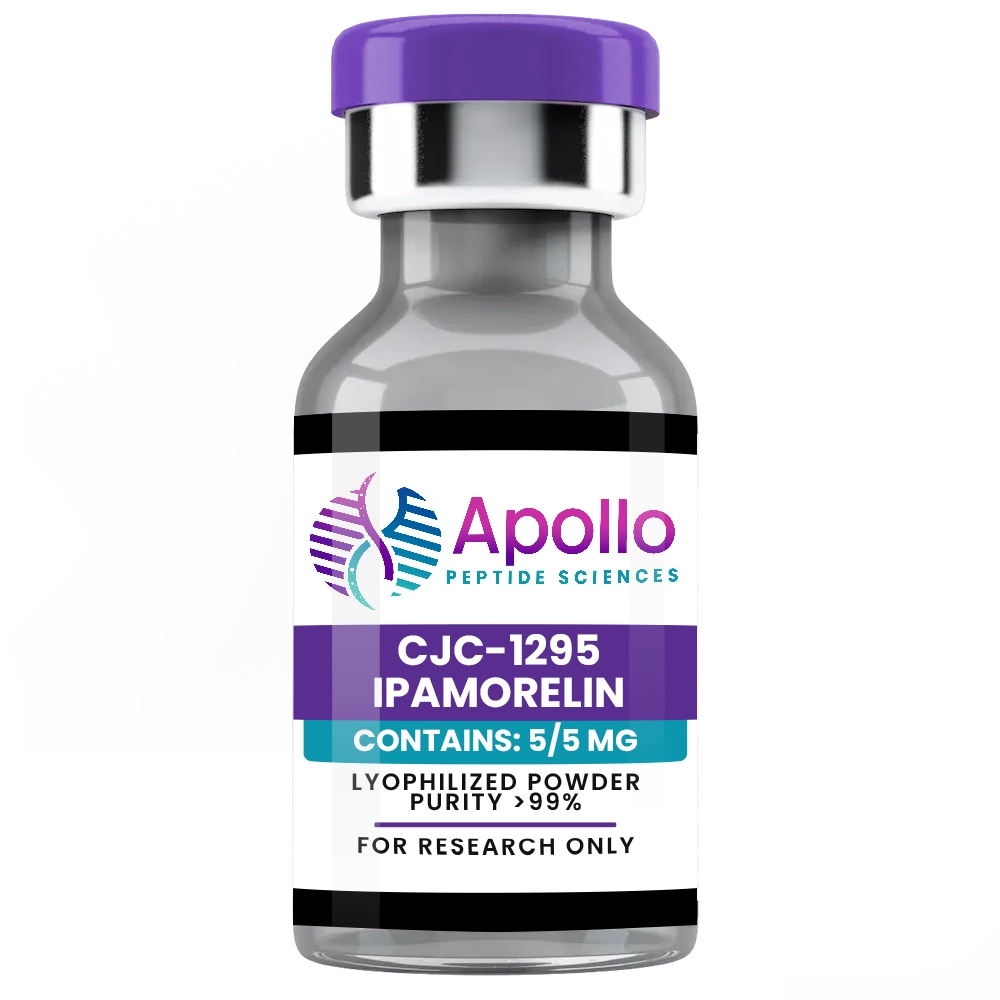
CJC1295/Ipamorelin (No DAC)
Combination of CJC-1295 (without DAC), a tetrasubstituted growth hormone-releasing hormone analog, and Ipamorelin, a synthetic pentapeptide. Both supplied as lyophilized peptide for laboratory research applications.
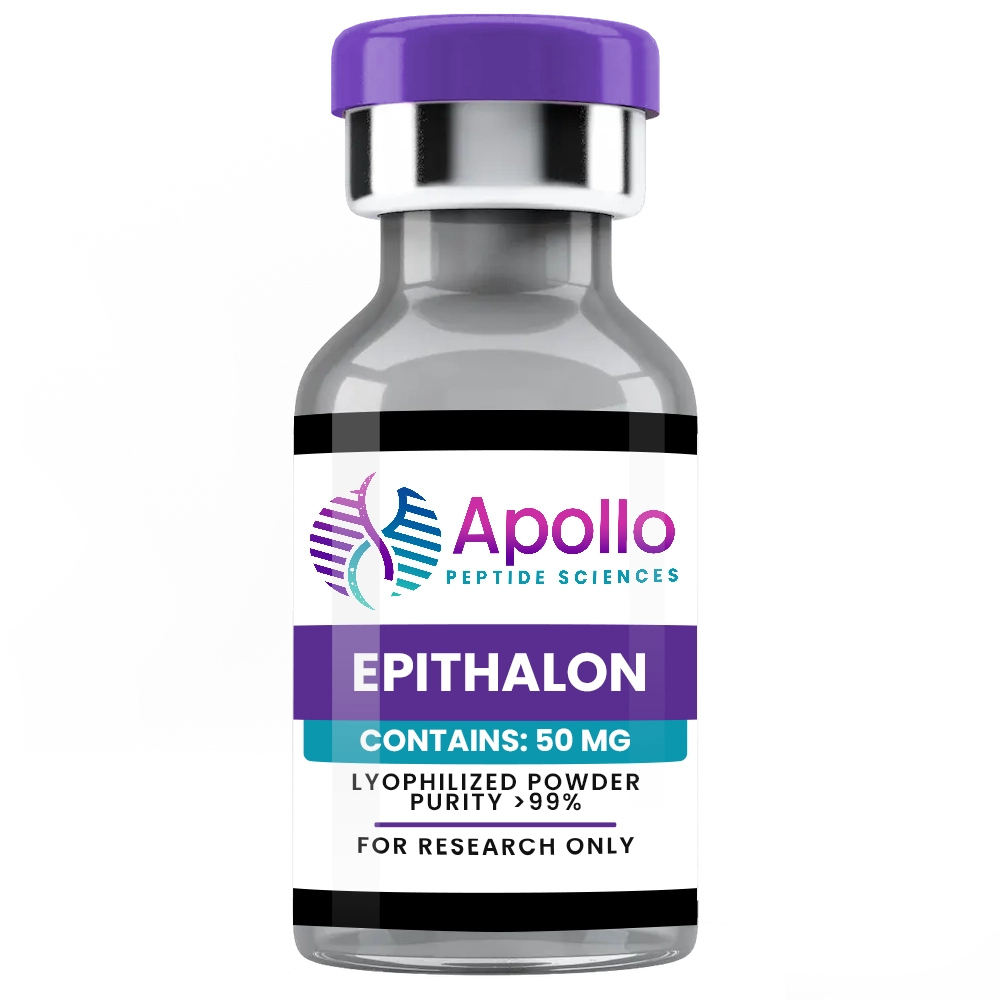
Epithalon 50mg
A synthetic tetrapeptide composed of alanine, glutamic acid, aspartic acid, and glycine. Supplied as lyophilized powder for laboratory research use.
Research Guides
Deep-dive guides for sleep & circadian peptides compounds
Related Research
Articles and breakdowns for sleep & circadian peptides
17 min read
Complete Guide to Peptide Stacking
Learn which research peptides are commonly studied together, the science behind peptide combinations, and evidence-based stacking protocols for laboratory use.
Read more16 min read
How Peptides Work: A Beginner's Guide
Everything you need to know about research peptides — what they are, how they work, types of peptides, and their role in modern scientific research.
Read more18 min read
Top Peptides for Muscle Growth and Recovery
Explore the most researched peptides for muscle growth, including growth hormone secretagogues, IGF-1 analogs, and recovery peptides used in sports science research.
Read moreLooking for Clavicular's Looksmaxxing Stack?
See which peptides Clavicular uses in his viral looksmaxxing transformation — Retatrutide, BPC-157, and more.
Frequently Asked Questions
How do growth hormone peptides relate to sleep?
Growth hormone is primarily secreted during deep slow-wave sleep. GHRH analogs and ghrelin mimetics that stimulate GH release interact with the same pathways that regulate sleep architecture.
What is Epithalon's connection to sleep?
Epithalon is based on a pineal gland peptide, and the pineal gland produces melatonin, the primary circadian rhythm hormone. Research has explored Epithalon's effects on pineal function and melatonin production.
Shop Sleep & Circadian Peptides
Research-grade sleep & circadian peptides from Clav Tides. Third-party tested, >98% purity guaranteed.