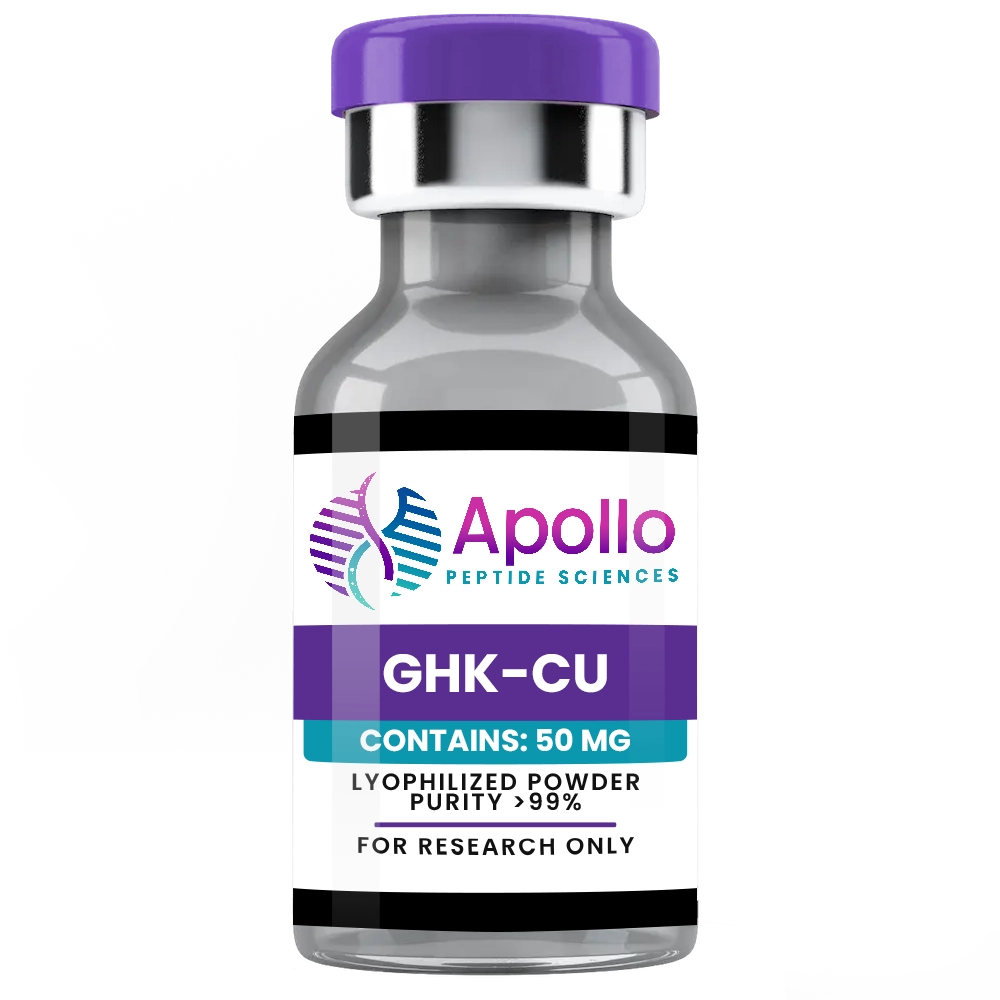
Research Specifications
- Sequence:
- Gly-His-Lys (with Cu²⁺ coordination)
- Full Name:
- Glycyl-L-Histidyl-L-Lysine:copper(2+)
- Molecular Weight:
- 340.38 Da (free tripeptide)
- CAS Number:
- 49557-75-7
- Form:
- Lyophilized powder
- Purity:
- ≥98% (HPLC verified)
- Storage:
- −20°C long-term / 4°C up to 4 weeks reconstituted
GHK-CU 50mg
The copper tripeptide. Activates over 4,000 human genes involved in collagen synthesis, wound healing, and anti-aging.
4,000+
Genes Modulated
Pickart & Margolina 2018
340 Da
Molecular Weight
Tripeptide complex
Declines with age
Natural Concentration
Plasma levels fall ~60% from 20s to 60s
Copper Delivery & Gene Expression Modulation
GHK-Cu (Glycyl-L-Histidyl-L-Lysine copper complex) is a naturally occurring copper-binding tripeptide found in human plasma, saliva, and urine. Its concentration declines significantly with age. GHK-Cu modulates the expression of over 4,000 human genes — approximately one-third of the human genome — promoting wound healing genes while downregulating inflammatory and cancer-promoting pathways. Its copper-binding capacity delivers Cu²⁺ to cuproenzymes including lysyl oxidase (collagen/elastin crosslinking) and superoxide dismutase (SOD1/SOD3).
Research Highlights
Collagen & Skin Matrix Research
GHK-Cu stimulates collagen types I, III, and IV synthesis by fibroblasts, activates metalloproteinases for old collagen breakdown, and upregulates TIMP-1/2 to prevent excessive matrix degradation. In vitro studies show increased dermal thickness and tensile strength.
Wound Healing
GHK-Cu accelerates wound healing in multiple animal models through angiogenesis promotion, keratinocyte migration, and anti-oxidant defense (via SOD activation). It has been studied in human clinical trials for wound and ulcer healing.
Anti-Aging Gene Expression
Microarray analysis shows GHK-Cu reverses the gene expression signatures of aged skin — upregulating repair, remodeling, and mitochondrial genes while downregulating inflammatory and oncogenic pathways. Pickart's foundational research identified 4,000+ gene targets.
Research FAQ
What is GHK-Cu researched for?
How does GHK-Cu compare to BPC-157 for looksmaxxing research?
Why do GHK-Cu levels decline with age?
Research Use Only. This product is intended for in-vitro laboratory research only. Not for human consumption, injection, or therapeutic use. Not medical advice. Always consult applicable regulations in your jurisdiction.
Price Comparison
| Supplier | Purity | Price | Shipping |
|---|---|---|---|
| Apollo (via ClavTides) | >98% HPLC | $50.00 | Free over $200 |
| Generic Research Suppliers | Varies (often <95%) | Similar–Higher | Varies |
| Pharmaceutical (Rx only) | Pharmaceutical grade | Not available for research | Rx required |
Related Products
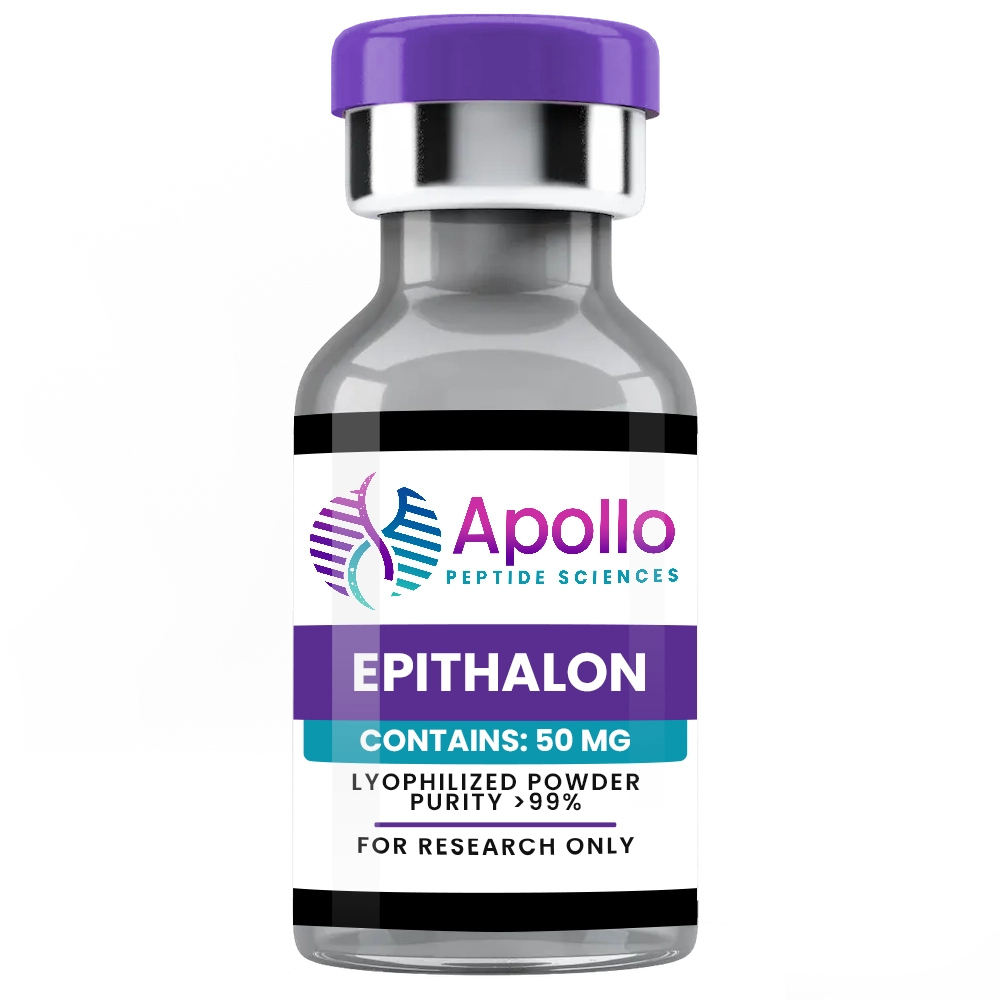
Epithalon 50mg
A synthetic tetrapeptide composed of alanine, glutamic acid, aspartic acid, and glycine. Supplied as lyophilized powder for laboratory research use.