Cognitive Enhancement Peptides
Peptides researched for neuroprotective effects, cognitive function, and brain health applications.
How It Works
Molecular mechanisms behind cognitive enhancement peptides research
NAD+/Sirtuin Axis
NAD+ is the cofactor for all 7 sirtuin enzymes (SIRT1–7) involved in DNA repair, histone deacetylation, and mitochondrial biogenesis. NAD+ levels decline ~50% by middle age. Restoration activates SIRT1 (stress response) and SIRT3 (mitochondrial optimization) — key longevity-associated pathways.
Gut-Brain Axis (BPC-157)
BPC-157 modulates the enteric nervous system — upregulating serotonin production in enterochromaffin cells and modulating dopamine pathways in the mesolimbic system. Preclinical studies show effects on anxiety-like behavior, depressive models, and cognitive performance via vagus nerve signaling.
Neuroprotection via VEGF
BPC-157's VEGFR2 upregulation drives angiogenesis in neural tissue — improving cerebrovascular perfusion. Studies show protective effects in ischemia models and acceleration of recovery from traumatic brain injury markers via growth factor expression and anti-inflammatory cytokine modulation.
Cognitive Enhancement Peptides: Research Overview
Neuropeptide research has identified several compounds with potential cognitive-enhancing properties. These peptides interact with neurotransmitter systems, neurotrophic factor pathways, and neuroprotective mechanisms.
Key Research Areas
BPC-157 and Neuroprotection BPC-157 has demonstrated neuroprotective properties in research models, including protection against dopaminergic neurotoxicity and promotion of nerve regeneration. Its interaction with the nitric oxide system and growth factor pathways may contribute to cognitive benefits observed in animal studies.
NAD+ and Brain Health NAD+ is critical for neuronal health through its role in mitochondrial function and sirtuin activation. Research has linked declining NAD+ levels to neurodegenerative processes, and NAD+ supplementation studies have shown improvements in cognitive function markers in animal models.
GHK-Cu Neuroprotective Effects Gene expression studies have shown that GHK-Cu modulates the expression of numerous genes involved in nervous system function, including nerve growth factor pathways.
Research Applications
- Neuroprotection studies
- Neurotransmitter system modulation
- Memory and learning models
- Neuroregeneration research
- Brain aging studies
Key Research
Published studies underpinning cognitive enhancement peptides
Yoshino J. et al.
NAD+ precursor supplementation restored NAD+ levels and improved SIRT1-mediated metabolic function in aged mice — establishing the NAD+/sirtuin axis as a target for age-related metabolic decline.
Sikiric P. et al.
BPC-157 demonstrated neuroprotective effects across multiple CNS models — reducing dopaminergic deficit in Parkinson's models, modulating serotonin/dopamine balance, and protecting against psychostimulant-induced damage.
Imai S. & Guarente L.
Comprehensive review establishing NAD+ as the central hub of aging biology — connecting DNA repair, mitochondrial function, circadian clock, and metabolic sensing through sirtuin enzymes.
Research Protocols
Suggested compound combinations for cognitive enhancement peptides research
NAD+ Longevity Protocol
NAD+ restores sirtuin cofactor availability for DNA repair and mitochondrial biogenesis. Epithalon adds pineal/epigenetic axis regulation. Combined for research into age-related cognitive decline biology.
Gut-Brain Axis Stack
BPC-157's enteric nervous system effects, dopamine/serotonin modulation, and VEGF-mediated neuroprotection. Research tool for gut-brain axis biology and neurotransmitter system studies.
Research-Grade Cognitive Enhancement Peptides
>98% purity, third-party tested. Free shipping on orders over $200.
Cognitive Enhancement Peptides — Available Products
Research-grade compounds from Clav Tides. >98% purity, CoA on request.
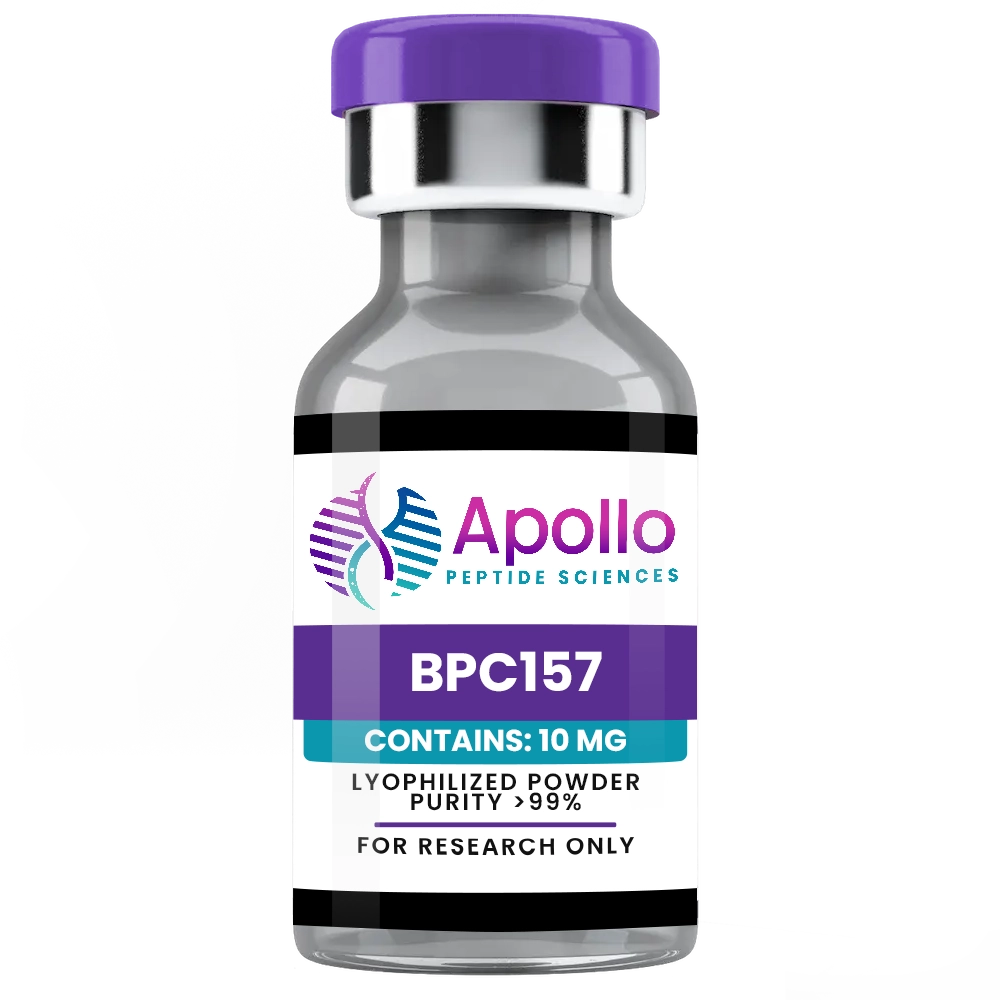
BPC157 10mg
A synthetic 15-amino acid peptide derived from Body Protection Compound. Supplied as lyophilized powder for research applications.
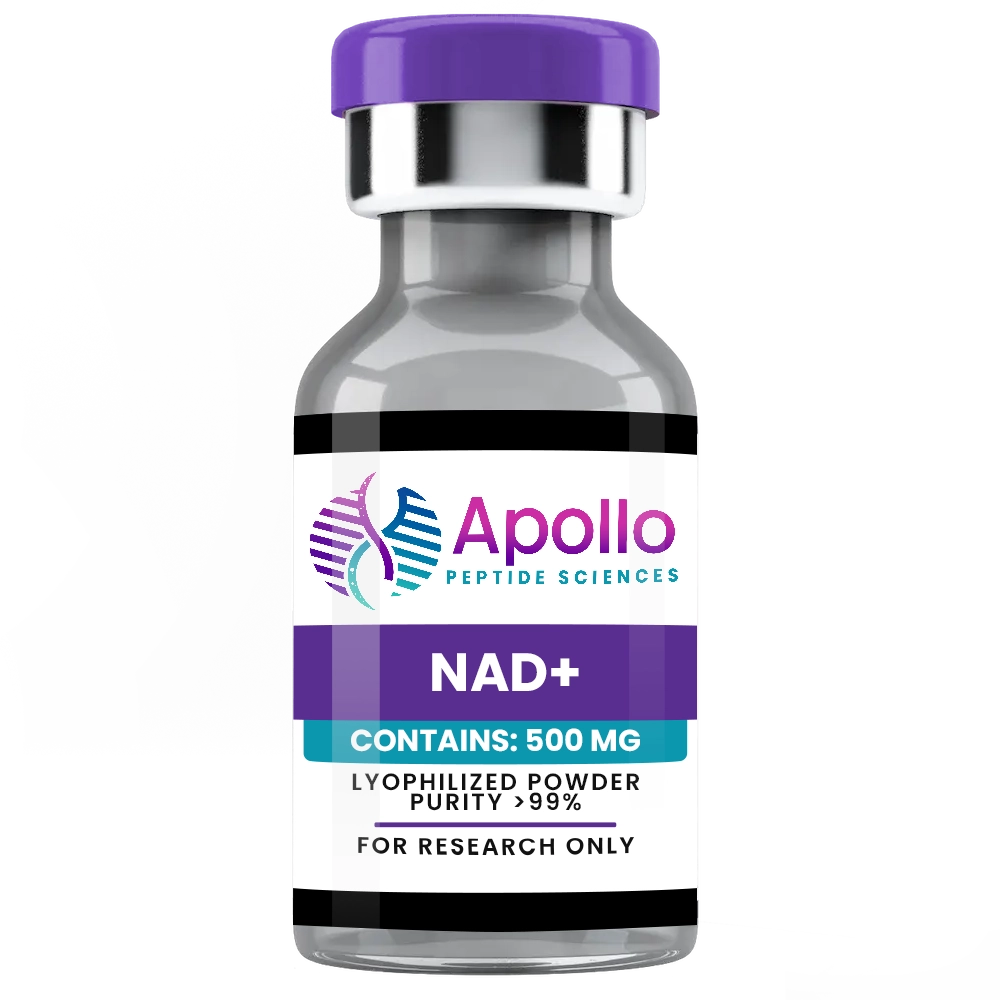
NAD+ 500mg
NAD+ is a coenzyme composed of two nucleotides joined through their phosphate groups. Supplied for laboratory research applications.
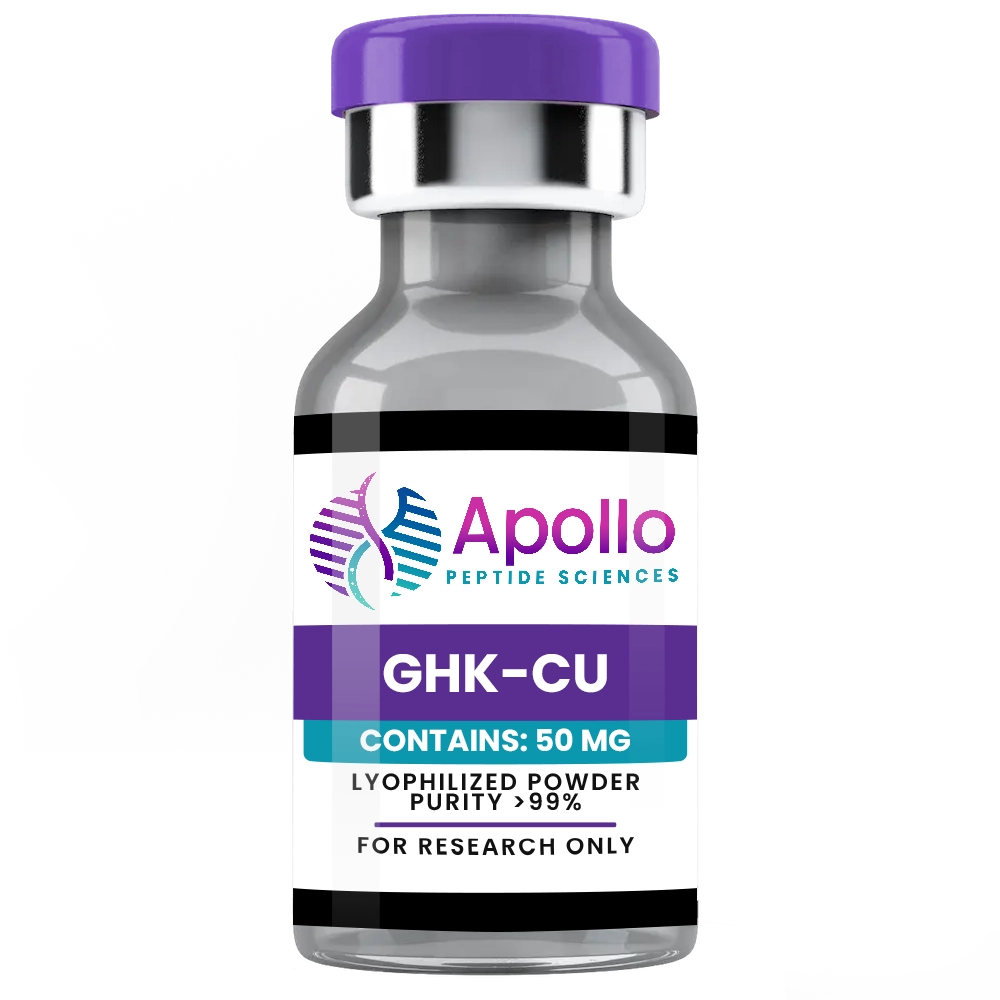
GHK-CU 50mg
A coordination complex featuring the tripeptide glycyl-L-histidyl-L-lysine bound to copper(II). Supplied for laboratory research applications.
Research Guides
Deep-dive guides for cognitive enhancement peptides compounds
Guide
What Are Peptides? Complete Beginner's Guide
Everything you need to know about research peptides — from basic chemistry to modern applications in scientific research.
Read guideGuide
How to Reconstitute Peptides: Step-by-Step Guide
A detailed guide on properly reconstituting lyophilized research peptides with bacteriostatic water for laboratory use.
Read guideGuide
Peptide Stacking Guide: Combining Research Peptides
Learn the science behind combining multiple research peptides for synergistic effects in laboratory research applications.
Read guideRelated Research
Articles and breakdowns for cognitive enhancement peptides
18 min read
BPC-157 vs TB-500: Complete Comparison
An in-depth comparison of two of the most popular healing peptides in research — BPC-157 (Body Protection Compound) and TB-500 (Thymosin Beta-4 Fragment).
Read more17 min read
Complete Guide to Peptide Stacking
Learn which research peptides are commonly studied together, the science behind peptide combinations, and evidence-based stacking protocols for laboratory use.
Read more16 min read
How Peptides Work: A Beginner's Guide
Everything you need to know about research peptides — what they are, how they work, types of peptides, and their role in modern scientific research.
Read moreLooking for Clavicular's Looksmaxxing Stack?
See which peptides Clavicular uses in his viral looksmaxxing transformation — Retatrutide, BPC-157, and more.
Frequently Asked Questions
What peptides are studied for cognitive effects?
Several peptides show neuroprotective properties in research, including BPC-157 (dopaminergic protection), NAD+ (sirtuin activation for neuronal health), and GHK-Cu (nerve growth factor modulation).
How does NAD+ relate to brain health?
NAD+ is essential for mitochondrial function in neurons and serves as a substrate for sirtuins involved in DNA repair. Declining NAD+ levels are associated with neurodegenerative processes in research models.
Shop Cognitive Enhancement Peptides
Research-grade cognitive enhancement peptides from Clav Tides. Third-party tested, >98% purity guaranteed.